


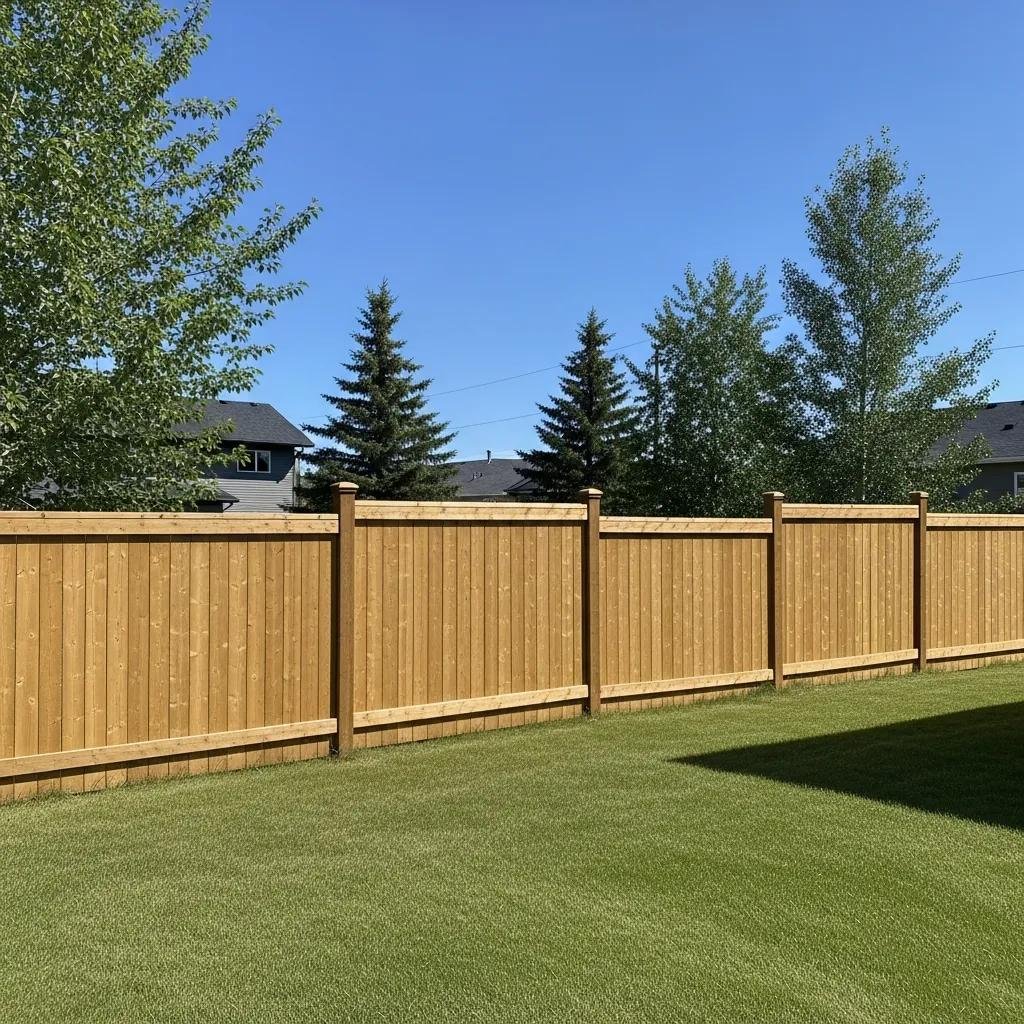

How to Choose Local Fence Builders in Alberta: A Practical Guide to Hiring Quality Fence Contractors
Finding the right fence builder in Alberta starts with knowing how our province’s climate, municipal rules, and contractor practices affect a fence’s lifespan and your budget. This guide walks homeowners through the essentials—materials, installation methods, permits, warranties, and clear communication—so you avoid unexpected repairs or regulatory setbacks. Prioritizing construction techniques suited to Alberta’s freeze‑thaw cycles and strong winds preserves property value and lowers long‑term upkeep. Read on to learn why local experience matters, which materials hold up best around Calgary, how a professional installation unfolds, what to ask contractors, and how to compare estimates and warranties. Practical checklists, side‑by‑side comparisons, and step‑by‑step process notes make it easy to evaluate local fence builders or a Calgary fence builder for your project.
Why Picking the Right Local Fence Builder in Alberta Matters
Local knowledge changes how a fence performs through freeze‑thaw cycles, wind exposure, and seasonal moisture—and it keeps you on the right side of municipal rules. A contractor who knows local soil and frost conditions will set post depth, choose footing types, and recommend materials that resist rot and leaning, increasing durability and cutting repair costs. Hiring someone unfamiliar with Calgary building codes or permit triggers can lead to rework or fines, so confirm a contractor’s local experience before work begins. Choosing a reputable local builder also makes warranty claims and post‑installation support simpler, which protects your investment over the fence’s life.
Because climate and bylaw compliance are so important, the next section explains how site conditions and frost‑depth practices affect longevity and code fulfillment.
How Local Expertise Affects Durability and Code Compliance
Alberta’s freeze‑thaw cycles and varied soils determine how deep footings must go and which materials resist decay. Contractors familiar with Calgary soil types typically set posts below the local frost line (typically 1.2 meters or 4 feet) and use concrete footings or gravel piers designed to minimize frost heave, keeping panels straight and structures sound. Local experience also guides material choices—some woods and composites respond differently to UV and moisture—so the right recommendation reduces future maintenance. Knowing permit rules and inspection timelines prevents delays and keeps installations within municipal standards, protecting homeowners from fines or forced changes. Handling these site specifics well also highlights the risks that inexperienced contractors introduce.
What Risks Come with Inexperienced Fence Contractors?
Hiring an inexperienced contractor can cause structural issues, hidden costs, and permit violations that lead to fines or forced removal. Typical problems include posts set too shallow, inadequate footings, incorrect hardware, and poor alignment—each increasing the chance of rot, leaning, or failure in strong winds. Missing permits or skipped inspections can make homeowners responsible for municipal penalties or rebuilding noncompliant work. Vague warranties or no liability insurance shift risk to you if accidents or workmanship problems occur, so checking coverage and clear contract terms helps reduce exposure. These common failure modes point directly to the checklist of qualities to look for in a trusted fence builder.
Key Qualities to Look For in Calgary and Alberta Fence Builders
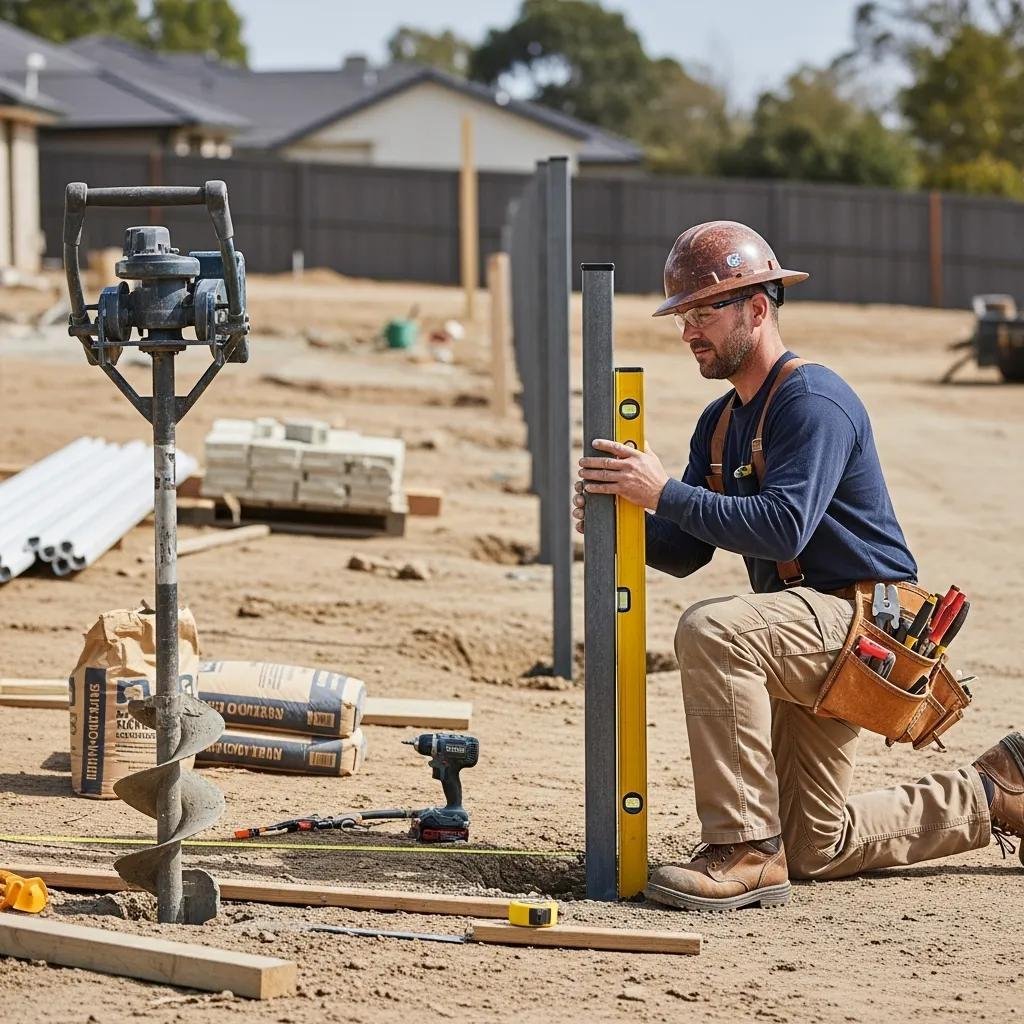
A reliable fence builder stocks a solid portfolio, clear licensing and insurance, transparent written estimates, and dependable warranties—each one reducing homeowner risk and supporting a smooth project. Seek contractors who provide itemized proposals that name materials and hardware brands, outline payment schedules, and explain change‑order procedures. Confirm liability insurance and workplace coverage so you’re protected, and expect a workmanship warranty that shows the contractor stands behind their installation. Reviews, references, and nearby project examples prove a track record and help you verify experience with properties and materials like yours. Use the checklist below when vetting fence contractors in Calgary.
Verifying these administrative and performance details lowers the chance of disputes or rework and helps the project run more smoothly.
- Key qualities to verify before hiring a fence builder:
Documented portfolio and references: Confirm the contractor has completed similar local projects and ask to see examples.
Proof of insurance and licensing: Request certificates and policy details to confirm homeowner protection.
Clear, itemized written estimate: Make sure materials, labour, exclusions, and payment terms are listed.
Workmanship warranty and post-installation support: Check what’s covered, for how long, and how claims are handled.
These checklist items give you a simple framework to compare bids and spot red flags as you dig into experience and credentials.
How Much Does Experience and a Proven Track Record Matter?
Proven experience helps predict a contractor’s ability to handle site challenges and deliver consistent craftsmanship, especially for fences that must endure Alberta weather. When reviewing portfolios, prioritize jobs with similar materials, slopes, and wind exposure—those parallels show relevant experience. Ask for references and, when possible, visit recent job sites to inspect build quality, hardware choice, and post alignment; in‑person checks often reveal details that photos miss. Reasonable expectations include several local projects and willing references; a lack of verifiable examples is a real warning sign. Evaluating experience this way naturally leads to checking insurance and warranty coverage.
Why Verify Licensing, Insurance, and Warranties?
Licensing, insurance, and warranties shift or limit risk and keep construction legal. Liability insurance covers property damage and third‑party injuries, while workplace coverage (for example, Workers’ Compensation Board (WCB) in Alberta) protects against worker claims—both shield you from unexpected liabilities. A written warranty should clearly state whether materials, labour, or both are covered, and explain repair procedures and durations so you know what to expect after installation. Simple verification steps are asking for insurance certificates, written warranty terms, and business registration or license references. If a contractor dodges these requests, consider it a red flag before you sign anything. Once these protections are confirmed, turn attention to material choices and how warranties align with durability.
Which Fence Materials Work Best in Alberta’s Climate?
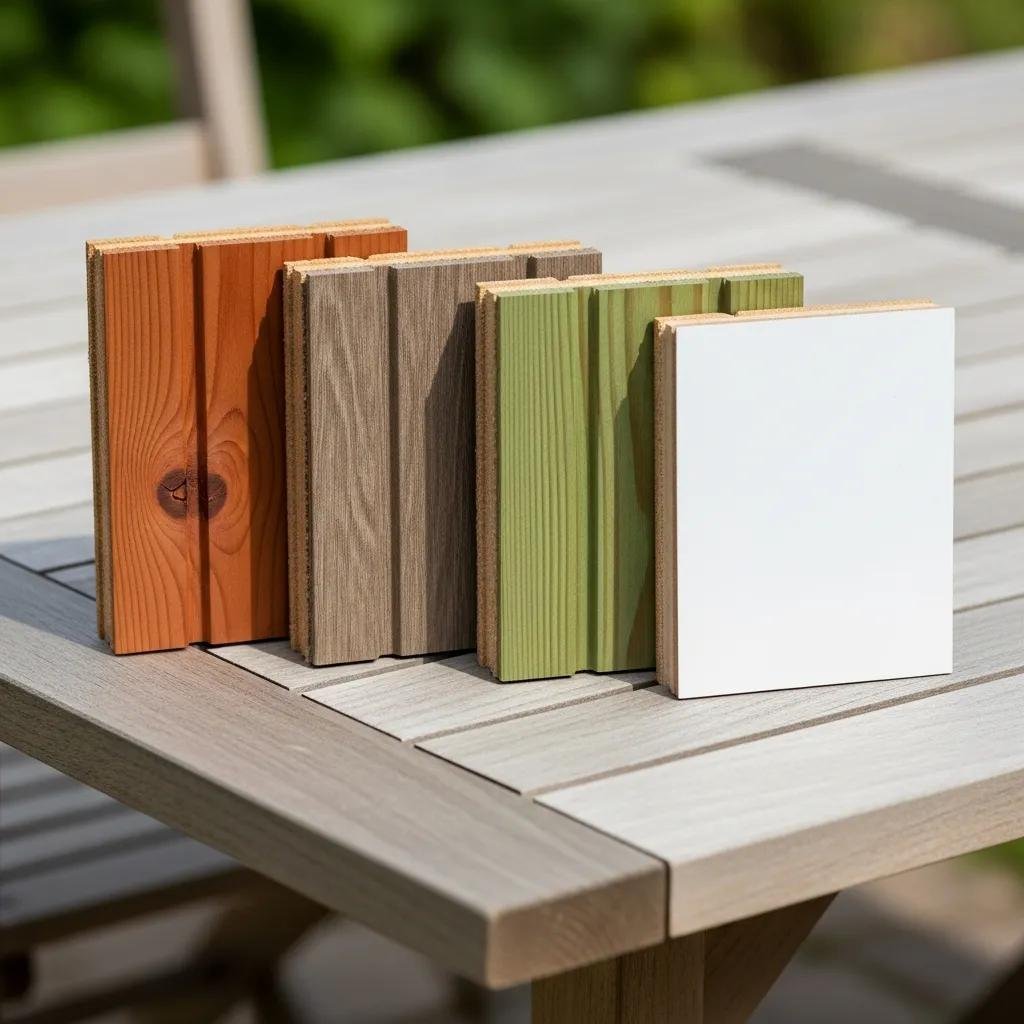
Choosing materials for Alberta means balancing resistance to freeze‑thaw cycles, UV exposure, wind, maintenance needs, and appearance. Cedar, composite, pressure‑treated wood, and vinyl each have trade‑offs in cost, upkeep, and lifespan under Calgary conditions. Picking the right material reduces long‑term costs and keeps your curb appeal intact. The table below compares common options across durability, maintenance, cost, and suitability for Calgary so you can make an informed choice.
This comparison highlights which materials match different homeowner priorities in Calgary; the next section breaks down trade‑offs among cedar, composite, and pressure‑treated wood.
Benefits and Drawbacks: Cedar, Composite, and Pressure‑Treated Wood
Cedar delivers a natural appearance and decent rot resistance but needs regular staining or sealing to protect it in Alberta’s weather. Composite offers low maintenance and strong resistance to moisture and UV, though it comes with a higher upfront cost and fewer natural‑wood aesthetics. Pressure‑treated wood is the most budget‑friendly option and its treatment delays rot, but it generally needs sealing and can show wear sooner in high‑moisture or high‑sun areas. Lifecycle costs depend on how often you maintain the fence and the exposure it faces—choose based on whether you want the look of wood, lower upkeep, or a lower initial investment. The following subsection explains how those material choices affect maintenance and longevity.
How Material Choices Affect Maintenance and Lifespan
Your material choice determines routine care and likely failure modes, and that drives total ownership cost over time. Expect cedar to need staining or sealing every two to four years and occasional board replacement for rot or insect damage; composite usually requires only periodic cleaning and can last substantially longer without structural decay. Pressure‑treated wood benefits from sealing to slow moisture penetration and may need earlier replacement in very wet areas, while vinyl is low‑maintenance but requires proper reinforcement to resist wind uplift. Think about realistic service life and maintenance commitments to budget properly and pick a material that matches your long‑term expectations. That leads into how professional installation preserves the chosen material’s performance.
What to Expect from a Professional Fence Installation in Calgary
A professional Calgary fence installation follows a clear sequence: consultation, design and material selection, permit handling, systematic installation, inspection, and a final walkthrough. It starts with a site visit to confirm property lines, slopes, and soil conditions and is followed by an itemized estimate and contract that specify scope, materials, timelines, and warranty details. Where permits are required, experienced contractors usually manage applications and inspections to keep the schedule on track. On site, crews mark lines, excavate and set posts below frost depth, install panels or pickets, fit hardware, and clean up—finishing with an inspection and homeowner walkthrough to confirm the job meets expectations. The table below summarizes responsibilities and why each step matters.
This workflow shows where homeowner decisions and contractor responsibilities intersect; the next subsection outlines the typical chronology from first visit to completion.
From Consultation to Completion: Typical Steps
The usual timeline includes a site assessment, a written estimate and contract, permit acquisition if needed, scheduled installation with proper post setting and panel work, and a final walkthrough with warranty documentation. To speed an accurate estimate, provide property photos and boundary markers at consultation. The contractor should deliver an itemized proposal listing materials, hardware, labour, exclusions, and estimated start and finish dates. Permit lead times vary by municipality, so contractors who manage applications reduce homeowner admin and scheduling risk. After installation, a reliable contractor ensures cleanup, completes a final inspection, and hands over warranty paperwork and maintenance notes so you have the documentation you need for future care.
How Permits and Calgary Building Codes Are Typically Managed
Many fence projects require permits depending on height, location, and proximity to rights‑of‑way, so managing permits correctly avoids orders to alter or remove noncompliant work. Contractors experienced with Calgary building codes know which projects need permits, common setback and height rules, and the documentation inspectors want—and they can often submit applications and schedule inspections for you. Permit timelines depend on municipal workload, so build lead time into project schedules. Ask to see permit applications or confirmation that the contractor will handle them—verifying permit handling is a key part of vetting any contractor.
Example best‑practice flow:
- Site visit and measurement: Contractor verifies boundaries and site constraints.
- Written estimate and contract: Proposal lists materials, timeline, and warranty.
- Permit application and scheduling: Contractor applies and arranges inspections.
Questions to Ask When Hiring a Fence Contractor in Alberta
Asking focused questions reveals a contractor’s competence, transparency, and fit for your job. Prioritize licensing and insurance, relevant portfolio work, warranty coverage, the level of detail in written estimates, permit handling, and communication expectations. Request line‑by‑line estimates showing materials and labour, and ask how change orders are handled so you understand cost control. The table below links key questions to solid answers and red flags to watch for when evaluating fence contractors in Calgary.
With those questions covered, the next section lists simple checklist items that ensure transparency and quality.
Checklist Items That Ensure Transparency and Quality
Focus on written evidence and verifiable policies: an itemized estimate, proof of insurance, a written warranty, and references for recent local projects are essential to avoid surprises. Ask for a line‑item quote that separates materials, labour, and permit fees, and request insurance certificates and clear warranty language that defines coverage and claims procedures. Contact references and, when possible, inspect completed work to check post alignment, hardware quality, and finish—consistent quality across past projects signals dependable craftsmanship. Requiring these documents filters out contractors who rely on verbal promises and sets the stage for evaluating communication and estimate detail.
How to Judge Communication and Written Estimates
Good communication and a thorough estimate are strong indicators of a reliable contractor. A quality estimate spells out scope, exclusions, start and finish windows, payment schedule, and change‑order terms. Note how promptly the contractor returns calls or messages and whether they update you on permit status and scheduling changes—consistent communication reduces misunderstandings on site. Watch for red flags such as verbal‑only quotes, vague timelines, or reluctance to put material and labour details in writing; those issues often lead to disputes and extra costs. Clear communication and a robust written estimate create accountability and help you choose a local contractor who will stand behind their work.
How Serenity Construction Ltd Can Help You Build a Lasting Fence in Calgary
Serenity Construction Ltd is a local Calgary team offering full-service fence construction, material guidance, gate installation, post‑hole digging, fence removal, and repairs—making us a single point of contact for residential fence projects. We emphasize materials and methods suited to Alberta’s climate, manage permit paperwork and Calgary building code requirements, and offer free estimates and consultations so homeowners can compare options without commitment. Serenity Construction Ltd also provides warranty coverage and carries insurance protection, handling the project from design through post‑installation support. If you want a contractor who looks after paperwork and delivers a single warranty handoff, requesting a free estimate through our website or business profile is a practical next step to compare bids.
Why Homeowners Trust Serenity Construction Ltd
Serenity Construction Ltd highlights the qualities homeowners should look for: end‑to‑end services (design, material advice, installation, gate fitting, and repairs), local climate expertise, and clear insurance and warranty assurances. Our permit management reduces administrative burden and supports on‑time completion, and free estimates let you compare materials and timelines before deciding. As with any contractor, ask for written estimates, proof of insurance, and references for nearby projects to confirm quality—Serenity Construction Ltd’s full‑service approach and permit handling make it a useful example when you evaluate candidates.
How to Request a Free Estimate and Consultation
Preparing for a free estimate helps the contractor deliver an accurate quote. Before you contact a contractor, gather photos of the property, property line references, preferred fence material and height, and any access constraints. Use the online contact form or business profile to request a consultation and attach photos or notes about existing fencing or gate needs so the estimator can prepare an itemized quote. During the consultation, ask for a written estimate that details materials, labour, permit fees, and warranty terms, and clarify any exclusions or likely change‑order costs. Being ready with this information ensures the free estimate is useful and comparable across multiple fence contractors.
Frequently Asked Questions
What should I consider when choosing fence materials for my property in Alberta?
Consider durability against freeze‑thaw cycles, UV resistance, maintenance needs, and the look you want. Cedar, composite, pressure‑treated wood, and vinyl each have pros and cons: cedar gives a natural look but needs regular care; composite is low‑maintenance but costs more up front. Balance longevity against initial investment and choose the material that fits your priorities and site exposure.
How can I ensure my fence installation complies with local building codes?
Hire a contractor familiar with Calgary’s rules who will manage permits and inspections. Ask about their experience with local codes and how they handle permit applications. Reviewing height, setback, and material regulations for your area in advance helps you avoid fines or costly modifications later.
What are the typical costs associated with hiring a fence builder in Alberta?
Costs vary by material, fence height, and installation complexity. On average, expect roughly $15 to $50 per linear foot depending on material and labour. Additional fees can include permits, site prep, and repairs to existing structures. Getting detailed, itemized estimates from several contractors helps you compare bids and stay within budget.
How long does the fence installation process typically take?
Installation time depends on project size, materials, and weather. A straightforward job usually takes one to seven days, covering site prep, permits, and installation. More complex projects require extra planning and time. Discuss the timeline during the consultation to set realistic expectations.
What maintenance should I expect for different types of fences?
Maintenance varies by material. Cedar generally needs staining or sealing every 2–4 years; composite typically requires only periodic cleaning. Pressure‑treated wood benefits from sealing and may need replacement sooner in very wet areas. Vinyl is low‑maintenance but should be checked for wind uplift. Understanding these needs helps you budget for long‑term care.
What are the benefits of hiring a local fence builder versus a national company?
Local builders offer personalized service, local code knowledge, and experience with regional climate challenges. They often respond faster and provide tailored solutions that stand up to Alberta weather. Supporting local businesses also strengthens community ties and can improve post‑installation support.
How can I verify the credentials of a fence contractor?
Ask for proof of licensing, liability insurance, and WCB (or equivalent) coverage, plus references from recent clients. Review a portfolio of past projects to assess craftsmanship. Contact references to confirm reliability and quality. Taking these steps ensures you hire a qualified professional for your fence project.
Conclusion
Choosing the right local fence builder in Alberta protects your investment by pairing the right materials and installation practices with compliance to local rules. Prioritize experienced, transparent contractors to avoid costly mistakes and enjoy a durable fence that improves your property. Ready to move forward? Request a free estimate from a trusted local provider and take the next step—your ideal fence starts with a single consultation.
Comments