



10 Signs of a Trustworthy Deck Builder in Calgary — How to Choose Quality Deck Contractors
Picking the right deck builder in Calgary makes the difference between a deck that only looks good for a season and one that performs for years. With many contractors to choose from, the decision can feel overwhelming. This guide walks you through 10 practical signs of a reliable builder — from licensing and insurance to clear estimates, local experience, and warranties — so you can spot a professional and avoid common mistakes that cost time and money.
What Licensing and Insurance Should a Reputable Calgary Deck Builder Have?
A trustworthy deck contractor in Calgary is a registered business and carries current insurance to protect you, your property, and their crew. Alberta doesn’t use a single provincial licence for deck builders, but contractors must be registered and follow municipal requirements. Proper insurance helps cover on-site accidents or accidental damage.
How to Verify Deck Builder Credentials and Insurance in Calgary
- Check Business Registration: Confirm the company is listed with the Alberta Corporate Registry.
- Request Proof of Insurance: Ask for up-to-date liability insurance and workers’ compensation documents.
- Contact References: Speak with recent clients to confirm reliability, timelines, and the quality of finished work.
Why Proper Licensing Protects Homeowners and Ensures Code Compliance
When a builder is properly registered and insured, they’re more likely to understand and follow local building codes — which lowers safety and legal risks. If issues arise, a contractor with appropriate coverage gives you clearer options for recourse and more confidence while the project is underway.
Serenity Construction Ltd. prioritizes registration and insurance so clients stay protected from planning through project completion.
How Can You Assess the Reputation and Reviews of Calgary Deck Builders?

Reputation separates dependable builders from risky choices. Read customer reviews and testimonials to learn how a contractor communicates, resolves problems, and finishes projects. Look for patterns — repeated praise or recurring complaints tell you more than any single five-star or one-star review.
Which Online Platforms Provide Reliable Deck Builder Testimonials?
- Google Reviews: Widely used and easy to check for recent customer experiences.
- Yelp: Helpful for local, detailed accounts of contractor performance.
- Better Business Bureau (BBB): Useful for complaint histories and how issues were handled.
What Are Red Flags in Customer Reviews and How to Spot Them?
- Inconsistent Feedback: Big swings in customer experience can signal uneven workmanship.
- Lack of Detail: Very short or generic reviews usually don’t provide useful insight.
- Frequent Communication Complaints: Repeated notes about missed calls, surprise charges, or schedule problems point to process issues.
Serenity Construction Ltd. maintains client reviews that emphasize clear communication, dependable timelines, and quality finishes.
What Experience and Portfolio Should a Quality Deck Builder Demonstrate?
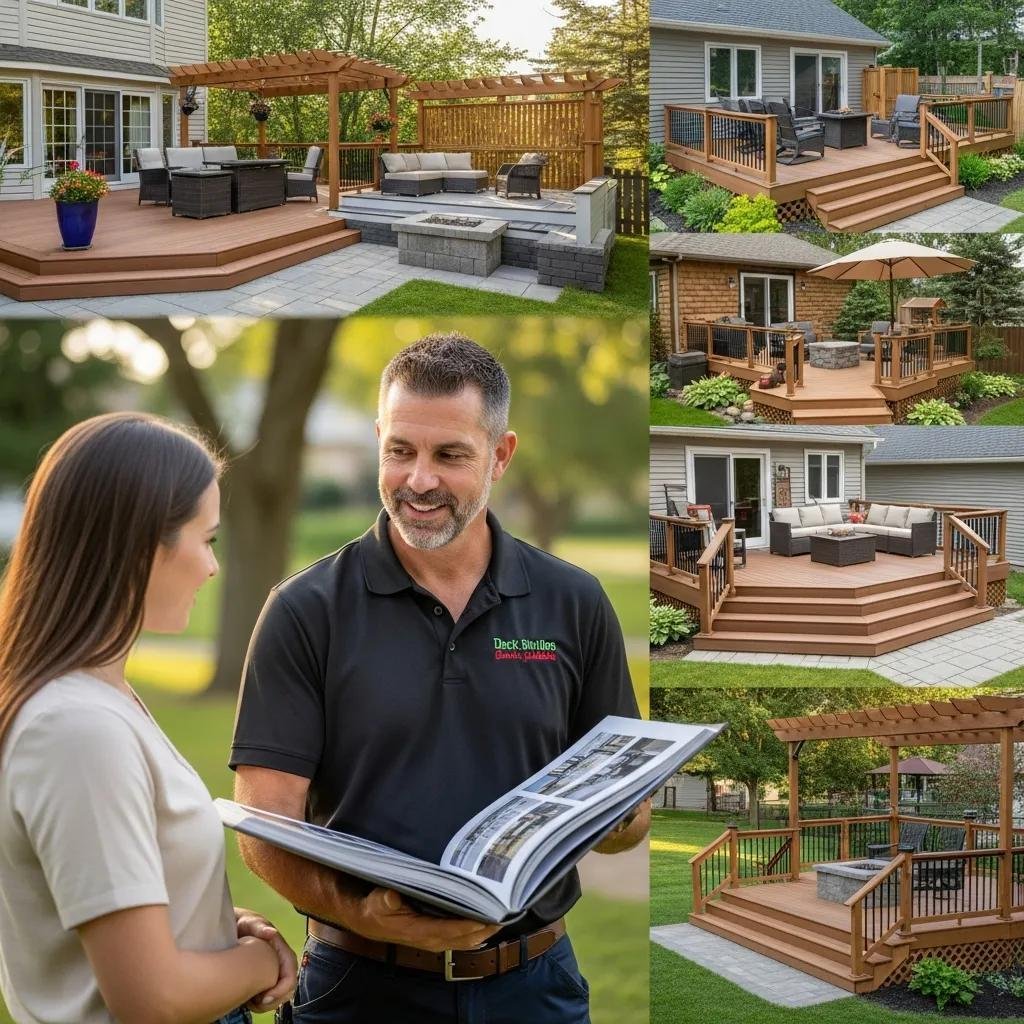
A reputable deck builder shows consistent workmanship, clear communication, and a portfolio of completed projects that highlight attention to detail. Look for before-and-after photos, notes on materials, and client comments about the finished result and site cleanup.
Why Local Calgary Project Experience Matters for Deck Construction
Local experience matters. Calgary’s climate, common foundation types, and municipal rules influence how a deck should be designed and built. Builders who work regularly in the city know which materials hold up, how to protect against seasonal stresses, and which permits are required — all of which contribute to longer-lasting results.
How to Evaluate a Deck Builder’s Portfolio and Completed Projects
- Client Testimonials: Look for specific comments about workmanship, timeliness, and satisfaction.
- Communication: Note whether the builder explains options and keeps clients informed.
- Quality of Materials: Check the brands and grades of lumber, composite decking, and fasteners they use.
- Site Cleanliness: A tidy worksite signals professionalism and respect for your property.
- Timeliness: Confirm whether projects finished on schedule and whether timelines were realistic.
- Diversity of Projects: A range of styles and sizes shows adaptability and broader skill.
- Recommendations: Repeat business or referrals indicate trust and consistent results.
Weigh these factors together to decide whether a builder reliably delivers the result you expect.
How Important Are Transparent Estimates and Contracts When Vetting Deck Companies?
Transparent estimates and a clear contract are essential. A detailed estimate reduces surprises, and a written contract protects both parties. Reputable builders itemize costs, list materials and timelines, and explain how change orders are handled before work begins.
Research supports using clear evaluation criteria to select a dependable construction partner.
Assessing Contractor Reliability for Quality Construction Selection
Contract-bidding systems can suffer from inconsistent evaluation criteria. This study outlines a method to measure a construction firm's organizational and technological reliability and recommends using that measure when selecting contractors. Applying this kind of reliability assessment helps clients choose a contractor that fits their project needs.
Assessment of organizational and technological reliability of a construction organization during contract bidding, 2021
What Should a Comprehensive Deck Building Estimate Include?
- Breakdown of Costs: Clear pricing for materials, labour, permits and any extras.
- Timeline for Completion: Key milestones and an expected completion date.
- Materials to Be Used: Specific brands, grades, or product types when possible.
How to Avoid Hidden Fees and Understand Contract Terms
- Ask Questions: Clarify anything you don’t understand about costs or scope before you sign.
- Review the Contract Thoroughly: Make sure verbal promises are written into the agreement.
- Look for Additional Charges: Understand how change orders, material price changes, or unforeseen site conditions will be handled.
What Are Calgary’s Building Code and Permit Requirements for Deck Construction?
Calgary enforces building codes and permit rules to keep decks safe and structurally sound. Following those rules protects your home and ensures the structure meets engineering and safety standards.
Academic research also shows that homeowner warranties and strong code enforcement encourage better workmanship and accountability.
Homeowner Warranties & Building Codes for Builder Quality
A theoretical model examines the risk that builders may not exert observable effort and shows how homeowner warranties and local building-code enforcement can influence builder behaviour. Strong warranties and effective code oversight both contribute to better workmanship.
Homeowner warranties and building codes, SE Ong, 2000
How Does a Reputable Builder Manage Permits and Code Compliance?
- Filing Necessary Applications: They secure required permits before work begins.
- Adhering to Local Codes: They design and build to meet Calgary’s standards.
- Conducting Inspections: They arrange municipal inspections at the right stages.
What Are the Consequences of Non-Compliance with Calgary Deck Regulations?
- Legal Repercussions: Non-compliant work can trigger fines or enforcement actions.
- Financial Penalties: Skipping permits may require costly corrections or fines.
- Impact on Property Value: An unapproved or unsafe structure can reduce resale value and complicate future sales.
What Warranty and Aftercare Should You Expect from a Trusted Deck Builder?
A reliable deck builder offers clear warranties and aftercare so your investment stays protected. Warranties show the builder stands behind both materials and workmanship, and aftercare keeps the deck performing well over time.
What Types of Material and Workmanship Warranties Are Standard in Calgary?
- Material Warranties: Coverage for defects in products used on your deck.
- Workmanship Warranties: Protection against construction defects for a set period.
- Duration of Warranties: Lengths vary — commonly from one to ten years depending on the product and the contractor.
How Does Warranty Protect Your Deck Investment Over Time?
- Providing Coverage Against Defects: Repairs or replacements for covered issues without unexpected out-of-pocket costs.
- Offering Peace of Mind: A warranty shows the builder’s commitment to quality and follow-up support.
- Financial Benefits: Warranties can reduce long-term maintenance and surprise repair expenses.
The table above summarizes common warranty types, what they cover, and typical timeframes so you know what to expect from your builder.
To pick a reputable deck builder in Calgary, verify registration and insurance, read reviews, review portfolios, demand transparent estimates, confirm code compliance, and understand warranty coverage. Doing these checks increases the likelihood of a deck that’s built right and built to last.
Frequently Asked Questions
What should I consider when choosing materials for my deck?
Think about durability, maintenance, and how the deck should look. Pressure-treated wood offers a classic appearance but needs regular sealing and staining. Composite decking is low-maintenance and resists rot and fading, while PVC is fully synthetic and highly durable. Factor in your budget and how materials perform in Calgary’s climate to choose the best option.
How can I find reliable references for a deck builder?
Ask the contractor for recent client contacts and follow up with them. Ask about communication, timelines, and the finished work. Also check online reviews on Google and Yelp to get a broader picture. A reputable builder will gladly share references and should have consistent positive feedback.
What are the typical payment structures for deck construction projects?
Common payment structures include a deposit up front, progress payments tied to milestones, and a final payment on completion. Agree on the schedule before work starts and have the payment terms written into the contract to avoid misunderstandings.
What should I do if my deck builder is unresponsive during the project?
Try contacting them through multiple channels — phone, email, or in person — and document your attempts. Review the contract for communication or dispute clauses. If there’s still no response, contact local consumer protection groups or seek legal advice based on the issue’s severity.
How can I ensure my deck is environmentally friendly?
Choose sustainable materials like FSC-certified wood or recycled composite decking and low-VOC stains and sealants. Design proper drainage and landscaping to manage runoff, and ask your builder about eco-friendly practices they use during construction to reduce waste and impact.
What are the signs of poor workmanship in deck construction?
Watch for uneven boards, visible gaps, misaligned railings, and insufficient support. Water pooling or poor drainage can also indicate installation problems. If you spot any of these, address them with the builder right away. Regular inspections during and after construction help catch issues early.
What should I know about seasonal maintenance for my deck?
Seasonal care extends a deck’s life. In spring, check for winter damage, clean the surface, and reseal if needed. Summer is for regular cleaning to prevent mildew. In fall, clear leaves and debris, and in winter, shovel snow carefully and use ice melt that won’t harm the deck. Follow manufacturer guidance for best results.
What are the benefits of hiring a local deck builder in Calgary?
Hiring a local Calgary builder brings practical advantages: they know local codes, understand how materials react to our weather, and are familiar with common foundations and site conditions. Local suppliers and established reputations also help speed up sourcing and give you more accountability.
How can I prepare my property for deck construction?
Clear the build area of furniture, plants, and debris and make a path for crews and materials. Mark underground utilities and discuss landscaping or access concerns with your builder ahead of time. Let your neighbours know the timeline to keep the process smooth.
What is the typical timeline for deck construction in Calgary?
Timelines depend on size and complexity. A simple deck might take a few days to a couple of weeks; larger or multi-level projects can take several weeks. Weather and material availability also affect timing. Ask your builder for a realistic schedule and milestone dates during the estimate stage.
What maintenance should I expect for my new deck?
Maintenance varies by material. Wood decks usually need cleaning and resealing every 1–3 years to protect against moisture and UV. Composite decks need less upkeep but should be cleaned to prevent mold and stains. Follow manufacturer instructions to maximize lifespan.
How can I ensure my deck is safe for use?
Confirm the deck was built to local codes and had required inspections. Periodically inspect for loose boards, corroded fasteners, or structural movement and fix problems promptly. Make sure railings meet height and strength requirements. For older decks, consider a professional inspection every few years.
What should I do if I want to make changes to my deck design after construction has started?
Tell your builder as soon as possible. Discuss how changes affect cost and schedule and get any change orders documented in writing. Some adjustments may require additional permits or inspections, so coordinate with your builder to stay compliant.
What should I look for in a deck builder's portfolio?
Look for craftsmanship, variety, and detail. Clear photos of finished projects, a range of styles, and examples similar to your vision are most useful. Client comments about communication, timelines, and cleanup reveal a lot about the builder’s process.
How can I ensure my deck builder communicates effectively throughout the project?
Set communication expectations up front: agree how often you’ll get updates, who your point of contact is, and how change orders will be handled. Responsiveness during the estimate stage is a good indicator of steady communication on the job.
What are the common materials used in deck construction, and how do they affect durability?
Common choices include pressure-treated wood, composite, and PVC. Wood offers a natural look but needs regular maintenance. Composite blends wood fibers and plastic for lower upkeep and strong durability. PVC is fully synthetic and resists moisture and fading. Choose based on budget, maintenance tolerance, and local climate performance.
How can I verify the insurance coverage of a deck builder?
Ask for copies of liability insurance and workers’ compensation certificates. A reputable builder will provide them without hesitation. For extra assurance, call the insurer to confirm coverage dates and policy limits.
What steps should I take if I encounter issues after the deck is built?
Contact your builder and refer to the warranty or contract. Document the problem with photos and notes. If the builder doesn’t resolve it, escalate through local consumer protection channels or seek legal advice depending on the issue.
Are there specific building codes I should be aware of for deck construction in Calgary?
Yes. Calgary’s codes cover structural elements, railings, load-bearing requirements, and other safety features. Check the City of Calgary website or ask your builder to confirm permits and code requirements. A reliable contractor will guide you through the permit process.
Conclusion
Finding a reputable deck builder in Calgary protects your home and your investment. Prioritise registration and insurance, solid references, a clear portfolio, transparent estimates, code compliance, and reliable warranties. When you check these boxes, you’re much more likely to get a deck that’s built right and built to last. Ready to start? Reach out to local professionals to discuss your project and next steps.
Conclusion
Choosing a reputable deck builder in Calgary helps ensure your project is done well and your investment is protected. Focusing on registration, insurance, clear communication, and warranty coverage sets you up for a deck that’s both beautiful and durable. Take the next step toward your ideal outdoor space by contacting trusted local contractors who can bring your plans to life.
Conclusion
Selecting a reputable deck builder in Calgary is key to getting a high-quality, long-lasting outdoor space. Prioritizing registration, insurance, transparent communication, and clear warranties makes it easier to choose a contractor who meets your needs. Careful vetting not only extends your deck’s lifespan but also gives you peace of mind during the whole project. Start your journey to a great deck today by reaching out to trusted local professionals who can make your vision real.
Comments