
Top 5 Durable Pool Deck Materials for Long-Lasting Construction in Calgary

Selecting appropriate materials is essential to a durable pool deck. The right choice improves appearance and resistance to weathering. This article reviews five durable pool‑deck materials—composite decking, concrete, natural stone, wood, and pavers—covering benefits, maintenance, and value to help homeowners decide.

What Are the Key Benefits of Composite Decking for Pool Decks?

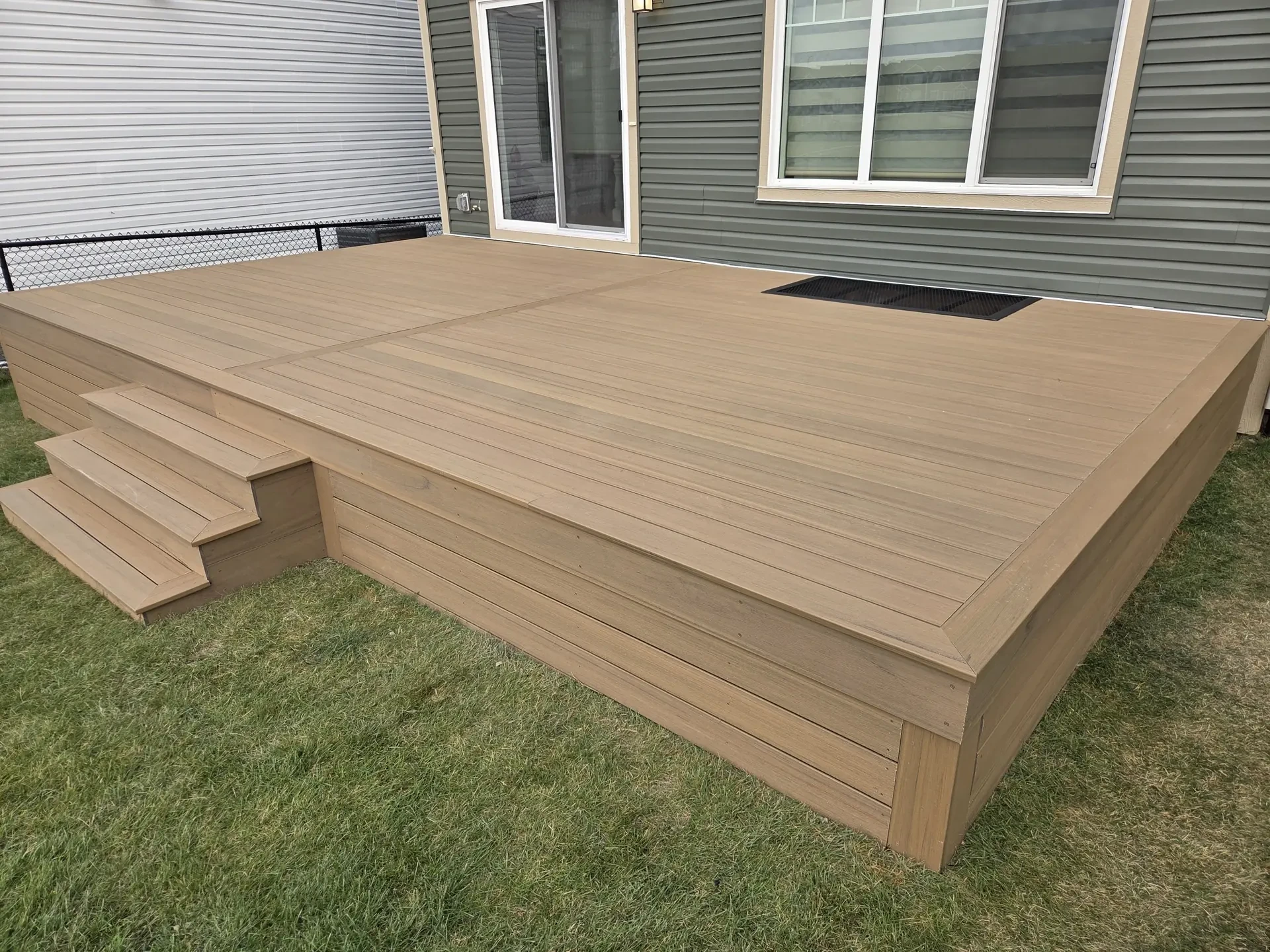
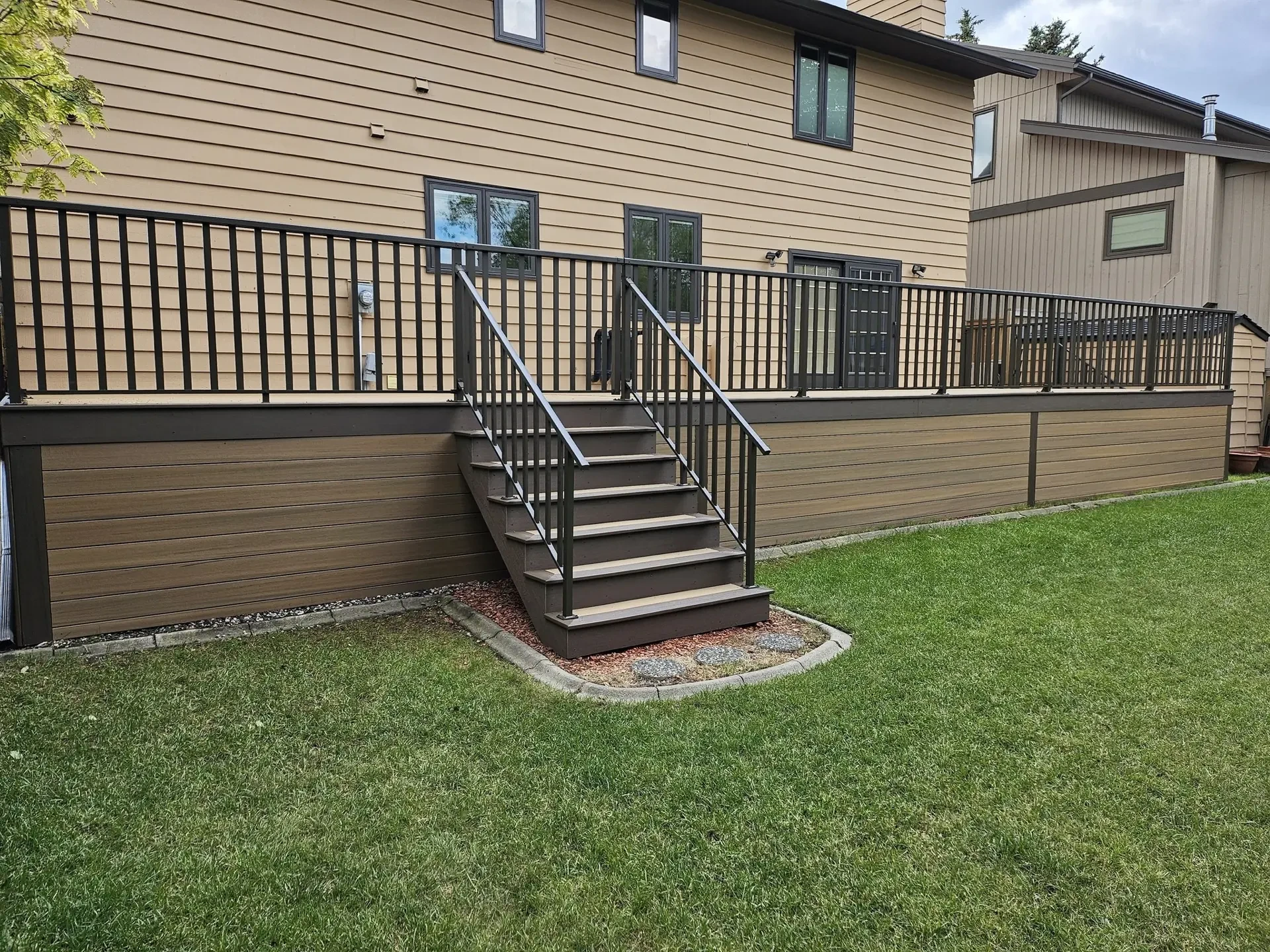
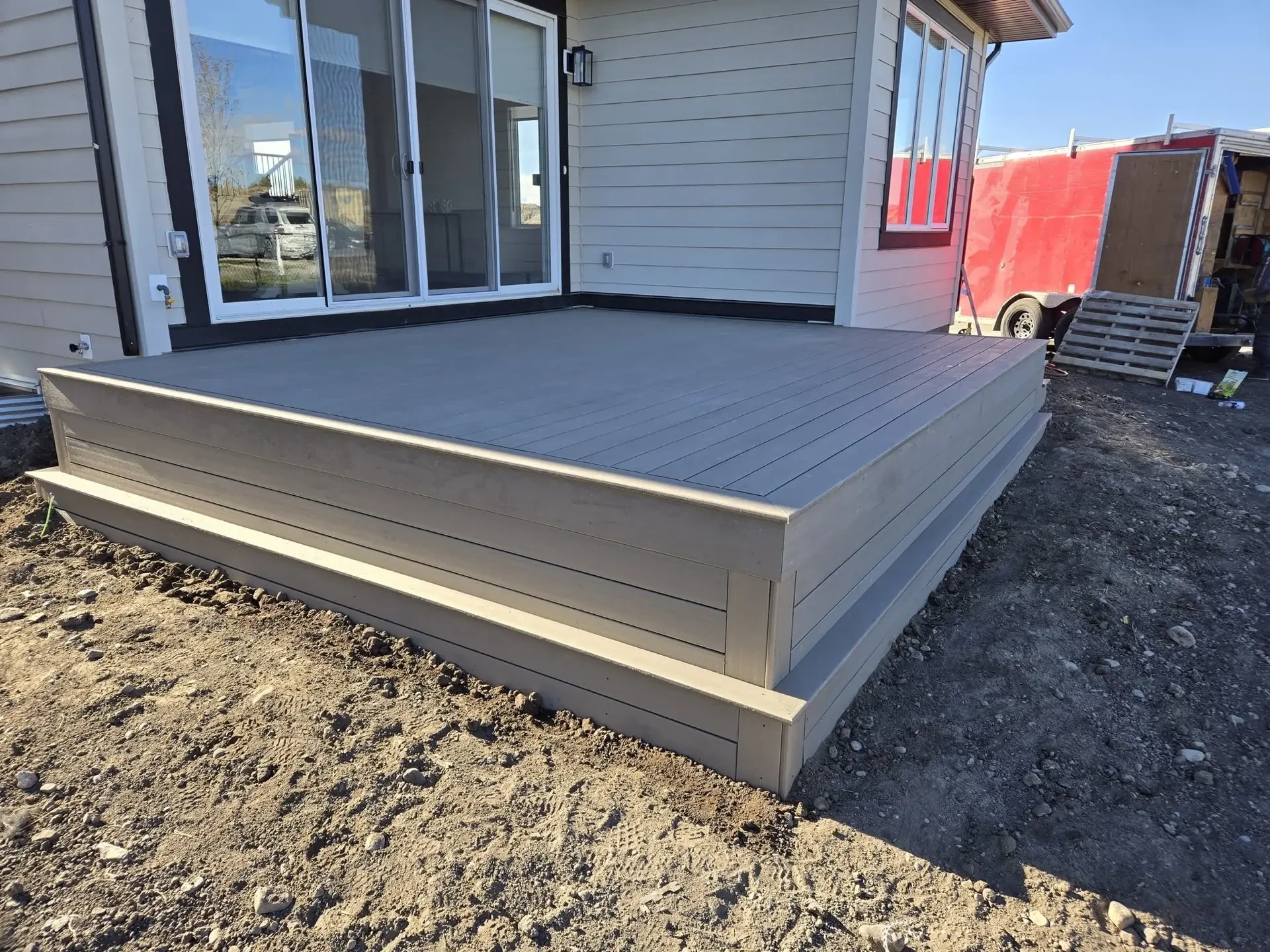
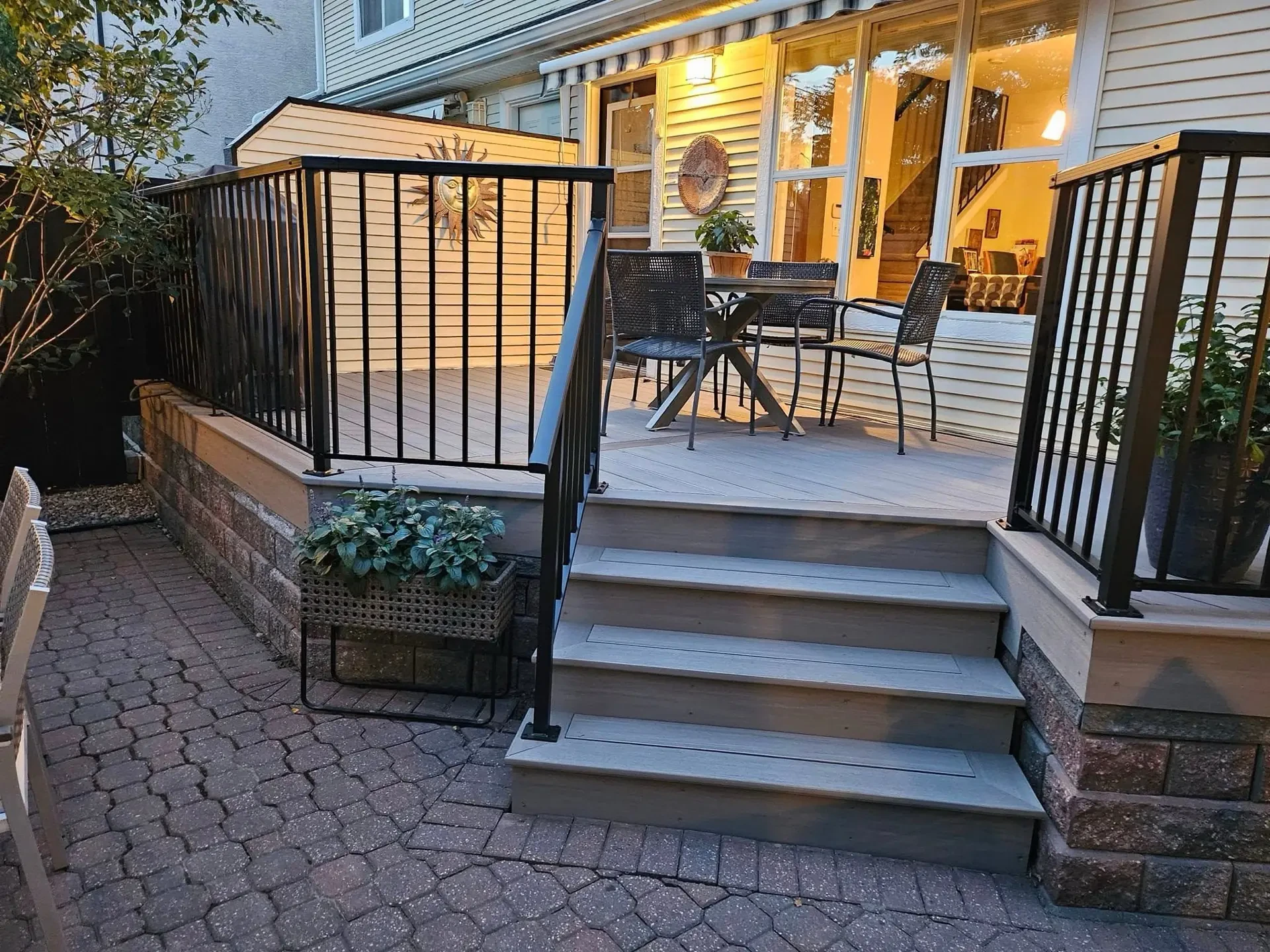
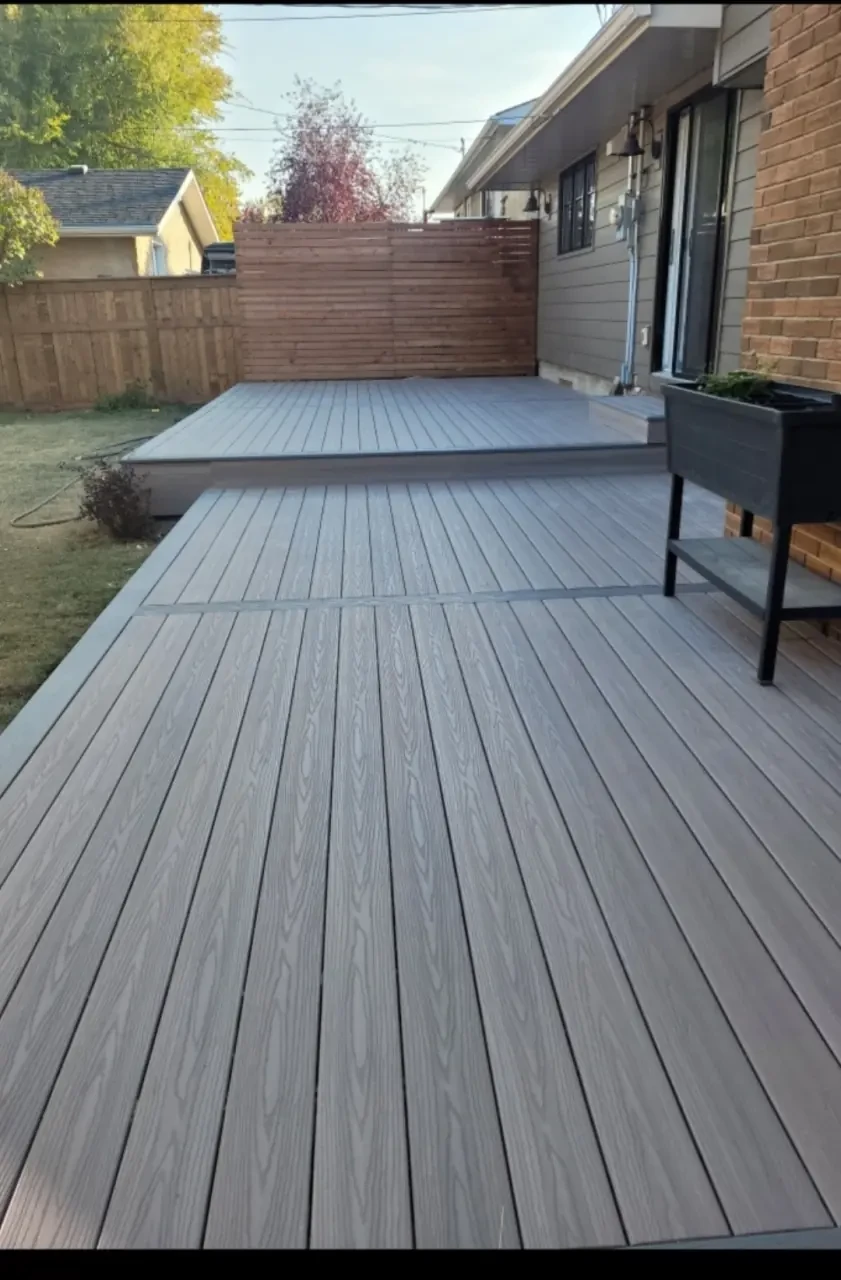
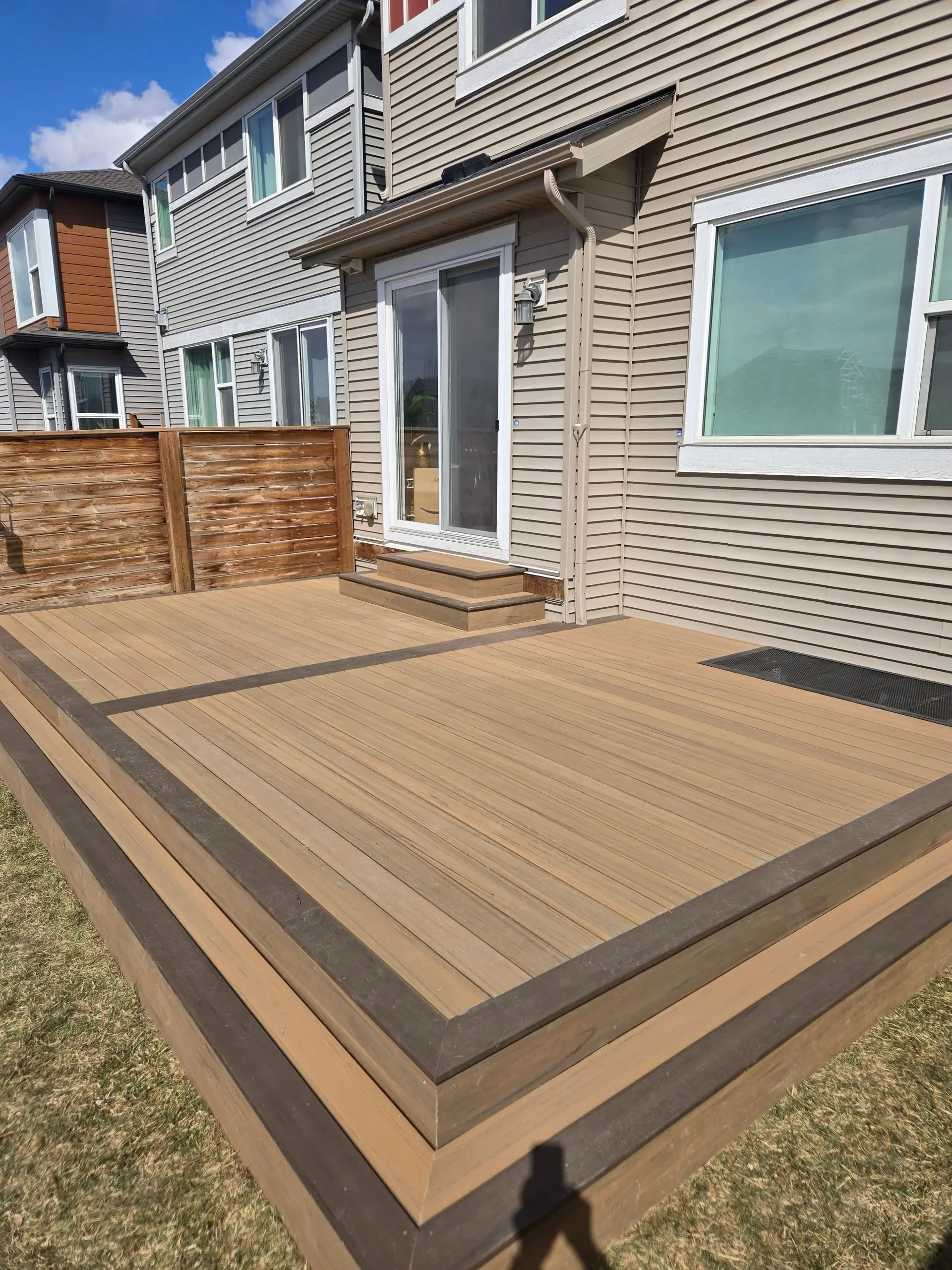
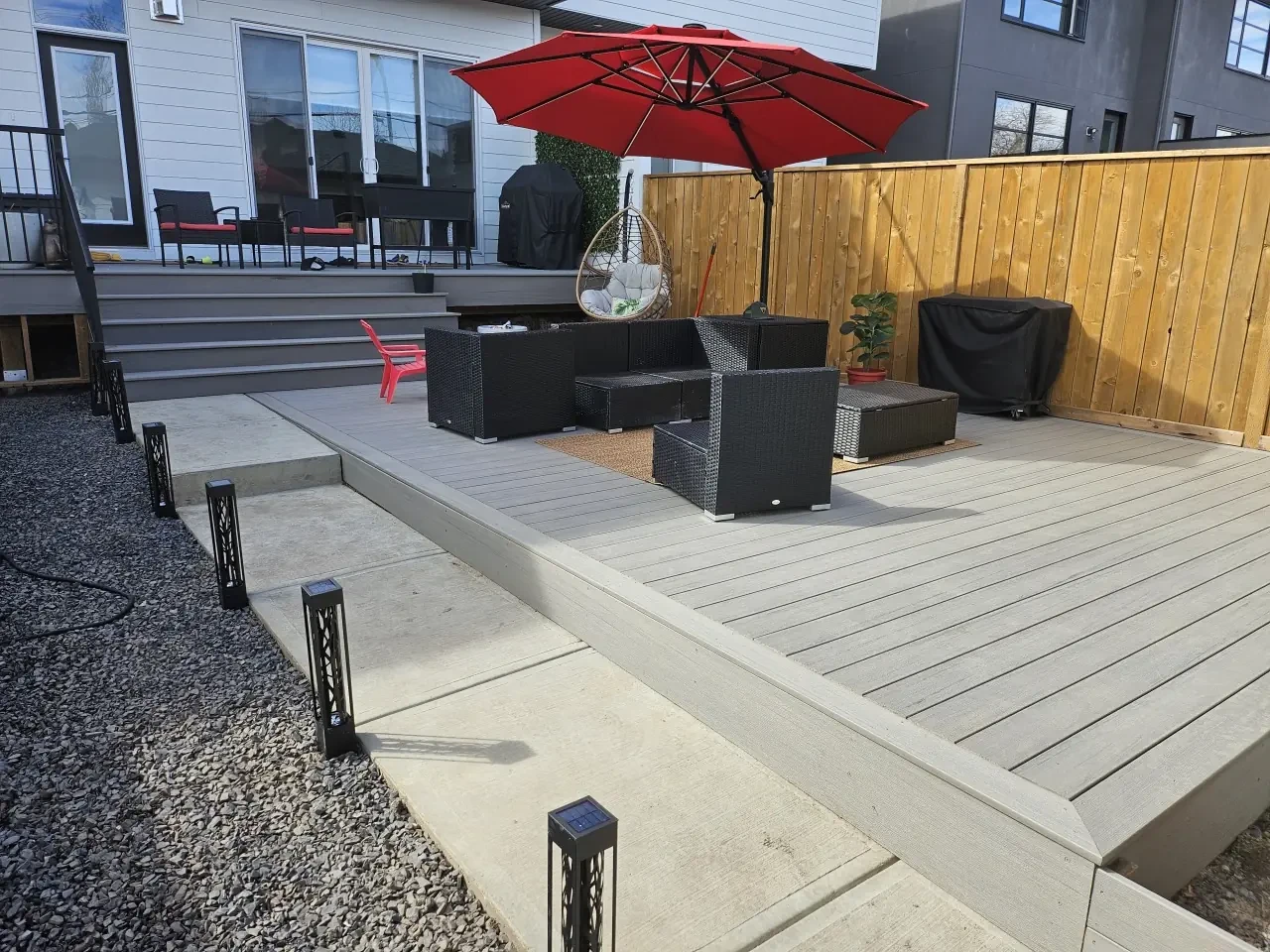
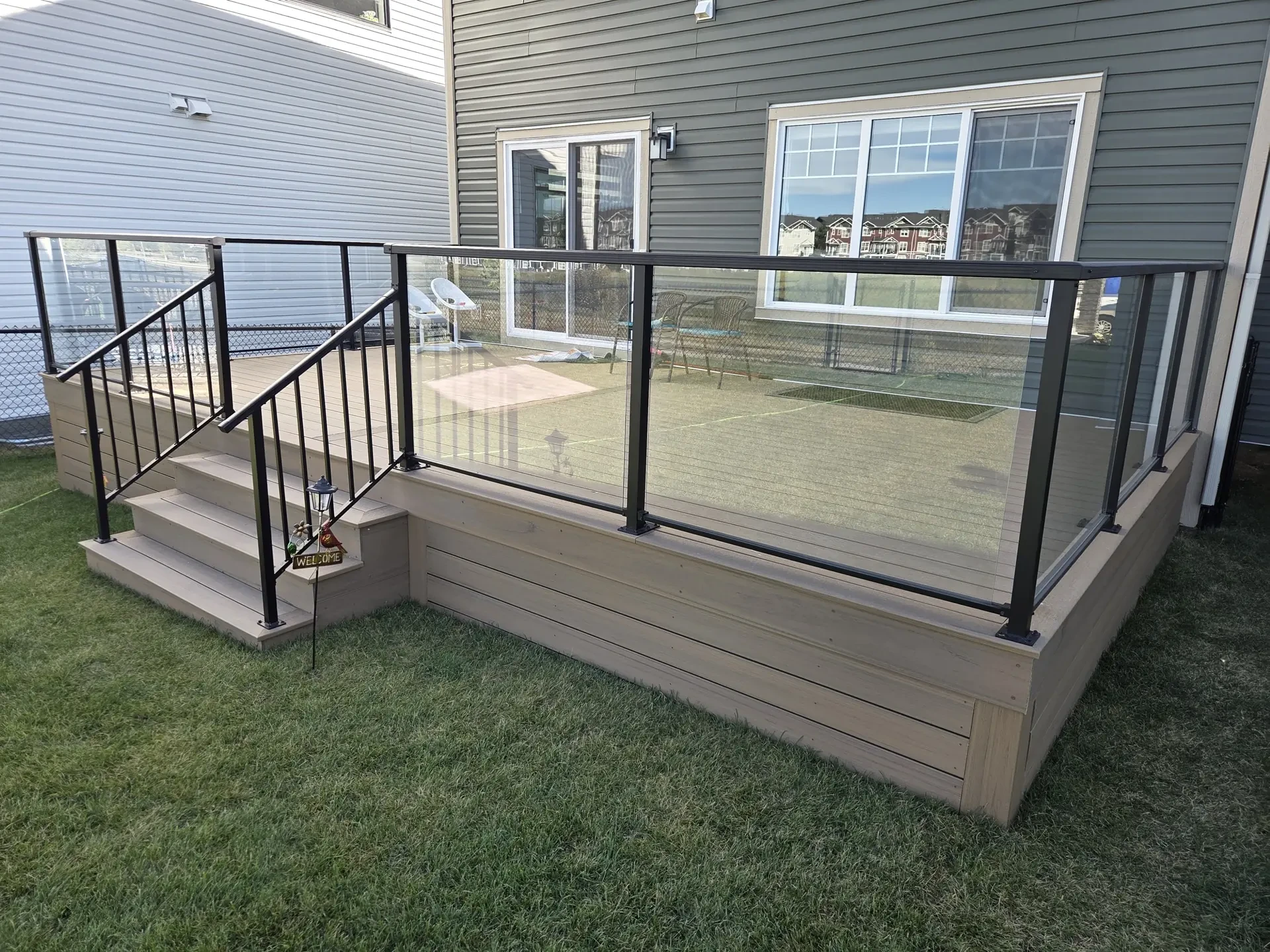
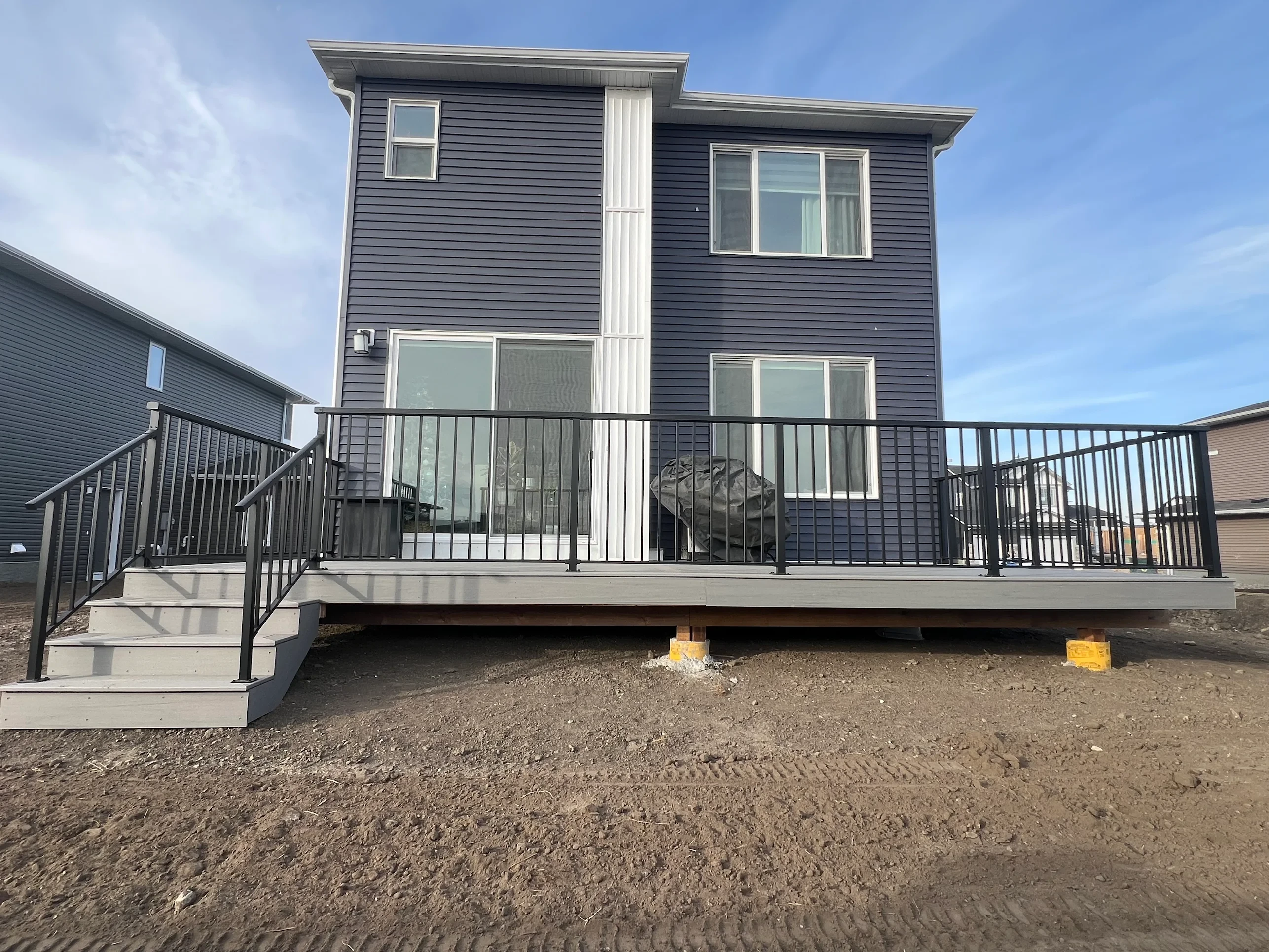
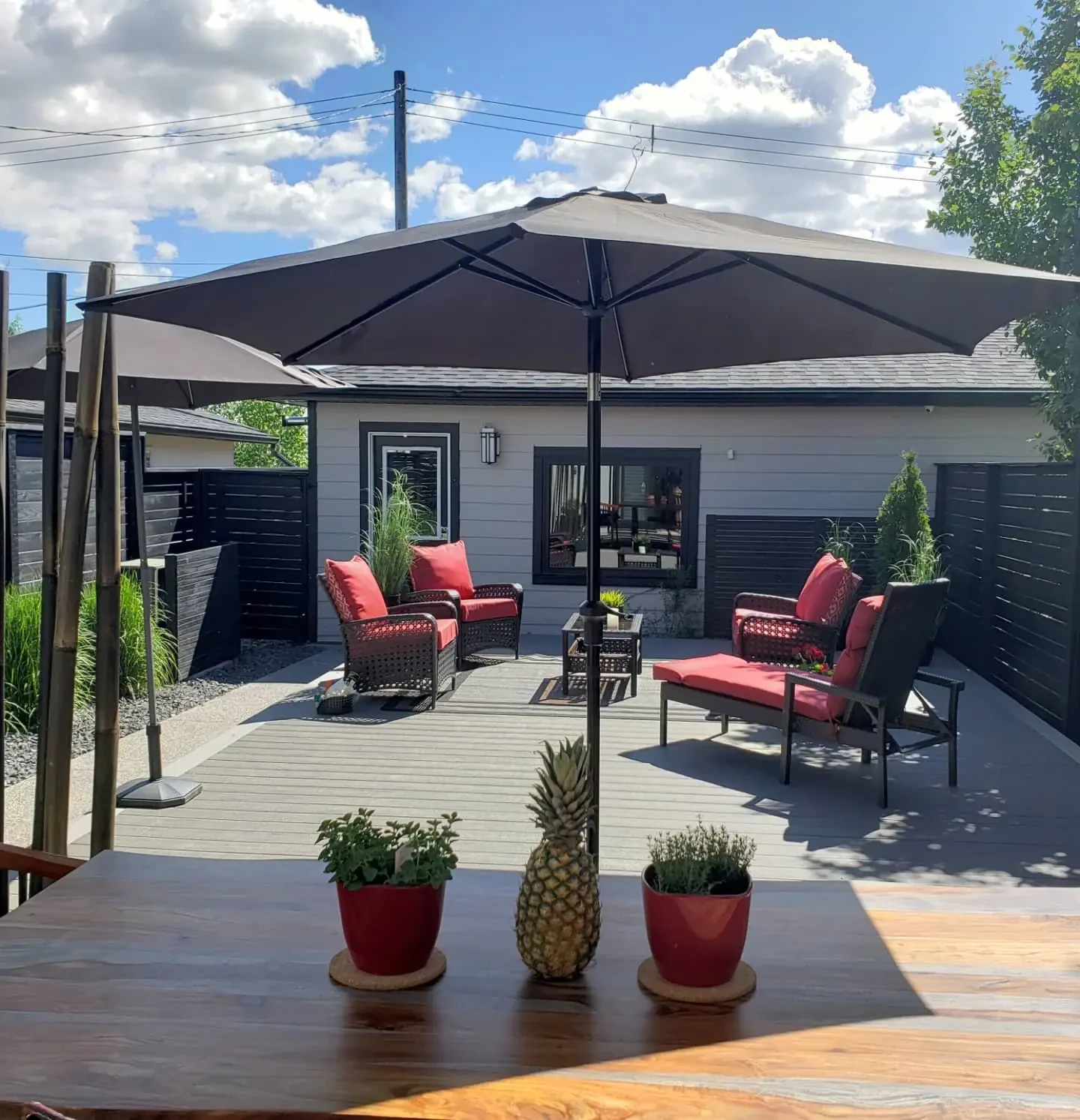
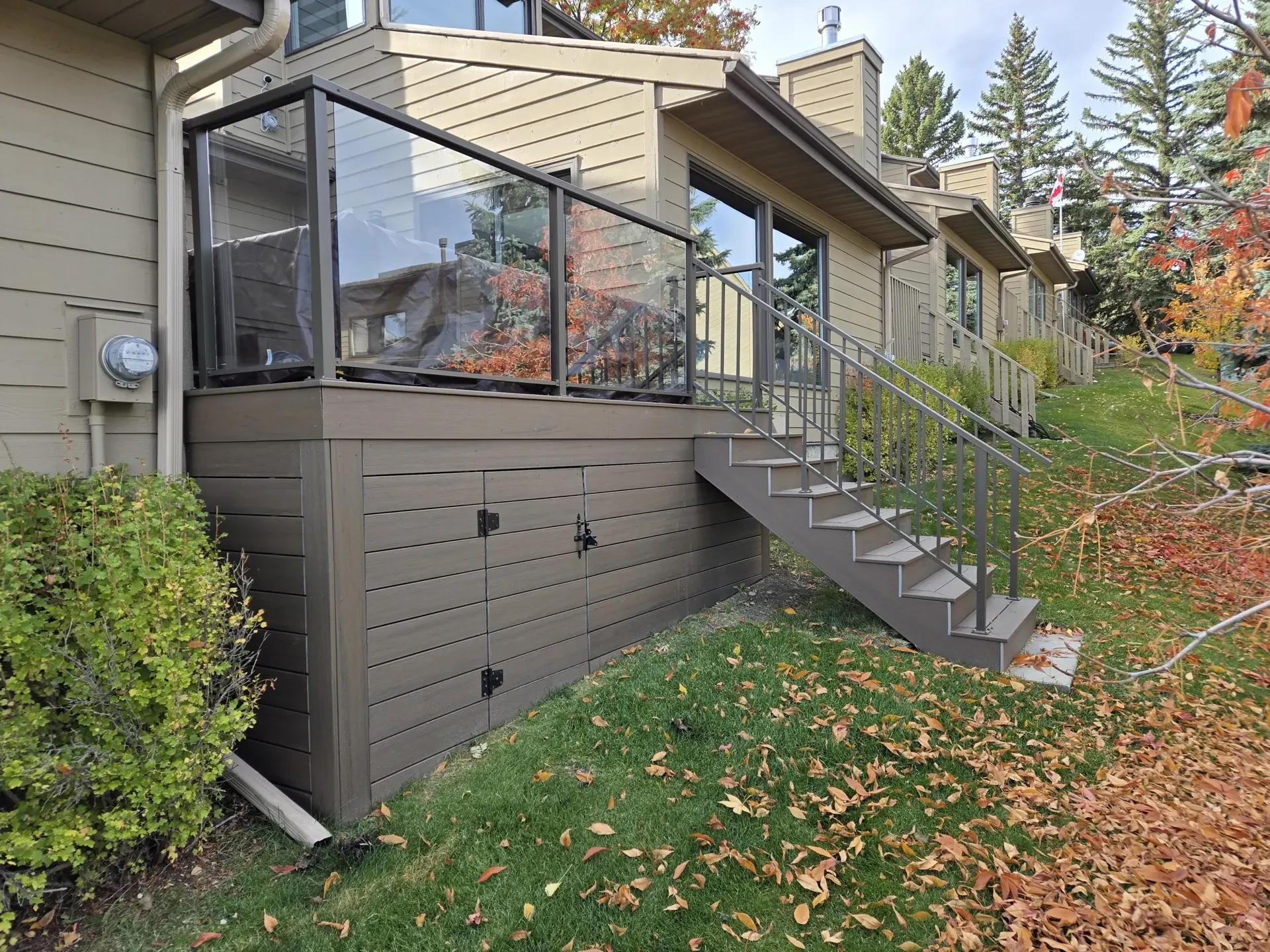
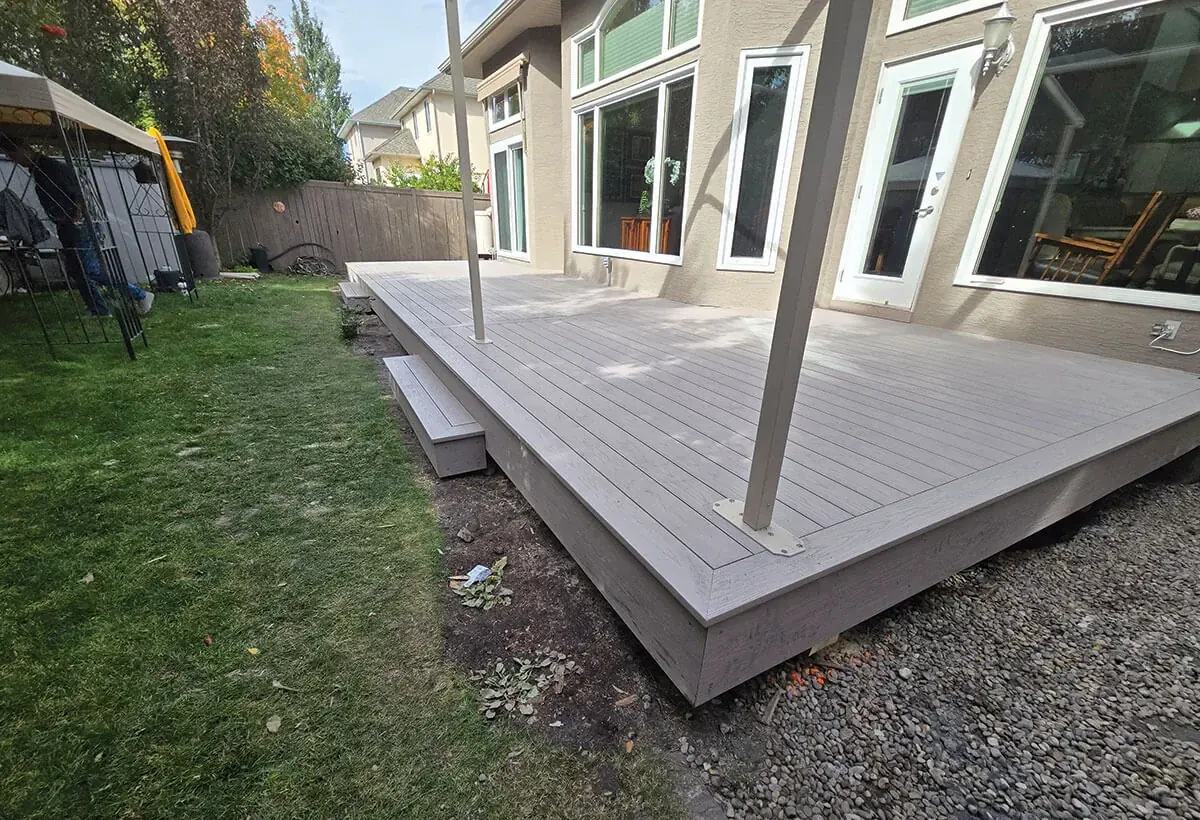
Composite decking mixes wood fibers and recycled plastic to create a durable, low‑maintenance surface that resists moisture, fading, and insects—well suited to poolside conditions.

How Does Composite Decking Ensure High Durability and Weather Resistance?

Its engineered wood‑plastic blend resists warping, splintering, and rot, helping the boards retain structural integrity and appearance under wet and variable weather.

What Are the Maintenance Requirements and Cost Considerations for Composite Decking?

Routine cleaning with mild soap and water is usually sufficient. Composite typically costs more up front than untreated wood but often reduces lifecycle expenses through lower maintenance and longer service life.

Why Choose Concrete for Long-Lasting Pool Deck Construction?

Concrete delivers structural strength and long service life and can be customised in colour, texture, and pattern to complement the landscape.

What Are the Longevity and Customization Advantages of Concrete Pool Decks?

Customized concrete pool deck with unique textures and colors, showcasing durability and design flexibility

With proper installation and upkeep, concrete decks remain serviceable for decades. Finishes such as stamped, stained, or exposed aggregate provide a range of surface textures and styles.

What Are the Installation Challenges and Drawbacks of Concrete?

Concrete installation requires skilled labour for mix design, placement, curing, and jointing, which raises initial cost. If curing or joints are mishandled or if extreme temperature swings occur, cracking is more likely and should be addressed in maintenance planning.

Careful attention to concrete curing and crack prevention is essential to achieve a watertight, long‑lasting pool deck.

Concrete Pool Deck Waterproofing & Crack Prevention

Curing must be controlled to prevent rapid drying, which causes cracks and reduced surface hardness. For watertight construction, the concrete deck surface requires careful attention to curing, finishing, and moisture management.

Principles of design and installation of building deck waterproofing, 1990

How Does Natural Stone Enhance Durability and Aesthetic Appeal in Pool Decks?

Close-up of a natural stone pool deck with granite and travertine, emphasizing elegance and durability

Natural stone—such as granite, slate, and travertine—offers premium aesthetics and strong resistance to weathering and surface wear.

What Makes Natural Stone a Weather-Resistant and Long-Lasting Material?

Most natural stones have low water absorption, reducing freeze–thaw risk. They tolerate heavy foot traffic and environmental exposure with limited deterioration, maintaining function and appearance over time.

Natural stone's resistance to freeze–thaw cycles is a key determinant of its long‑term performance as a building material.

Natural Stone Durability: Freeze-Thaw Resistance for Pool Decks

Predicting the long‑term durability of stones under freeze–thaw is crucial for selecting natural stones in engineering applications. This study investigates the long‑term performance of building stones against freeze–thaw.


Predicting the long-term durability of building stones against freeze–thaw using a decay function model, A Jamshidi, 2013

How Do Cost and Maintenance Impact Natural Stone Pool Decks?

Natural stone tends to have higher initial cost, but its durability and relatively low maintenance—mainly periodic sealing—can offset that investment over time.

What Are the Practical Considerations for Wood and Paver Materials in Pool Deck Construction?

Wood and pavers are viable choices with trade‑offs: wood gives a traditional look, while pavers offer design flexibility and straightforward repairs.

How Does Wood Offer Traditional Appeal and What Are Its Maintenance Needs?

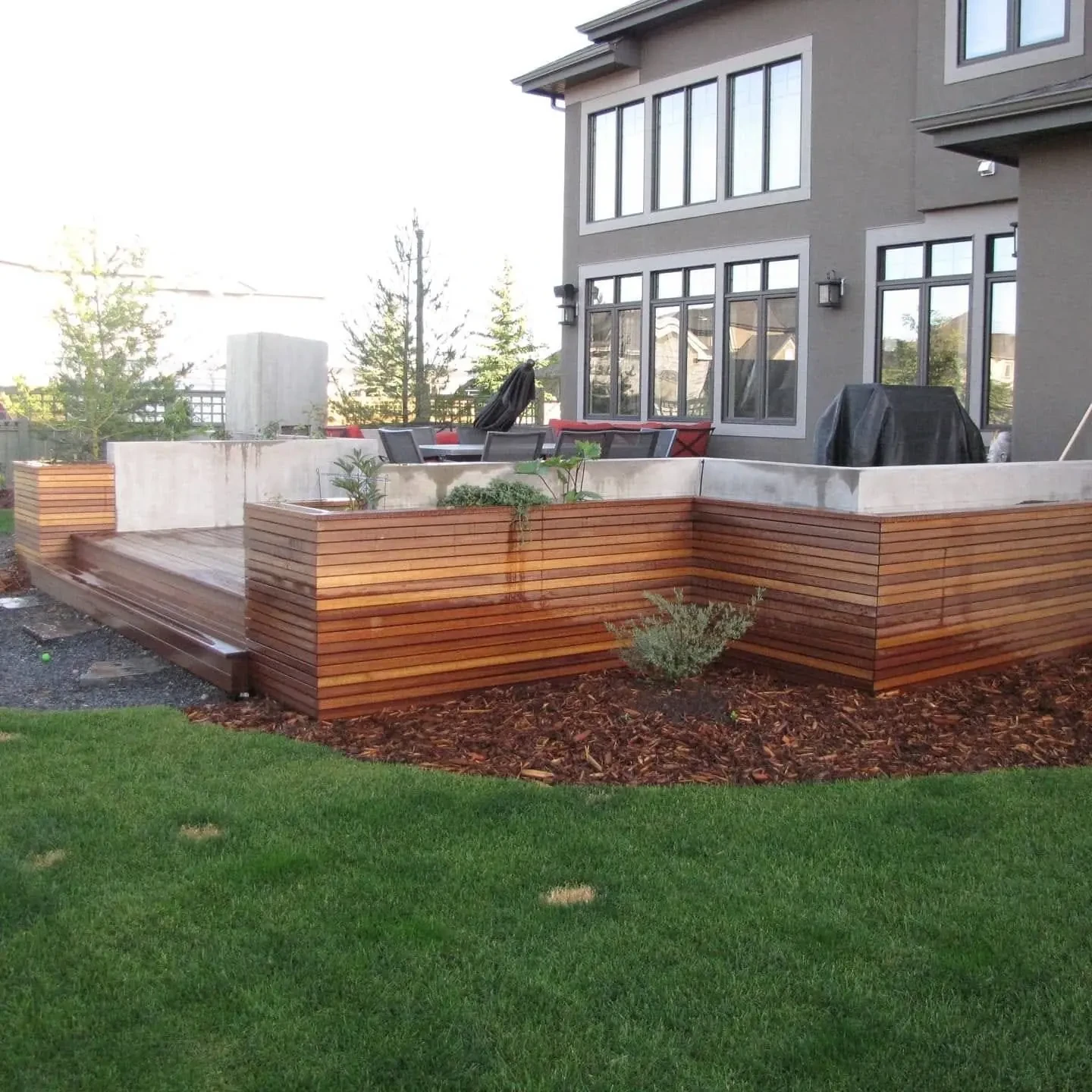
Wood decks need routine staining and sealing to protect against moisture ingress and UV; owners should budget for ongoing upkeep to maintain appearance and serviceability.

What Are the Versatility and Installation Benefits of Pavers for Pool Decks?

Pavers come in many shapes, sizes, and colours for customised patterns. Installation is generally straightforward, and damaged units are simple to replace, easing repairs and maintenance.

Each material has distinct performance and aesthetic traits—select based on project priorities and budget.

MaterialKey BenefitMaintenance LevelCost Consideration
Composite DeckingLow maintenance, durableLowHigher initial cost
ConcreteCustomizable, long-lastingModerateInstallation costs
Natural StoneAesthetic appeal, weather-resistantLowHigher initial cost
WoodTraditional lookHighOngoing maintenance
PaversVersatile design optionsLowModerate initial cost

This comparison shows how each material meets different project needs. For material selection and cost guidance, consult professionals like Serenity Construction Ltd..

To ensure a smooth installation, partner with a reputable deck builder who will align material selection with design and budget.

Choosing the right pool deck material affects both aesthetics and service life. Assess each option's benefits and limitations, and consult experts such as Serenity Construction for professional installation.

Frequently Asked Questions

What factors should I consider when choosing a pool deck material?

Consider durability, maintenance needs, upfront and lifecycle cost, and aesthetic fit. Check how each material performs in your local climate—especially regarding moisture and temperature—and get professional recommendations tailored to your project.

How do I maintain a concrete pool deck to prevent cracking?

Follow correct curing during installation, inspect surfaces periodically, apply an appropriate sealant every few years, avoid de‑icing salts, and keep the deck clean to preserve integrity.

Are there eco-friendly options for pool deck materials?

Yes. Composite decking with recycled content, permeable pavers that support infiltration, and long‑lasting natural stone are more sustainable choices; evaluate sourcing and manufacturing when prioritizing eco‑friendliness.

What is the best material for a pool deck in a cold climate?

In cold climates, low‑absorption natural stone and properly detailed concrete resist freeze–thaw effects best. Use suitable sealants and installation methods that minimise freeze–thaw damage while maintaining safety.

How can I enhance the safety of my pool deck?

Specify slip‑resistant surfaces (textured concrete or selected stones), add handrails where needed, ensure good lighting, keep surfaces clear of debris, repair damage promptly, and consider non‑slip coatings or mats in high‑traffic zones.

What are the advantages of using pavers for pool decks?

Pavers offer design versatility, straightforward installation, and easy replacement of individual units. Permeable paver systems also improve drainage and reduce standing water around the pool.

Conclusion

Choosing the right material is essential to achieve both longevity and the desired aesthetic for a pool deck. Understand each material's advantages and maintenance profile, and seek professional guidance for specification and installation to ensure lasting performance.