



Navigating Common Alberta Fence Installation Challenges
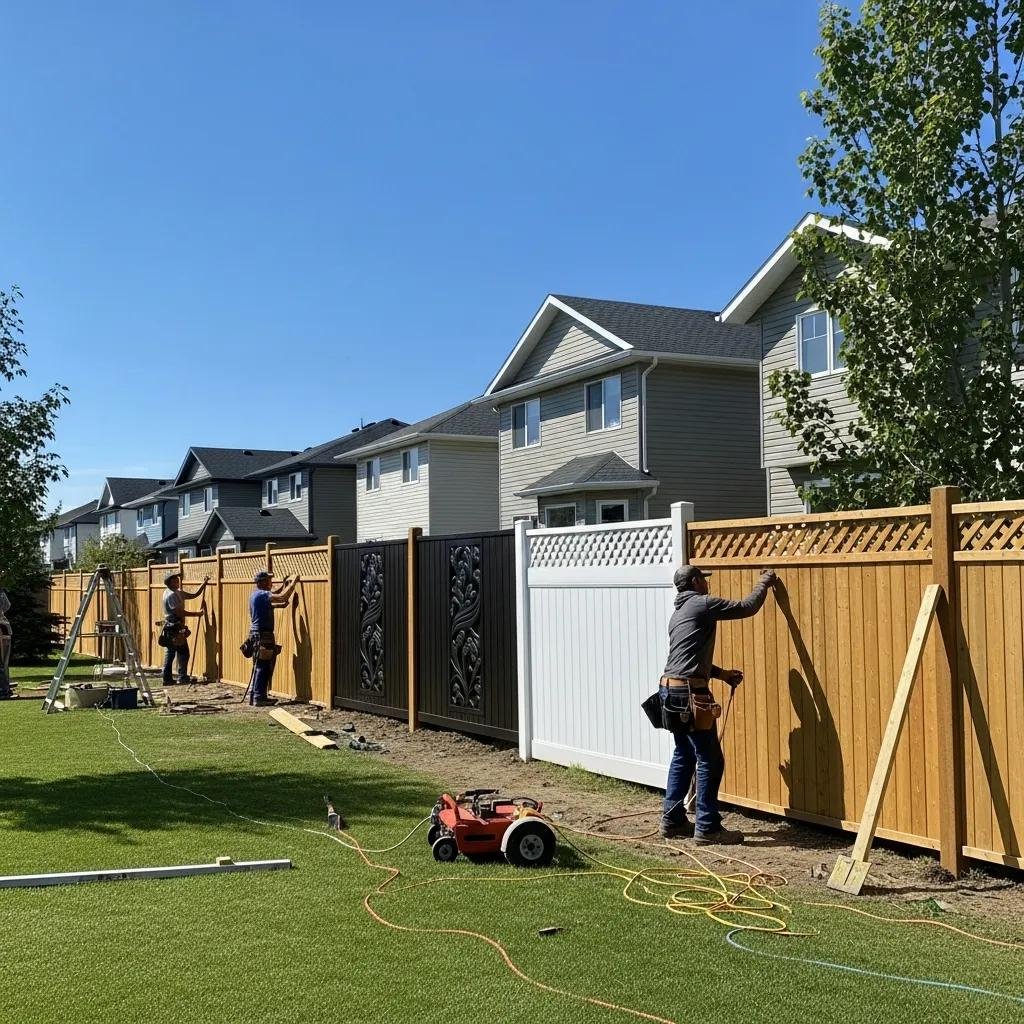
Fence projects in Alberta often run into the same predictable hurdles that add cost, push timelines out, and strain neighbour relationships if you don’t plan for them. This guide covers the five issues you’re most likely to see—property line disputes, municipal bylaws and permits, buried utilities, post-installation problems in cold weather, and choosing materials that stand up to Alberta’s freeze–thaw cycles—and gives practical, actionable steps to avoid or reduce those problems. You’ll get clear definitions, why each issue matters here in Alberta, and concise checklists and technical recommendations to keep your project on schedule and structurally sound. We walk through survey and neighbour-communication best practices, a step-by-step Calgary permit checklist, Alberta One-Call locate procedures and safe-digging tips, numeric guidance for post depth and anchoring, plus a material comparison and drainage strategies to extend fence life. Read on for targeted lists, comparison tables, and contractor-integration notes that help you move from planning to a durable installation with confidence.
What Are the Key Property Line Challenges in Alberta Fence Installation?
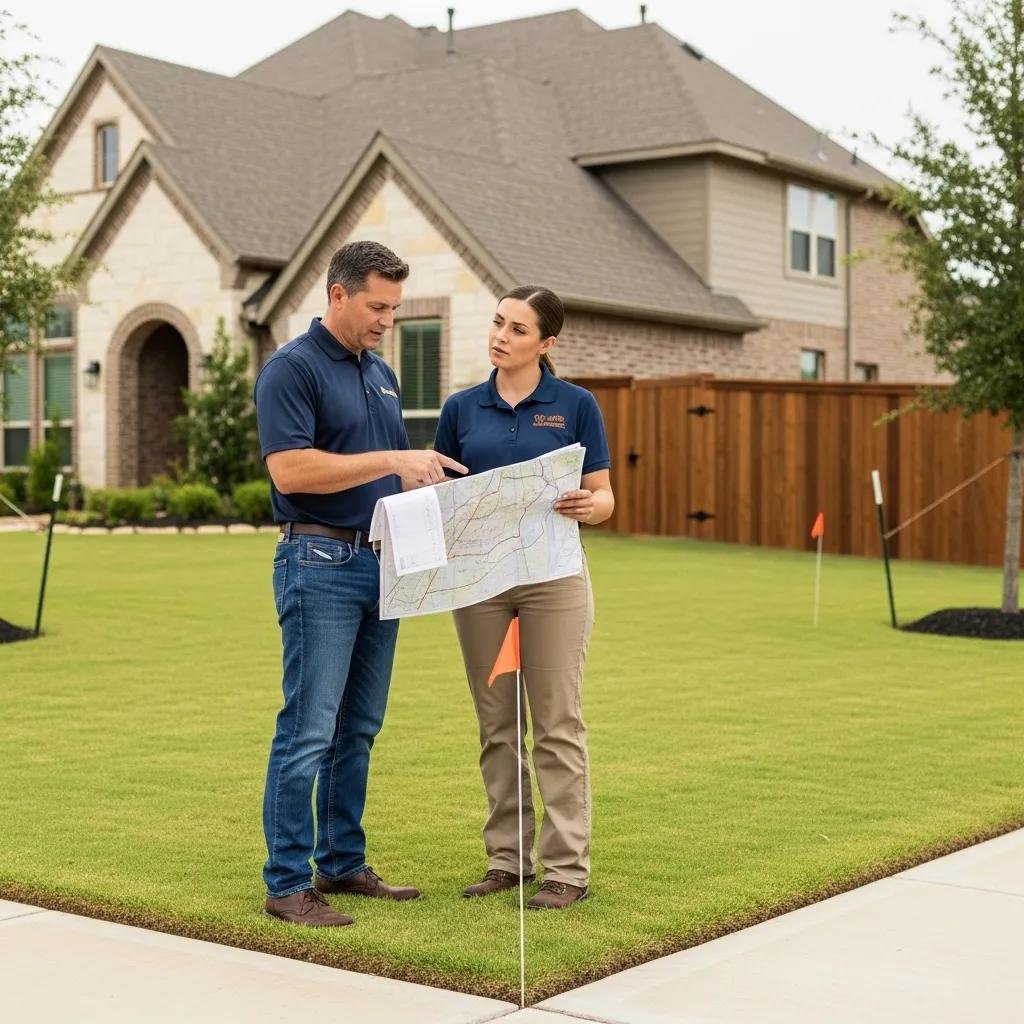
Property line issues show up when the planned fence doesn’t match legal boundaries—this can lead to neighbour disputes, rework, or municipal enforcement. Often the cause is an old fence, a verbal agreement, or an incorrect assumption about where the lot line sits. Confirming boundaries early prevents delays and legal headaches. Accurate surveys and clear communication set predictable expectations for both homeowners and contractors, cutting the chance of costly reinstallation or conflict. The sections below give practical steps to confirm boundaries and simple neighbour-communication strategies to use before any digging begins.
How Can Homeowners Accurately Determine Property Lines to Avoid Disputes?
Start with the paperwork: check your property deed and any existing plan of survey for written boundary descriptions, then compare those legal markers to what you see on the ground. If records are unclear or the risk is high, hire a licensed land surveyor to produce a current plan of survey showing exact lot corners and allowable setbacks. Surveys typically take a few days to a couple of weeks depending on scheduling. When marks are placed, photograph and record them, keep copies for permit applications, and share copies with adjacent neighbours so everyone has the same reference. These steps reduce ambiguity and create a defensible record if a dispute arises, and they naturally feed into best practices for outreach and on-site joint visits.
What Are Best Practices for Surveying and Neighbor Communication?
Reach out to neighbours early—at least two weeks before work starts—to share a site plan and your proposed fence line so concerns can be raised while changes are still easy and inexpensive. During a joint site visit, walk the proposed alignment with your survey plan, point out physical markers, and document any informal agreements in writing so there’s no later confusion; a short signed memo or written consent can prevent future disputes. If neighbours disagree and you can’t reach an agreement, rely on the licensed surveyor’s findings and, if needed, municipal records or legal advice to resolve the issue. Clear early communication reduces the risk of a work stoppage and sets reasonable expectations for timeline and costs.
How Do Alberta Fence Bylaws and Permit Requirements Impact Installation?
Municipal bylaws and permit rules dictate where and how you can build a fence. Ignoring them can mean removal orders, fines, or costly retrofits—so understanding local rules up front smooths the schedule. In Calgary and many other Alberta municipalities, whether you need a permit depends on fence height, location (front yard vs. backyard), and sightlines on corner lots; these rules affect design choices and the documentation you’ll need. A clear permit workflow shortens approval time and reduces surprises during inspections. The next subsection offers a practical checklist for Calgary permits and a short table summarizing typical local requirements.
What Are the Essential Steps to Obtain Calgary Fence Permits?
Follow this checklist to apply for a fence permit in Calgary:
- Confirm whether your fence requires a permit based on height and location.
- Gather your property plan and a site sketch showing proposed dimensions and setbacks.
- Complete the municipal application form and attach required documents.
- Submit the application and pay the applicable fees.
- Prepare for and schedule any inspections or municipal reviews.
Timelines range from a few business days for simple applications to a few weeks if additional documentation or neighbour notifications are needed—so submit early in the planning phase to avoid construction delays. If you prefer a hands-off approach, a contractor can prepare and submit the application for you, ensuring the drawings and details meet municipal expectations.
Different fence scenarios call for different design responses. The bullets below summarize what to check and how to adapt your plan.
- Determine permit necessity: Check front-yard versus backyard rules before finalizing design.
- Prepare documentation: Include a scaled site plan, property corners, and proposed fence height.
- Plan for inspections: Build in time for municipal review and any required adjustments.
These steps create a predictable path to permit approval and tie directly into the design choices discussed next.
Why Is Locating Underground Utilities Crucial Before Fence Installation?
Hitting underground utilities while digging post holes risks injury, service outages, expensive repairs, and legal liability. Locating utilities before excavation is essential for safety and keeping your project on track. In Alberta, the provincial locate system ensures gas, electric, water, and telecom lines are marked so you or your contractor can place posts safely or shift alignments to avoid hazards. Time your locate requests with your start date and follow safe-digging practices to reduce the chance of accidental strikes. The subsections below explain how Alberta One-Call works and list safety precautions to follow during excavation.
How Does Alberta One-Call Service Help Prevent Utility Damage?
Alberta One-Call is a single point to request free utility locates so infrastructure owners can mark their buried facilities before excavation begins. Submit a ticket or call ahead and allow the required notice period for locates. When locates are scheduled, crews mark utilities on-site with paint or flags in colour codes that identify each service type; confirm and photograph those marks before any digging. Typical lead times vary, so plan locates a few business days ahead to avoid schedule conflicts. Contractors usually coordinate locates as part of project scheduling so marking happens just before work starts, and they use those marks to plan safe post positions and digging methods.
What Safety Precautions Should Be Taken During Digging?
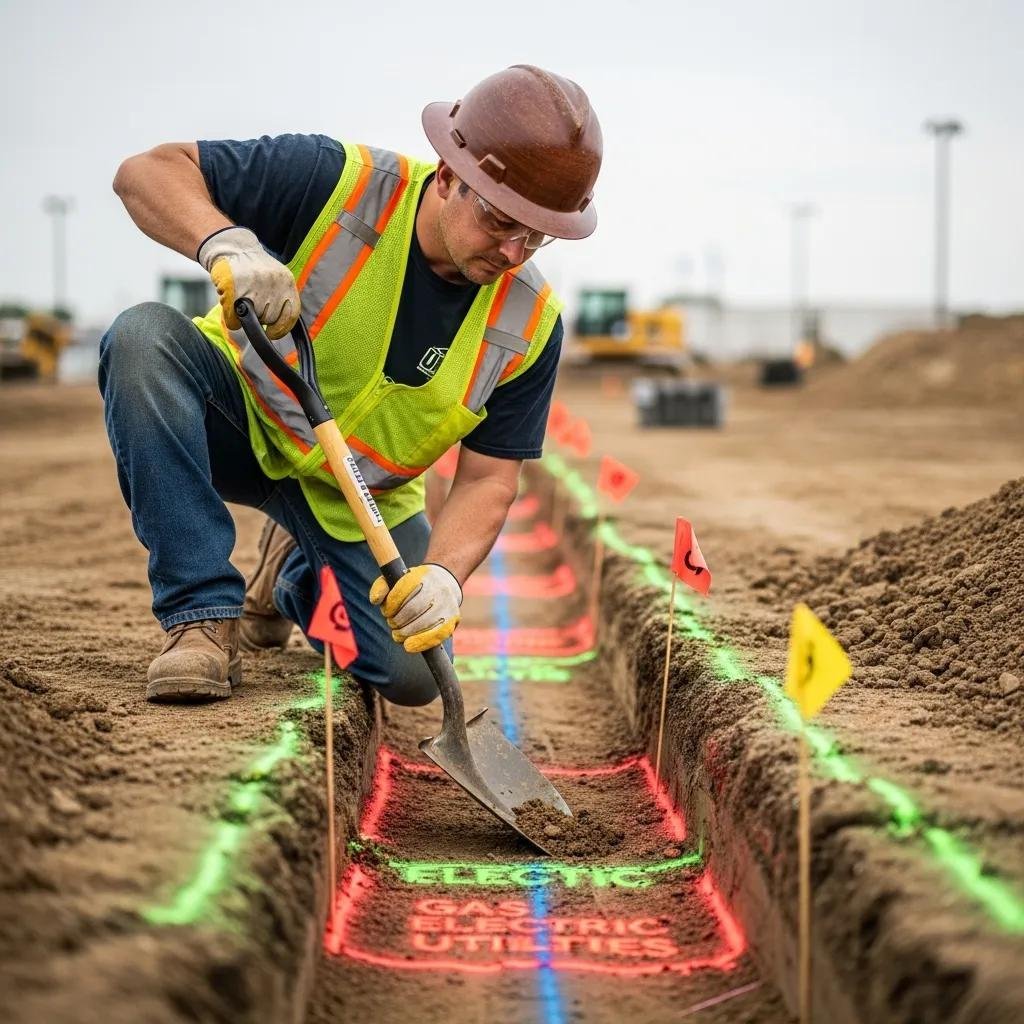
Use these essential safety practices when excavating near marked utilities:
- Hand-dig inside the tolerance zone around marks.
- Use insulated tools when working near electrical conductors.
- Keep marks visible and verify them as work progresses.
- Have an emergency plan ready in case a line is struck.
Wear appropriate personal protective equipment—gloves, eye protection, and high-visibility clothing—and keep communication open with utility owners to speed any emergency response. Combining correct locates with careful excavation reduces risk to workers and property and helps keep the project moving, which leads into installation practices designed for Alberta’s climate stresses on posts.
What Are Common Fence Post Installation Mistakes in Alberta’s Cold Climate?
Alberta’s freeze–thaw cycles expose common post-installation mistakes: posts set too shallow, weak anchoring details, poor drainage, and loose backfill. Those errors often cause leaning posts and early failures. Addressing frost depth, wind exposure, and soil type during design and installation prevents frost heave and gives long-term stability. Below you’ll find a rule of thumb for post depth, a comparison of anchoring methods, and a list of common on-site mistakes to avoid.
How Deep Should Fence Posts Be Installed to Ensure Stability?
A practical rule of thumb is to bury at least one-third of the post’s total length and, where possible, place the footing below the local frost depth to reduce frost heave. For example, a 6‑foot above-ground fence commonly uses 8–9‑foot posts with burial depths around 2–3 feet, adjusted for exposed, windy sites or poor soils where deeper or reinforced anchoring is advisable. Soil type, drainage, and wind loads may require conservative adjustments—clay soils or high-wind locations often call for deeper burial or added reinforcement. When in doubt, consult a professional installer or engineer to tailor depth and details to your site.
What Are the Pros and Cons of Concrete vs. Gravel Anchoring?
Anchoring choices trade off rigidity, drainage, frost performance, cost, and repairability—each affects how a fence behaves over freeze–thaw cycles. The table below compares common anchoring approaches and their typical impacts so you can pick the method that fits your soil, climate, and maintenance priorities.
This comparison shows why hybrid approaches are commonly recommended: they combine durable support with better frost performance when detailed correctly. The list below highlights on-site mistakes to avoid.
- Incorrect burial depth: Posts set too shallow will heave or lean during freeze–thaw cycles.
- Poor drainage around posts: Waterlogged soil speeds rot and frost action.
- Inadequate compaction: Loose backfill won’t resist lateral loads or prevent settlement.
Avoiding these mistakes helps keep your fence straight and lowers long-term repair costs.
Many homeowners hire professional contractors (Serenity Construction Ltd) to ensure correct post depth and anchoring details that withstand local freeze–thaw conditions. Professional coordination is particularly valuable on exposed sites or long runs where consistent performance matters.
How Does Material Selection Affect Fence Durability in Alberta’s Climate?
Material choice is a major factor in fence longevity here: freeze–thaw cycles, UV exposure, moisture, and wind stress materials differently. Pick materials that resist rot, warping, and degradation while matching your maintenance preferences and budget. Below is a practical comparison of common materials, followed by maintenance tips and site-prep recommendations to extend service life.
Which Fence Materials Resist Warping and Rot in Freeze-Thaw Conditions?
Materials trade durability, maintenance, and cost. Cedar offers natural rot resistance and good looks but benefits from regular sealing to minimize warping. Pressure-treated wood is economical and rot-resistant when detailed correctly. Composite panels provide low maintenance and dimensional stability at a higher upfront cost. Metal options avoid rot but need corrosion-resistant finishes and careful anchoring to prevent galvanic issues with fasteners. Choose based on your priorities—appearance, low maintenance, or longest lifespan—and pair that choice with proper installation details.
This table clarifies how each material balances cost, upkeep, and climate suitability; pairing the right material with proper site prep maximizes longevity and reduces life-cycle costs.
How Can Proper Ground Preparation and Drainage Prevent Fence Damage?
Good ground prep directs water away from post bases and panels, greatly reducing rot and the effects of freeze–thaw cycles. Effective measures include grading, gravel trenches, and controlling downspout discharge.
- Grade soil so it slopes away from posts.
- Place a gravel layer at footing level to promote drainage.
- Consider perforated pipe or drainage channels where surface runoff is poor to prevent pooling near post bases.
Minimize soil and vegetation contact with panels—use a gravel strip or narrow planting bed to reduce constant moisture contact and allow airflow. These prep steps, combined with the right material and anchoring choices, prevent premature failure and keep your fence aligned over time.
If you prefer an end-to-end solution, professional installers can assess drainage needs and recommend materials. For example, Serenity Construction Ltd offers consultations on cedar, pressure-treated, and composite options and advises on drainage details tailored to your lot and performance goals. Once materials and drainage are set, the final steps are accurate layout, utility locates, and permit compliance before digging starts.
Final note and next steps
If you’d like help turning these recommendations into a practical plan, request a free consultation and estimate to review property lines, permits, locates, material choices, and post anchoring strategies. Many homeowners find that a professional walkthrough and a written plan reduce surprises and align expectations. Serenity Construction Ltd provides full-service fence construction, handles permits and paperwork, and offers free estimates plus warranty coverage to give you confidence in both the process and the result. Contact a knowledgeable contractor to schedule a site review so you can move forward with clarity and a timeline that accounts for local bylaws, utility locates, and winter-ready installation details.
Frequently Asked Questions
What are the typical costs associated with fence installation in Alberta?
Fence costs in Alberta vary with material, fence length, and installation complexity. On average, expect roughly $15 to $50 per linear foot depending on whether you choose wood, vinyl, or metal. Additional expenses can include permits, utility locates, and labour. Get multiple quotes and factor in site preparation and cleanup to compare true costs.
How can I maintain my fence to extend its lifespan?
Regular maintenance goes a long way. For wood fences, stain or seal every few years to protect against moisture and UV. Inspect metal fences for rust and touch up with corrosion-resistant paint as needed. Keep vegetation off the fence to avoid trapped moisture, and address loose boards or posts promptly. Good drainage around post bases is essential to prevent rot and structural problems.
What should I do if I encounter a property line dispute with my neighbor?
Start with an open conversation and share your survey documents. If you can’t agree, hire a licensed land surveyor to establish the official boundary. An updated survey often resolves disputes; if not, consider legal advice to understand your options. Keep written records of all communications and any agreements to protect your position.
Are there specific regulations for fence height in Alberta?
Yes—regulations vary by municipality. Generally, front-yard fences are restricted to about 3.5–4 feet, while backyard fences can be taller (often up to 6 feet). Some areas impose extra limits for visibility or safety, especially on corner lots. Always check with your local municipality for exact rules and obtain necessary permits before installation.
What are the benefits of hiring a professional contractor for fence installation?
Hiring a professional brings local regulatory knowledge, access to quality materials, and proven installation techniques. Contractors can handle permits, arrange utility locates, and build a fence that stands up to Alberta’s climate. Professionals often provide warranties and help avoid common mistakes that lead to costly repairs or replacements.
How can I choose the right fence material for my property?
Choosing the right material depends on durability, maintenance, aesthetics, and budget. In Alberta, pressure-treated wood, cedar, and composite are popular for their rot resistance and dimensional stability. Metal options like chain-link or wrought iron are durable but may need corrosion protection. Consider exposure to weather, desired privacy, and maintenance willingness, and consult a professional for tailored recommendations.
Conclusion
Planning for common challenges—property lines, permits, locates, and the right materials and details—will save time, money, and frustration during your Alberta fence project. If you want tailored advice, schedule a consultation with a local professional. A site visit and written plan make it easier to stay on budget and on schedule. Take the next step and contact a contractor to get started with confidence.
Comments