


Transformative Custom Deck Features for Calgary Homes
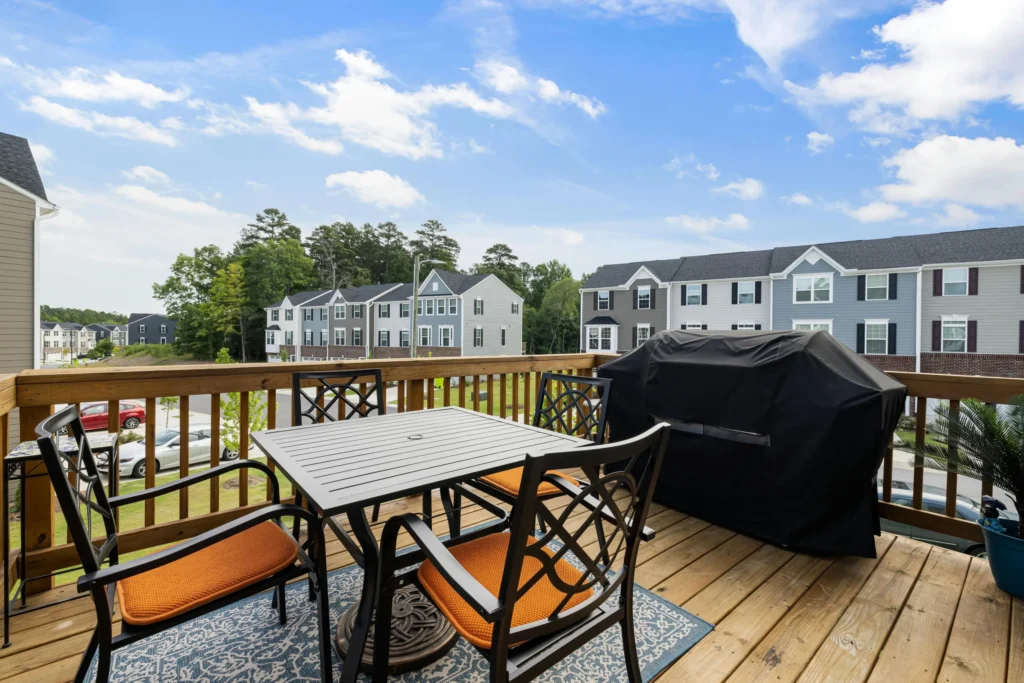
What Are the Most Popular Custom Deck Features in Calgary?
Calgary homeowners typically request features that extend the season, reduce upkeep, and improve entertaining. Durable, low-maintenance solutions and functional layouts matter more here because of Alberta’s weather. Top requests include outdoor kitchens for social cooking, built-in fire pits for warmth and atmosphere, multi-level decks that define separate zones, integrated seating and storage to keep things tidy, and upgraded railings and lighting for safety and curb appeal. Each choice is shaped by local climate needs—drainage, durable finishes, and code-compliant clearances are priorities that affect both design and maintenance planning.
Here’s a quick list of the most common features and the homeowner benefit of each:
- Outdoor kitchen: Keeps cooking and entertaining together so hosts can stay part of the gathering.
- Deck fire pit or fireplace: Adds heat and ambiance to extend evenings outdoors.
- Multi-level deck: Separates dining, lounging, and cooking areas on sloped sites.
- Built-in seating and storage: Maximizes usable space and hides clutter.
- Deck lighting and electrical: Improves safety and lets you use the deck after dark.
- Privacy screens and pergolas: Provide shelter and visual separation for closer lots.
- Hot tub integration: Creates a year-round relaxation spot and a strong lifestyle feature.
Many Calgary homeowners favor composite decking for lower maintenance and better performance with snow and ice, while some still choose pressure-treated wood for its lower upfront cost or classic look. Recognizing these trade-offs helps shape material selections and the choice of contractor.
Serenity Construction Ltd draws on local experience building these popular deck features across Calgary, with a focus on code-compliant installation, solid craft, and transparent estimates. Homeowners ready to explore options can request a free consultation to evaluate site conditions, material choices, permit needs and realistic budgets.
Which Unique Deck Features Enhance Outdoor Living Spaces?
Unique features move a deck from a simple platform to a set of purposeful outdoor rooms. Think integrated planters that soften edges and add privacy; sunken seating that creates a sheltered conversation area; and custom storage benches that serve as seating while hiding cushions and winter gear. These elements can be finished in composite, cedar, or natural stone accents depending on the look you want and how much maintenance you’ll accept.
Other thoughtful details include weather-protected housings for speakers and recessed lighting channels to keep lines clean, plus fold-down privacy screens or adaptable pergolas for seasonal sun control. One local example: a multi-level backyard deck that uses an upper planter for drought-tolerant shrubs and hidden storage beneath lower benches—this maximizes usable surface while cutting clutter. Approaching a deck as a series of interlocking spaces opens up options for integration, which we cover in the multi-level and feature sections below.
How Do Custom Deck Features Increase Home Value and Functionality?
Custom features boost both perceived and realized value by increasing functional living space, improving curb appeal, and meeting buyer preferences for usable outdoor areas. Practical additions—outdoor kitchens, dependable lighting, and built-in seating—turn a generic deck into purpose-built zones for cooking, dining, and relaxing that appeal to buyers. From an ROI perspective, low-maintenance upgrades like composite decking and high-quality railings often deliver better long-term value because they lower upkeep costs over a five- to ten-year period.
Permits and code-compliant construction also protect value; a properly permitted project avoids resale complications and inspection delays. Heavy features—hot tubs or masonry work—require accurate load calculations and documentation to remain safe and insurable. Weighing these factors together helps homeowners focus on features that provide everyday usefulness and a positive resale signal in Calgary’s market.
How Can Outdoor Kitchen Deck Designs Transform Your Calgary Home?
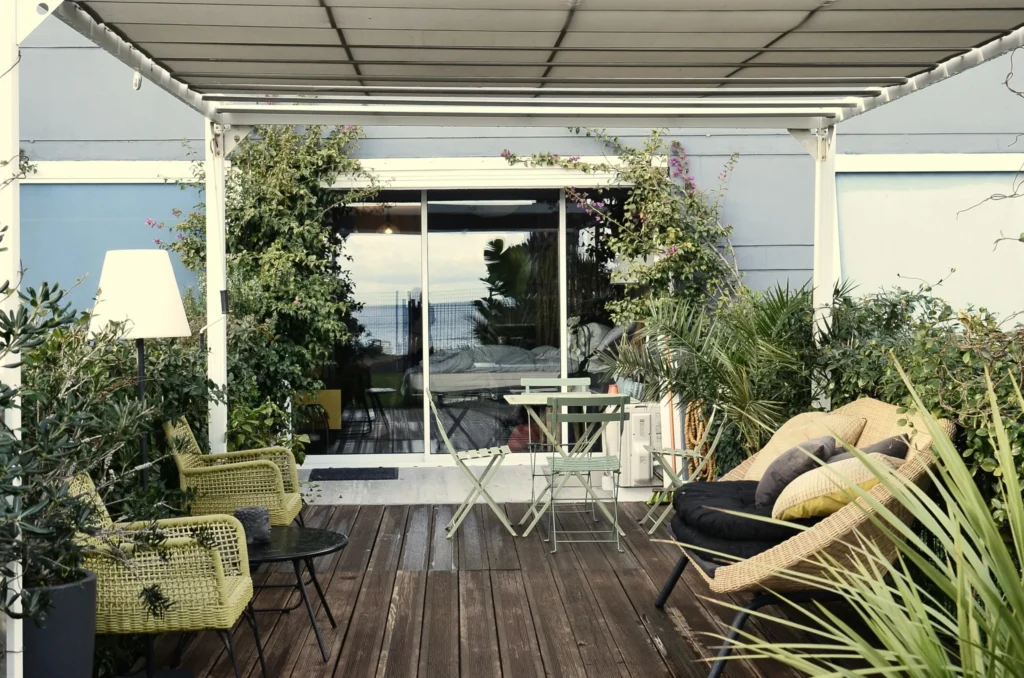
An outdoor kitchen turns a deck into an extension of your home by adding appliances, prep space, and organized service zones so cooking and entertaining happen outside. Proper layout and materials make the area a reliable gathering hub: dedicated work surfaces and integrated appliances reduce trips inside and improve circulation, which encourages more frequent outdoor use. Benefits include easier hosting, potential property value gains, and richer outdoor dining during Calgary’s warmer months.
Key benefits include:
- Entertaining efficiency: Better flow keeps hosts connected to guests.
- Lifestyle extension: Outdoor cooking adds useful living space in fair weather.
- Property appeal: A well-built outdoor kitchen is a high-impact upgrade.
Designing for Calgary means choosing weatherproof materials—stainless steel appliances, sealed stone or porcelain countertops, and durable cabinetry—and planning gas, electrical, and plumbing with freeze protection in mind. Proper drainage and breathable details prevent moisture damage through freeze-thaw cycles, and modular layouts (linear, L-shaped, island) let you stage the build in phases.
Below is a concise comparison of common outdoor kitchen elements to help homeowners weigh durability, maintenance, and Calgary suitability.
This table highlights trade-offs between function and upkeep so you can narrow material choices before locking in a layout.
Serenity Construction Ltd helps homeowners design outdoor kitchens that balance materials, permitting, and phased installation for Calgary’s climate. Their process emphasizes code compliance, certified installers, and hands-on project management to coordinate utilities and ensure long-term performance; request a free consultation for a site assessment and an estimate that scopes appliances, placement and permit needs.
What Are the Key Benefits of Adding an Outdoor Kitchen to Your Deck?
An outdoor kitchen converts a passive deck into an active social space by centralizing appliances and prep areas so hosts can cook and entertain without stepping inside. That convenience keeps guests involved and reduces interruption. Durable counters and covered prep zones protect finishes from Calgary weather and—when paired with overhead shelter or retractable awnings—help extend the season.
ROI depends on execution: well-chosen materials and professional utility work increase perceived value, while DIY or poorly weatherproofed installs can become maintenance drains. Regular upkeep—seasonal winterizing, plus cleaning for stone and stainless surfaces—preserves function and resale appeal. Knowing these operational details helps you match investment level to expected use.
Which Materials and Layouts Are Best for Outdoor Kitchen Decks?
Choose materials that resist moisture, UV and freeze-thaw cycles and remain suitable for food prep. Typical selections include stainless steel appliances, sealed stone or porcelain countertops, and weatherproof cabinet systems. Layouts range from linear runs for narrow decks, to L-shaped configurations that anchor a corner, to islands that create a social bar—each trades off footprint, accessibility and circulation.
Here’s a short EAV-style table comparing common material and layout attributes to guide your decision.
Materials and layout choices tie directly into utilities and permit requirements; they determine cost, durability and the options for integrated lighting or heating covered later.
What Are the Best Deck Fire Pit Ideas for Cozy Outdoor Spaces?
Fire pits and fireplaces create a focal point of heat, light and atmosphere that extends the usable evening hours of a deck. Choices range from portable above-deck bowls to built-in gas fire tables and masonry fireplaces—each varies in heat output, installation complexity and safety requirements. The main advantage is season extension: a properly designed fire feature can add months of comfortable outdoor use in Calgary.
When planning a fire feature think about how it interacts with your decking material, required clearances to combustibles, and whether it will be fixed or moveable. Local permits and inspection rules affect which fuel types and installations are permitted, and that in turn influences placement and any structural reinforcement needed. These considerations feed directly into safe layout planning and permit steps.
Common fire pit configurations include:
- Sunken seating around an in-deck fire pit: Offers sheltered, intimate conversation and wind protection.
- Built-in fire table adjacent to dining zones: Serves as a surface and a source of ambient heat for meals.
- Perimeter fireplace with bench seating: Frames an edge and anchors multi-level layouts visually.
Keep in mind: the best fire option balances looks with safety and local permitability.
How Do Fire Pits Enhance Ambiance and Usability of Custom Decks?
Fire features add sensory warmth—light, heat and sound—that make a deck feel like a destination for nights with friends or quiet evenings at home. Arranging seating in a radial pattern or pairing a fire table with a dining area encourages conversation and improves sightlines, making even small yards feel cozy. In Calgary, strong heat output and wind protection are especially valuable for stretching use into cooler months.
Material compatibility matters: non-combustible hearth pads, stone surrounds and metal rings work best with composite decking when paired with protective isolators or barrier systems. Carefully locating a fire feature—away from eaves, railings, or wind funnels—keeps people and structures safe, and planning for ash containment or proper gas venting cuts down on upkeep. These practical steps lead into the permit and safety checklist that follows.
What Safety and Permit Considerations Are Needed for Deck Fire Pits?
Fire pit safety depends on required clearances, surface protection, and adherence to local codes. Calgary-specific rules may limit fuel types, set minimum distances from structures, or require permits. Use this short checklist to prepare for a compliant installation and avoid costly retrofits.
- Clearance checks: Verify required distances from walls, railings and overhead projections.
- Surface protection: Use non-combustible pads or isolation systems for above-deck units.
- Fuel-specific requirements: Confirm approved gas connections, propane storage practices or wood-burning restrictions.
- Inspection and permitting: Find out whether your chosen installation needs a building permit or fire department review.
When unsure, consult a certified installer who can confirm permit triggers and clearances. Serenity Construction Ltd prioritizes code-compliant installs and can help with permit guidance and planning to ensure your fire feature integrates safely with the deck structure.
Why Choose Multi-Level Deck Construction for Your Calgary Home?
Multi-level decks use vertical separation to create distinct functional zones—dining, lounging, cooking—on properties with limited flat space or sloped terrain. Zoning activities across tiers improves circulation and reduces visual clutter, making yards feel larger and more intentional. On Calgary slopes, tiered decks preserve views and privacy while connecting outdoor rooms with stairs and integrated lighting.
Designing multi-level decks requires careful structural planning—stair layout, ledger connections and load distribution must match chosen materials—and smooth transitions to keep flow intact. The table below compares common multi-level approaches for Calgary use-cases.
How Do Multi-Level Decks Maximize Space and Create Distinct Zones?
Tiered decks create natural separations so a homeowner can have an outdoor kitchen on one level, a dining area on another, and a quieter lounge below—without adding square footage. Short stair runs and landings act as transitions, preserving sightlines and organizing circulation. Built-in lighting on risers and railings improves evening safety and atmosphere.
These zoning strategies support common entertaining flows and everyday family routines and let you add privacy screens or plantings to shield specific tiers. Thoughtful routing of utilities—electrical to an upper kitchen, gas to a fire feature, drainage planning—enables multi-feature functionality and reduces the need for later changes.
What Are the Design and Material Options for Tiered Decks?
Materials for multi-level decks balance weight, maintenance and aesthetics. Composite boards cut ongoing upkeep and offer consistent profiles for flush stair treads; pressure-treated wood costs less up front but requires regular staining or sealing in Calgary’s freeze-thaw climate. Railing choices—glass for uninterrupted views, cable for a modern feel, or metal for durability—shape openness and long-term care needs.
Decisions usually come down to lifecycle costs and structural loads: composite reduces annual maintenance but costs more initially, while wood is cheaper to buy and easier to alter. Structural design must also account for heavy features—hot tubs or masonry walls—on upper tiers, which we cover in the luxury amenities section.
What Luxury Deck Amenities Can Elevate Your Outdoor Living Experience?
Luxury amenities—hot tubs, integrated lighting and sound, built-in seating with storage, and media setups—turn a deck into a true outdoor room that supports relaxation, entertaining and year-round enjoyment. These features offer dedicated comfort zones, mood-controlled lighting, and storage solutions that hide clutter. Mechanically, some upgrades require structural reinforcement (hot tubs), upgraded electrical service (lighting and media), and careful moisture management to protect the deck over time.
Choosing luxury features depends on structural capability, visual cohesion and maintenance planning. Built-in seating with lift lids gives tidy storage; LED lighting provides energy-efficient ambiance; and hot tubs require load checks and electrical permitting. Prioritizing low-maintenance finishes keeps long-term enjoyment high and helps protect resale value.
Which Custom Features Like Built-in Seating, Lighting, and Hot Tubs Add Value?
Built-in seating organizes social spaces and often hides storage for cushions and gear, improving everyday usability. Low-voltage LED deck lighting increases safety and ambiance while using little energy; zoning and dimming let you set the mood. Hot tubs bring strong lifestyle appeal but require structural review, proper electrical work and privacy planning to be safe and durable.
Expect varied maintenance profiles: composite-built seating is low maintenance, LED systems need occasional checks, and hot tubs require routine mechanical care and winterizing. Comparing these needs to how often you’ll use each feature helps prioritize wisely.
How Does Serenity Construction Ltd Ensure Quality and Compliance in Luxury Decks?
Serenity Construction Ltd focuses on code-compliant installations, licensed trades, and proactive project management to deliver luxury deck features with reliable documentation. The company provides clear estimates and free consultations to evaluate site conditions, structural needs and permitting requirements before work begins. Local experience guides material choices for Calgary’s climate and ensures complex elements—hot tubs, masonry fireplaces—are integrated with the right reinforcement and electrical coordination.
This process reduces permit delays, clarifies maintenance expectations, and ensures certified trades handle specialized work. If you’re considering luxury upgrades, a free consultation from Serenity Construction Ltd gives a site assessment, permit guidance and a detailed estimate to plan scope and schedule.
How Do You Choose the Right Custom Deck Features for Your Calgary Home?
Picking the right features starts with a structured approach that balances budget, intended use, maintenance tolerance and permit realities. Begin by defining how you’ll use the deck daily and which seasons you need it to be functional. Check structural limits—can the deck support a hot tub or masonry element?—and weigh maintenance trade-offs between composite and wood. Local codes and permits often determine feasibility: fixed gas lines, major electrical work or heavy masonry will typically trigger inspections.
Use the checklist below to prioritize, then move into a staged design and permitting workflow to keep the project on track.
- Define primary uses: Will the deck be for family meals, cooking, lounging, or all of the above?
- Set a maintenance budget: Low (composite) versus moderate (sealed or stained wood).
- Check structural capacity: Verify support for heavy elements like hot tubs or masonry.
- Confirm permit triggers: Gas, plumbing, electrical and structural changes may require permits.
- Plan for utilities and drainage: Account for winterizing and runoff control up front.
This checklist clarifies priorities and the trade-offs between upfront cost and long-term upkeep, naturally leading to the professional consultation step that follows.
What Factors Should Influence Your Deck Feature Selection?
Feature selection should reflect budget, intended use, maintenance tolerance, local climate and resale goals—each factor affects materials and layout choices. If you value low upkeep and market appeal, composite decking and integrated lighting are sensible; if you prefer lower initial cost, pressure-treated wood plus a maintenance plan may work. Climate realities—freeze-thaw cycles, snow loads and UV exposure—influence finish choices, joint detailing and drainage strategy. Balancing these factors helps you choose features that fit daily life without creating excessive long-term work.
Practical compromises can help: choose durable countertops for an outdoor kitchen and avoid heavy built-in masonry if it would trigger complex structural upgrades. That keeps the design aligned with both lifestyle and budget.
How Can Professional Consultation Optimize Your Custom Deck Design?
A professional consultation delivers on-site evaluation, accurate load and utility reviews, permit guidance and realistic cost estimates that prevent surprises. During a visit, a certified installer assesses slope, access, existing structure and sun/wind exposure to recommend materials and feature placement. They’ll outline permit requirements and sequence construction to minimize disruption and ensure inspections happen at the right milestones.
Booking a free consultation with Serenity Construction Ltd gives homeowners a clear next step: a site assessment, permit guidance and a detailed estimate to begin planning. That professional input saves time, reduces code risks and produces a realistic timeline for design and construction based on your priorities.
Real Wood Versus Composite Decking: Comfort, Performance and Practical Trade-offs
Hosting summer gatherings and outdoor events often brings the question: “Which deck surface feels better and lasts longer?” While composite decking is praised for low maintenance, real wood still offers unmatched thermal comfort underfoot and a familiar natural look. Wood can be a durable, sustainable choice when sourced and maintained properly, and it often ages in a way many homeowners prefer. Composite products reduce routine upkeep and resist staining, but they carry their own lifecycle and environmental considerations. The best choice depends on how you use the space, your maintenance plan, and your sustainability priorities.
Frequently Asked Questions
What are the best materials for building a custom deck in Calgary?
Choose materials with durability and low maintenance in mind. Composite decking is widely chosen for its low upkeep and resistance to Calgary’s freeze-thaw cycles. Pressure-treated wood remains a cost-effective option for a traditional look but needs regular sealing or staining. Natural stone, aluminum railings and weather-rated cabinetry are good choices for specific features depending on the look and function you want.
How can I ensure my deck design complies with local building codes?
Start by checking Calgary’s building regulations for deck construction, including permit triggers, safety standards and structural requirements. Working with a professional contractor—such as Serenity Construction Ltd—helps ensure you understand the permits and inspection steps. Keeping open communication with local authorities throughout design and build reduces the chance of issues down the road.
What are the advantages of hiring a professional for deck construction?
Hiring a professional brings design expertise, knowledge of local codes, access to quality materials and reliable installation. Pros manage permits and inspections, coordinate trades, and deliver documentation that protects resale value. They also typically offer warranties and professional project management to keep timelines and budgets on track.
How do I maintain my custom deck throughout the year?
Ongoing maintenance includes regular cleaning, seasonal inspections and winter preparations. Composite decks usually need only occasional washing, while wood decks require staining or sealing every few years. Clear snow and ice promptly to avoid damage and check for loose boards, rusted hardware or other wear to address small issues early.
What are some creative design ideas for multi-level decks?
Ideas include tiered seating for eating and lounging, built-in planters to add greenery and privacy, and mixing materials or colors to define each level. A sunken fire pit with surrounding seating or a raised outdoor kitchen can create separate activity zones. Adding step and railing lighting improves evening usability and ambiance.
What should I consider when integrating a hot tub into my deck design?
Hot tubs are heavy and need proper structural support—confirm the deck can handle the filled weight plus occupants. Plan for electrical and water access, adequate drainage and winterizing. Consider privacy screening and access for service and maintenance when choosing the location.
Conclusion
Thoughtful custom deck features can transform your outdoor space into a comfortable, usable extension of your home. Calgary homeowners get the most value from elements that suit local climate and lifestyle—outdoor kitchens, fire pits, multi-level layouts and low-maintenance materials are common winners. By weighing benefits, costs and permit needs, you can make choices that fit your family and budget. Ready to move forward? Book a free consultation with our team to get a site assessment, permit guidance and a clear estimate to turn your ideas into a safe, code-compliant project.
Comments