


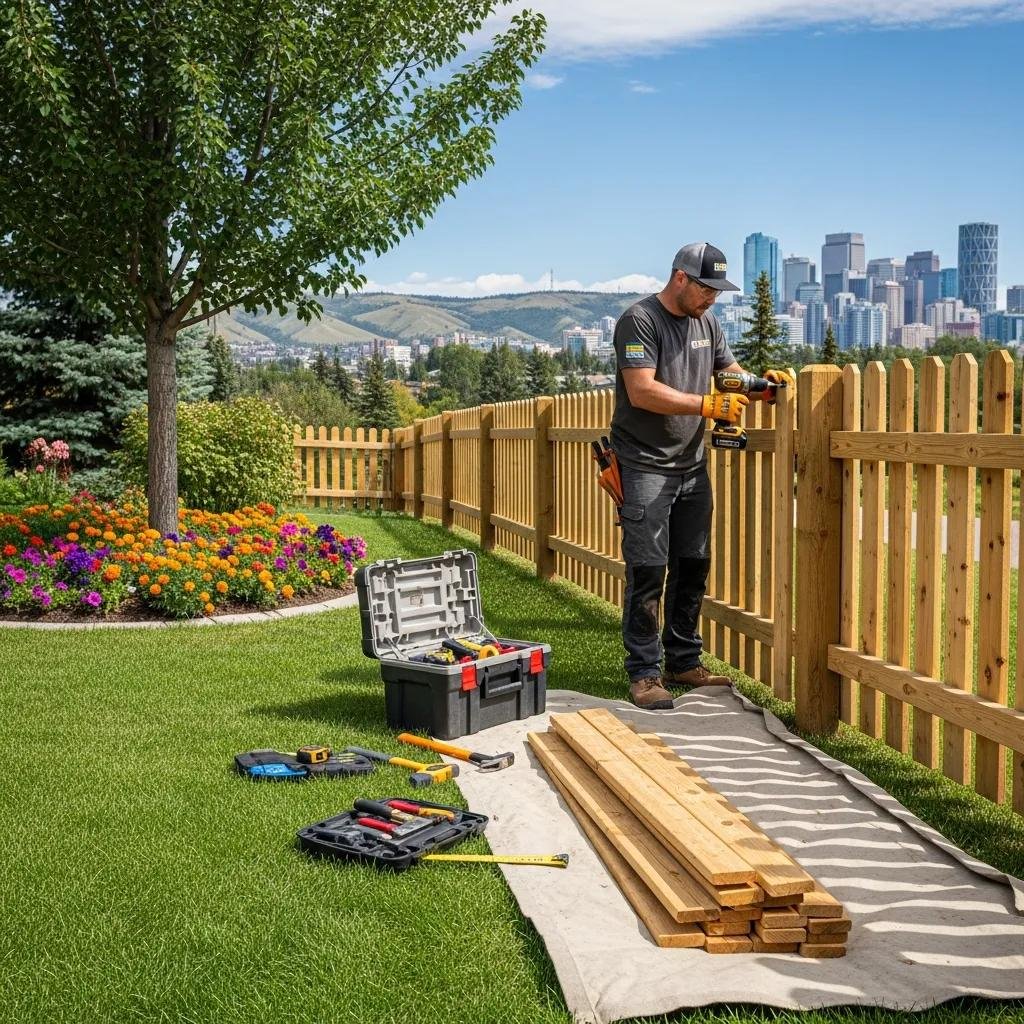

Elevate Your Calgary Home with Professional Fence Installation
Looking for dependable fence installation in Calgary? This guide walks homeowners from searching to choosing — explaining what professional fence installation really includes, how Calgary’s weather affects material choices, and how to budget and plan with reputable local contractors. You’ll learn how to vet Calgary fence pros, compare popular fence types like wood and vinyl, spot when permits are needed, and handle maintenance or repairs to extend a fence’s life. We include cost ranges and sample estimates, a clear permit checklist, a step-by-step installation overview from consultation to final walkthrough, and practical maintenance tips tailored for Calgary conditions. The goal is practical guidance so you can confidently find a fence installer that meets your needs and follows local codes and warranties.
Why Choose Professional Fence Installation Services in Calgary?
Hiring a professional means design that fits your yard, construction built to last, and compliance with local rules — all of which protect your property, privacy, and investment. Local contractors know how Calgary’s freeze-thaw cycles and high winds affect post depth, footing method, and material selection, so they build to reduce repairs and increase longevity. Professionals also manage permits, provide warranties, and carry insurance, which saves you time and limits your liability. Finally, experienced teams offer clear, itemized estimates and use reliable materials and hardware so the finished fence meets neighbourhood rules and homeowner expectations.
Here are the main advantages of hiring a pro for fence installation in Calgary and what you should expect from an experienced installer.
- Local climate know-how: construction and materials chosen to resist frost heave and UV damage.
- Permits and code compliance handled to avoid delays and failed inspections.
- Workmanship warranties and insurance to protect against installation defects and accidental damage.
- Clear, itemized estimates that separate labor from materials and reduce budget surprises.
- Custom design and project management to meet privacy, security, and aesthetic goals.
For many homeowners these benefits make professional installation preferable to DIY. Next, learn how to confirm a contractor’s reliability and local experience.
What Makes Calgary Fence Contractors Reliable and Experienced?
Dependable Calgary contractors show proof of licensing and insurance and back their work with a portfolio of past projects that prove they can build for local conditions. A trustworthy installer will share references, before-and-after photos of cedar, pressure-treated, or hardwood fences, and clear explanations of construction details like post depth and concrete footings. Experienced crews also handle gate hardware, site prep, and removal or replacement of old fencing while planning for challenges such as slopes or buried utilities. Asking for insurance documents and examples of similar jobs helps you separate licensed professionals from casual installers and set expectations for workmanship.
Next, we’ll explain how Calgary’s climate guides the material and construction choices contractors make to keep fences durable.
How Does Local Climate Influence Fence Material and Construction Choices?
Calgary’s weather — cold winters, freeze-thaw cycles, strong winds, and intense seasonal UV — directly shapes which materials and methods last longest. For wood fences that means deeper post holes and frost-protected footings to prevent heave, plus finishes like stain and sealant to slow moisture and UV damage. Vinyl is low-maintenance but needs proper anchoring and wind-resistant detailing to prevent panel flex during storms. Picking the right material and construction approach balances looks, lifetime costs, and site specifics like slope, drainage, and nearby structures.
Those climate-driven choices lead into the types of fence services local contractors typically offer, which we cover next.
What Types of Fence Installation Services Are Available in Calgary?
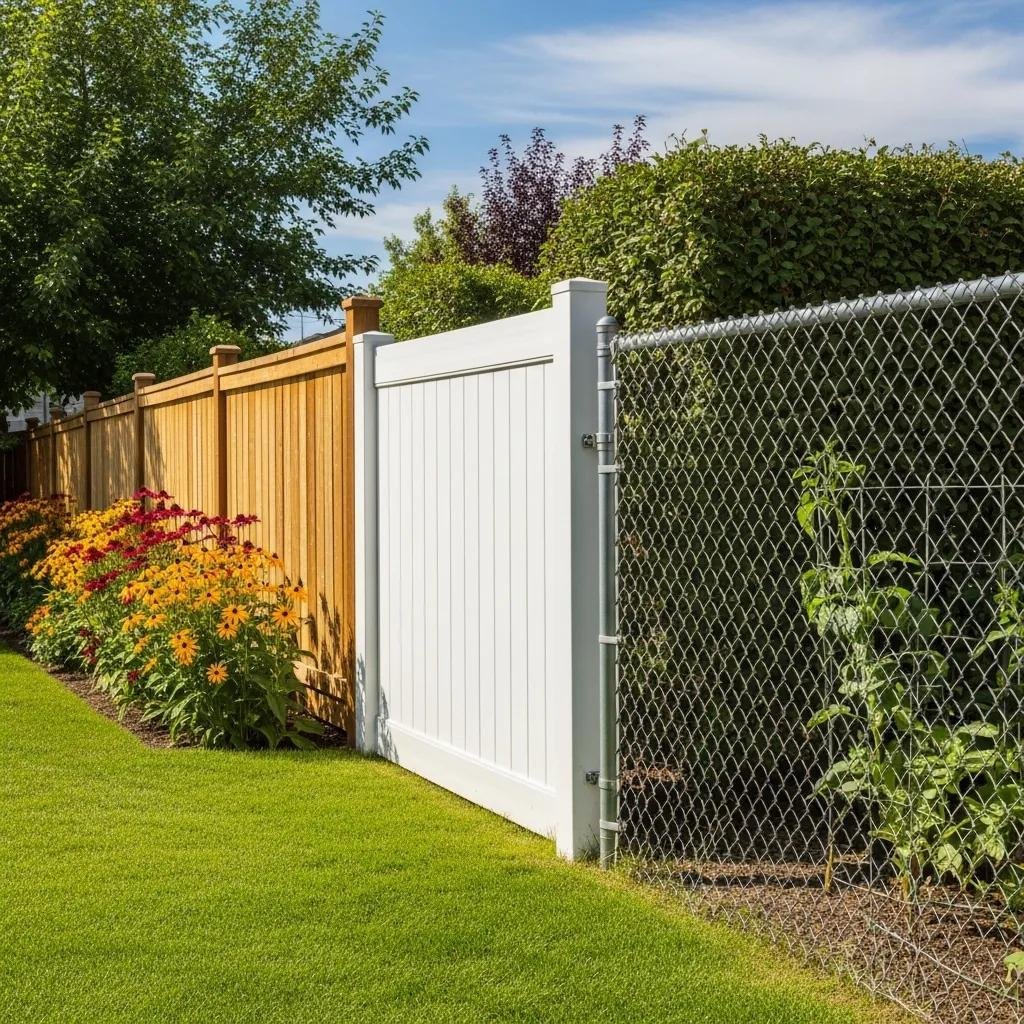
Calgary homeowners can choose from a range of fence installation services focused on privacy, security, appearance, and maintenance. Contractors commonly build custom wood fences in cedar, pressure-treated wood, or hardwoods for a natural look and strong privacy. Vinyl or PVC options appeal to those wanting low upkeep, while chain link is a cost-conscious choice for security or pet containment. Many installers also provide gate installation and hardware, fence removal and replacement, repairs, and site-specific work such as post-hole excavation and grading.
Use the short comparison below to weigh common fence types and pick the right fit for your yard and goals.
This table helps you compare durability, upkeep, and looks as you choose a fence type. When selecting a contractor, ask to see their portfolio and request a free estimate to view real examples of materials and finishes.
How Do Wood Fence Installations Enhance Privacy and Durability?
Wood fences deliver strong privacy and flexible styling, and they’re durable when built with the right materials and maintained regularly. Cedar resists decay and has an attractive grain, making it a top choice for privacy panels and decorative finishes. Pressure-treated wood is a budget-friendly option with improved rot resistance when sealed. Hardwoods like oak last longer in high-wear spots but may need specialty fasteners and finishes. Regular upkeep — staining, sealing, and replacing damaged posts — extends life, and contractors can recommend maintenance intervals based on exposure and local conditions.
Next we’ll compare vinyl and other privacy-focused systems for homeowners who prefer lower maintenance.
What Are the Benefits of Vinyl and Privacy Fence Options?
Vinyl and privacy fence systems appeal to homeowners who want minimal seasonal upkeep while maintaining a consistent appearance. Vinyl resists rot and insects and generally just needs occasional cleaning rather than staining, and many manufacturers offer material warranties for color and structural integrity. Privacy fence designs — in wood or vinyl — use full-height panels and secure posts to limit visibility and reduce noise transfer, but they must be engineered for wind resistance on exposed lots. Vinyl can cost more up front than basic wood but often reduces lifetime maintenance work and preserves curb appeal.
After you’ve thought about types and materials, cost is usually the next question. The section below gives typical pricing ranges and sample totals to help you budget.
How Much Does Fence Installation Cost in Calgary?
Fence costs in Calgary vary by material, length, terrain complexity, and gate/hardware needs. Use the per-linear-foot ranges below as a practical starting point for budgeting. Key cost drivers include material grade, excavation and footing labor, gate hardware, removal of old fencing, and any permit fees. The table shows average per-linear-foot ranges and sample totals for common project lengths.
This table lists average ranges and a sample 100 ft project cost to help you estimate budgets for 50, 100, or 150 ft runs.
These figures are a realistic starting point — final quotes should reflect site specifics such as slopes, gates, and permit fees. The following section explains the variables that most affect pricing and how to read estimates.
What Factors Affect Fence Installation Pricing in Calgary?
Several factors change the final price for a fence in Calgary. Material choice is a major driver: premium hardwoods and high-grade vinyl cost more up front but can lower future maintenance. Site conditions like steep slopes, rocky soil, or required retaining structures increase labor and equipment needs. Additional features — gates, decorative caps, specialty hardware — add cost, as do permit fees and removal of existing fences. Accessibility for crews can also affect the estimate, so ask contractors for itemized quotes that separate labor, materials, and permit handling.
Knowing these variables helps you get accurate, comparable estimates from local contractors, which we explain next.
How to Get Accurate Free Estimates from Local Fence Contractors?
To get dependable free estimates, come prepared with measurements, photos, and notes about site conditions and your material preferences. Give contractors a clear scope — total length, gate locations, desired height, and finish — so quotes can be itemized and compared. Contractors usually verify measurements on site and assess post depths, obstructions, and access. Request a written quote that lists material grades, labor assumptions, whether permits are included, and warranty terms. Confirm if the contractor will handle permit submission and inspections. Comparing multiple itemized quotes and checking portfolios and references helps ensure the price matches the expected quality.
After cost and estimates, homeowners need to know when permits are required in Calgary and how pros manage applications.
What Are the Calgary Fence Permit Requirements and How Are They Handled?
Permit rules in Calgary depend on fence height, location (front vs. rear yard), and whether a retaining wall or public right-of-way is affected. Experienced contractors streamline compliance to prevent delays. They prepare permit-ready drawings, complete applications, and liaise with city offices to schedule inspections, ensuring designs meet setback, sightline, and height rules. Use the quick-reference table below to identify likely permit needs, then verify with local authorities for final confirmation.
The following table is a general reference for common yard scenarios and typical permit triggers; always check with the municipality to confirm requirements.
This summary helps you anticipate permit needs. The next subsection explains when a permit is typically required and how contractors manage the paperwork.
When Is a Fence Permit Required in Calgary?
A permit is usually needed when proposed fence heights exceed municipal thresholds, when retaining walls are part of the design, or when the fence affects public rights-of-way or sightlines at intersections. Permits can also be required for commercial projects or fences with electrical components or unusual structures. Rules vary by neighbourhood and lot configuration, so contractors recommend confirming specifics with the city. Professionals prepare drawings and supporting documents to make the application straightforward and avoid costly redesigns once construction begins.
Understanding permit triggers leads naturally to how professional contractors manage the paperwork and inspections on behalf of homeowners. How Do Professional Contractors Manage Permit Applications and Code Compliance?
Professional contractors prepare scaled drawings, site plans, and specifications for permit submission, then file applications and follow up with municipal offices to secure approval before work begins. They factor code requirements — maximum heights, corner sightlines, and setbacks — into designs to reduce the risk of non-compliance. During construction, contractors coordinate inspections and address any feedback, documenting compliance as part of project closeout. Hiring a contractor who handles permits reduces stress, ensures legal adherence, and often speeds the project by avoiding permit rejections.
With permits and costs covered, the next section explains the typical installation process so you know what to expect from consultation through completion.
What Is the Typical Fence Installation Process with Calgary Contractors?
Fence installs generally follow predictable stages: consultation, design, permitting, installation, and final walkthrough. A first visit confirms scope, measurements, material preferences, and site challenges, followed by a written proposal and itemized estimate. After you approve selections, contractors apply for permits while scheduling crews and ordering materials. Once permits are approved, crews excavate post holes, set footings, install posts and panels, hang gates, and finish details. A final inspection and homeowner walkthrough verify the work and include warranty documents and maintenance guidance.
Here’s a simple step-by-step list so homeowners can track progress and ask informed questions during their project.
- Consultation and site assessment to confirm scope and conditions.
- Written proposal and itemized estimate covering materials and labor.
- Permit submission and approval, if required, before construction starts.
- Installation: excavation, footings, post setting, panel installation, and gate hanging.
- Final walkthrough, inspection, and delivery of warranty and maintenance information.
This process sets clear expectations for timeline and deliverables. The next subsection explains common milestones from consultation to completion.
What Steps Are Involved from Consultation to Completion?
During the consultation, contractors verify measurements, identify obstacles, and discuss style and material choices before delivering a written estimate with options. After you accept a proposal, contractors prepare permit drawings (when needed), submit applications, order materials, and schedule crews. Installation follows approved plans: post excavation, concrete footings, leveling and plumb checks, panel attachment, and gate installation, with quality checks at key points. The job finishes with a walkaround to complete punch-list items and hand over workmanship warranties and maintenance recommendations.
Once timeline and milestones are clear, you’ll want to know how contractors manage quality control and warranty support.
How Do Contractors Ensure Quality and Warranty on Fence Projects?
Good contractors use trained crews, inspect materials on delivery, and perform staged workmanship checks during installation to catch issues early. They distinguish material warranties (manufacturer defects) from workmanship warranties (installation errors) and give homeowners clear documentation on coverage and claim steps. Post-install walkthroughs confirm gate operation and hardware condition, and reputable firms advise on maintenance intervals to protect warranty validity. Ask specific questions about warranty length, exclusions, and response times to assess a contractor’s accountability and long-term support.
To help you turn this guidance into a resilient fence, the final H2 covers maintenance and repair best practices.
At this point, homeowners looking for contractors who offer these assurances may consider local providers such as Serenity Construction Ltd in Calgary. They provide consultation, custom residential fencing, gate installation, fence removal/replacement, repairs, and free estimates, and handle permit paperwork while representing themselves as licensed and insured. For a free estimate or to review a local portfolio, contact Serenity Construction Ltd at (403) 471-8100 or by email at yycdecks@gmail.com.
How Can You Maintain and Repair Your Fence After Installation?
Regular maintenance and timely repairs keep fences working and looking good longer by addressing weather wear, hardware issues, and ground movement before they get worse. Seasonal checks should include post stability, fastener tightness, gate alignment, and finish condition for wood; vinyl fences benefit from cleaning and inspections for cracks or loose rails. Fixing small problems — replacing a rotted post section or tightening hinges — costs far less than full panel replacement and preserves structural integrity. Contractors handle repairs like post and footing replacement, panel swaps, gate realignments, and refinishing so the repair matches the existing fence.
Use this practical maintenance checklist to keep your fence in good condition and to know when to call a pro.
- Inspect posts and footings annually for rot, heave, or looseness.
- Clean vinyl panels once a year and rinse off debris to maintain appearance.
- Tighten fasteners and check gate hardware for alignment and smooth operation.
- Re-stain or seal wood fences every 2–3 years depending on exposure and finish condition.
Following these routine steps prevents small issues from becoming major repairs and makes it clear when a contractor’s help is needed.
What Are Common Fence Repair Services Offered by Calgary Contractors?
Common repair work includes replacing frost-damaged or rotted posts and footings, fixing or swapping panels damaged by impact or decay, and realigning or rehanging gates with new hardware. Contractors also offer staining or sealing to refresh wood and protect against moisture and UV damage, and they can match finishes for localized repairs. Watch for leaning sections, loose rails, sagging gates, or visible rot — these signs mean it’s time to schedule repairs before the damage spreads. Professional crews have access to matching materials and the right equipment to restore structural integrity efficiently.
These repair services support preventative maintenance that extends fence life and lowers long-term costs.
How to Maintain Wood and Vinyl Fences for Longevity?
Wood fences do best with annual inspections, cleaning, and a fresh stain or sealer every two to three years to repel moisture and UV damage that speed decay. Keep an eye on fasteners and hardware and replace corroded elements promptly; fix or replace individual boards and posts at the first sign of rot. Vinyl fences need periodic cleaning with a mild detergent to remove dirt and mildew and should be inspected for cracked panels or loose rails after high-wind events. A simple seasonal routine — check in spring after thaw and again in fall before freeze — will keep fences performing well and help preserve warranty coverage when applicable.
These maintenance practices complete your roadmap from choosing materials to ensuring long-term performance and show where professional help makes the most sense.
After a well-managed installation you should have clear documentation of materials, warranty terms, permit approvals, and maintenance recommendations so your fence continues to protect privacy, boost curb appeal, and add value to your property.
Frequently Asked Questions
1. What should I consider when choosing a fence type for my Calgary home?
Think about your main goals — privacy, security, or curb appeal — plus Calgary’s climate and how much maintenance you’re willing to do. Wood gives a natural look and privacy but needs upkeep; vinyl is low-maintenance; chain link is economical for security. Also factor in your budget, site conditions (slope, soil), and any neighbourhood rules. A local contractor can advise on what performs best for your lot.
2. How can I verify the reputation of a fence contractor in Calgary?
Check online reviews and ratings (Google, local directories), ask for references, and review portfolios of completed projects. Confirm the contractor is licensed and insured to protect you from liability. Talk directly about similar projects they’ve completed and how they handle timelines, permits, and warranties to judge reliability.
3. What are the common mistakes to avoid during fence installation?
Common mistakes include setting posts too shallow, skipping permit checks, and choosing materials that aren’t suited for Calgary weather. Poor site prep — not clearing debris or addressing drainage — also causes problems. Work with professionals to ensure correct post depth, proper footings, and code compliance.
4. How often should I perform maintenance on my fence?
Maintenance depends on material: wood should be inspected annually and cleaned and stained or sealed every 2–3 years; vinyl generally needs a yearly clean. Regularly check for loose fasteners, damaged panels, or signs of rot, and address issues quickly to extend the fence’s life.
5. What are the signs that my fence needs repairs?
Signs include visible rot or decay in posts or panels, leaning sections, sagging or sticking gates, and loose rails. For vinyl, watch for cracks or loose connections. Inspect after severe weather to catch damage early and arrange repairs before problems worsen.
6. Can I install a fence myself, or should I hire a professional?
DIY is possible for simple projects, but hiring a pro is often wiser in Calgary’s climate. Professionals bring experience with materials, local codes, and installation techniques, and they handle permits and inspections. If you choose DIY, be sure you have the right tools, know the local rules, and can follow proper installation methods.
7. What warranties should I expect from a fence contractor?
Expect two warranty types: material warranties (from manufacturers for defects) and workmanship warranties (from the contractor for installation). Warranty lengths and terms vary, so ask contractors for written details on coverage, exclusions, and how to file a claim. A reputable contractor will provide clear warranty documentation.
Conclusion
Choosing professional fence installation in Calgary gives you a durable, code-compliant solution built for local conditions. Relying on experienced contractors helps you avoid costly mistakes and enjoy a long-lasting fence that improves privacy and curb appeal. When you’re ready, reach out to local installers for a personalized consultation and a free estimate — it’s the best way to find the right fence for your home.
Comments