




Proven Tips for Hiring a Trusted Calgary Exterior Contractor
Hiring a trusted exterior renovator in Calgary starts with knowing the risks homeowners face here — hail, freeze‑thaw cycles, and short construction seasons all change how projects need to be done. This guide walks you through practical, Calgary‑specific steps: how to vet contractors, check credentials and insurance, evaluate portfolios and reviews, plan a realistic scope and budget, choose materials built for our climate, manage City of Calgary permits and codes, and draft contract terms that protect you. If you’re asking how do i choose a reliable exterior renovation contractor in calgary or searching for licensed and insured exterior renovators Calgary, this article gives clear questions, checklists, and comparison points so quotes are comparable and enforceable.
What credentials and licences should a reliable Calgary exterior renovation contractor have?
A dependable exterior renovation contractor in Calgary should show verifiable business registration, current general liability insurance, and WCB (workers’ compensation) coverage. These documents reduce your liability and prove the contractor understands local rules. They also show the contractor can cover site damage or injuries — missing coverage can leave you with unexpected costs. Below we explain the Calgary‑specific paperwork, how to read insurance certificates, and provide a quick verification table you can use when comparing bids.
Before the table, use this short checklist to prioritise what to request when vetting credentials. Each item explains what it proves and why it matters.
- Request the contractor’s business registration and trade licence to confirm they operate legally.
- Ask for a current general liability insurance certificate showing coverage limits and expiry.
- Verify WCB clearance or equivalent documentation so workers are covered on your site.
- Request written warranty terms and manufacturer warranty details for products they’ll install.
- Confirm trade‑specific certifications or association memberships that show formal training.
This checklist focuses your first conversations and supports document checks at estimate time.
Keep copies of these documents in your project file to prevent disputes later. After you verify credentials, move on to inspect insurance wording and warranty structure so you spot red flags before signing.
Which Calgary‑specific licences and certifications are required?

Expect contractors in Calgary to operate under a registered business name and to hold provincial or local trade certifications when work affects structures or requires specialized skills. Typical items to request include carpentry or siding trade certificates and proof of municipal registration where required. Ask for the certification name, issuing authority, and current status — if a contractor can’t produce verifiable documentation, treat that as a red flag. Keeping these records on file smooths permit applications and shows the contractor understands City of Calgary expectations. Comparing bids on qualifications, not just price, leads to better outcomes.
How to verify a contractor’s insurance and warranty coverage?
Verify insurance and warranties by asking for the certificate of insurance and reading it for policy number, insurer name, coverage limits, and expiry date. Confirm the limits are adequate for your project and check the wording about property damage. For warranties, request written terms that separate workmanship guarantees from manufacturer warranties and explain how claims are handled. Watch for vague warranty language, refusal to provide documents, or insurance listed to an individual rather than a business. Once insurance and warranty paperwork checks out, the next step is to evaluate experience through reviews and portfolios.
How can you evaluate experience through reviews, references, and portfolios?
Assessing a contractor’s experience means reading several signals together — detailed reviews, verifiable references, and a solid project portfolio. Reviews show how a company manages timelines and communication; references let you confirm outcomes on similar projects; and portfolios reveal material choices suited to Calgary’s hail and freeze‑thaw risks. Screen online ratings for recent patterns, ask for references for comparable work, and look for before‑and‑after evidence and material callouts in portfolios. The checklist below lists five practical signs to prioritise.
- Seek recent, specific reviews that mention timelines, communication, and problem resolution.
- Request references for projects with similar scope and climate challenges.
- Examine portfolios for consistent quality, before‑and‑after photos, and material notes.
- Look for case studies or testimonials describing real project outcomes.
- Check how the company responds to complaints or negative feedback to judge responsiveness.
Use these indicators together — then inspect portfolios up close to confirm whether the contractor’s work matches your durability and finish expectations.
When reviewing portfolios, focus on practical proof of workmanship and local know‑how: clear photo angles, labelled materials, and captions that mention weather resilience. A strong portfolio includes close‑ups of flashing, joints, and fastenings, plus notes about impact‑resistant siding or energy upgrades. If a gallery lacks detail, ask for case studies or reference contacts. Seeing recent completed work in person or getting in‑depth project notes reduces uncertainty. After this step you’ll be ready to plan scope, budget, and timing for your renovation.
Local firms often make their proof easy to review — for example, Serenity Construction Ltd keeps a project gallery and client testimonials that show the types of exterior projects common in Calgary. Use a contractor’s gallery and testimonial summaries as models for the evidence you should request during interviews and site visits.
What should you look for in customer reviews and testimonials?
Reviews and testimonials reveal patterns — communication, punctuality, quality, and how problems were handled — that a single rating can’t show. Prioritise reviews that reference similar projects and specific outcomes, like meeting schedules or handling change orders. Note how the contractor replies to criticism; timely, professional responses signal accountability. Avoid over‑valuing very old or generic praise; instead, favour detailed accounts that mention materials, weather performance, and aftercare. Cross‑check testimonials with portfolio photos or reference contacts to confirm accuracy.
How to assess a contractor’s project portfolio for quality and local expertise?
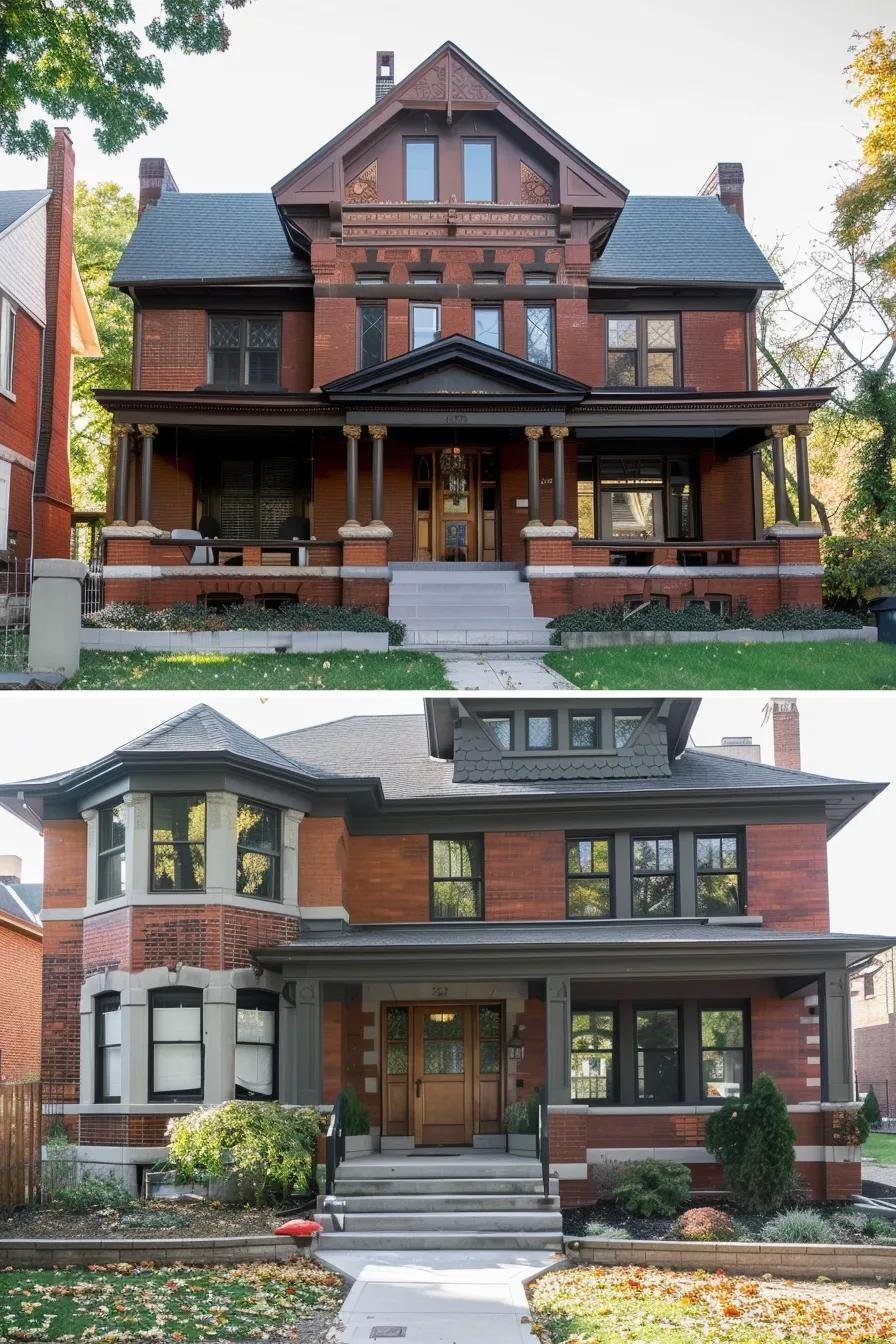
When assessing a portfolio, look for variety in project types, evidence of durable material choices for Calgary, and captions that explain technical choices — photos alone can hide workmanship issues. Seek before‑and‑after sequences, close‑ups of flashing and joints, and notes on materials such as impact‑resistant siding or composite decking. Portfolios that mention solutions for hail, freeze‑thaw cycles, or improved energy performance point to local expertise. If detail is missing, ask for case studies or reference contact information to validate the work.
What are the key steps to planning your exterior renovation project in Calgary?
Planning a Calgary exterior renovation starts with a clear scope, a realistic budget with contingency, scheduling around seasonal constraints, and choosing materials suited to local risks. Write a detailed scope so bids are comparable, attach a budget range that includes material upgrades and a contingency for unexpected repairs, and schedule around Calgary’s short construction season and hail windows. Early permit planning and inspection scheduling reduce delays. The steps below convert homeowner goals into contractor‑ready documents.
- Define deliverables, finishes, and exclusions in a written scope of work.
- Obtain at least three comparable bids using the same scope to identify outliers.
- Set a contingency fund (commonly 10–20% of the budget) for unforeseen conditions.
- Schedule work to avoid high‑risk weather periods and align with permit lead times.
- Confirm contractor payment milestones and change‑order procedures in writing.
These steps make bids comparable and help reduce surprises; the table below compares common exterior projects with typical cost ranges, durations, and permit needs to guide early budgeting.
Intro: The table below summarises typical exterior projects with approximate cost ranges, durations, and whether permits are commonly required to help set homeowner expectations when comparing bids.
Use this as a starting point for budgeting and timeline planning; next, choose materials that match Calgary’s climate and your performance goals.
How to define project scope, budget, and timeline effectively?
Make quotes comparable by listing deliverables, finish standards, materials, and exclusions in your scope. Include measurable items — paint brand, siding profile, deck board species or composite type, fastening details — and note exclusions like landscaping reinstatement. For budgeting, use the table above as a baseline and add contingency for hidden rot or structural issues. Ask contractors for a phased schedule with milestones and factor in permit turnaround and material lead times. Clear scope and timeline language helps hold contractors accountable for delays and scope creep.
Which exterior materials are best suited for Calgary’s climate?
In Calgary, prioritise impact resistance, moisture management, and thermal performance. Hail and rapid temperature swings mean impact‑rated siding and composite decking often outperform untreated wood over time. Insulated vinyl or fibre‑cement siding can boost energy performance and resist freeze‑thaw damage. Balance upfront cost against long‑term maintenance and lifespan. The table below compares common materials against attributes relevant to Calgary to guide your selection.
This comparison highlights trade‑offs between cost, maintenance, and climate performance; choosing the right materials reduces long‑term repairs and supports energy goals.
What permits and building codes must you know for exterior renovations in Calgary?
Knowing Calgary’s permit and code triggers is critical: many exterior projects require permits depending on height, structural changes, or envelope work. Noncompliance can lead to fines or removal of work. Common triggers include decks above certain heights, changes to structural framing, and alterations to exterior walls that affect egress. Knowing inspection points, required documents, and typical timelines before work begins helps avoid costly stoppages. The checklist below summarises common permit triggers and code items to review with your contractor.
- Decks above specific height thresholds or attached to the main structure commonly require permits and structural plans.
- Siding and window work that alters sheathing, headers, or openings can trigger permit requirements.
- Guardrail and handrail height, stair rise/run, and structural support changes are frequent code inspection points.
- Work that changes egress paths or fire separations requires explicit code compliance and inspections.
- Contractors should provide permit application documents, drawings, and coordinate inspections as part of their service.
Use this list to confirm whether your project needs a permit; the next subsection explains practical steps for navigating Calgary’s regulations.
Which permits are required for common exterior projects like decks and siding?
Permits are often required for decks above set height thresholds, structural work on exterior walls, and when window or door openings are enlarged. Decks typically trigger permits based on height above grade and whether they attach to the house — have your contractor document elevations and structural details. For siding and window work, permits may be needed if sheathing, headers, or lintels are altered rather than a like‑for‑like replacement. Ask your contractor to confirm permit needs in writing and include permit costs and expected timelines in the written estimate to avoid surprises.
How to navigate Calgary’s building codes and regulations?
Start by asking your contractor for a clear permit plan listing required drawings, inspection milestones, and who’s responsible for submissions. Confirm who will be the applicant, how inspections are scheduled, and insist on copies of permit approvals and inspection sign‑offs for your records. If a contractor can’t explain or won’t handle submissions, that’s a red flag. Keep a project folder with permit documents and inspection reports to protect you during resale or warranty claims.
What questions should you ask potential exterior renovation contractors in Calgary?
Asking targeted questions protects you from common risks by clarifying licensing, insurance, timelines, subcontracting, and payment terms. Bring an interview checklist that covers credentials, communication expectations, contract specifics, and warranty commitments so answers are directly comparable. Use the question set below in contractor meetings — favour specific, verifiable answers over vague promises.
- Are you licensed and insured for exterior renovations, and can you provide current certificates?
- Do you carry WCB coverage for your crew, and can you supply clearance documentation?
- Who will be the primary contact, and what is the expected response time during the project?
- How do you price change orders, and what is the approval process for additional work?
- What are your payment milestones, and will you provide lien releases upon payment?
- Can you provide references for projects like mine and a recent project gallery?
- What warranties do you offer for workmanship and installed products, and how are claims handled?
- Who handles inspections and permit submissions, and will you supply permit documentation?
After this interview, require written contract language that reflects the answers and enforces protections.
Which communication and contract details ensure transparency and trust?
Clear communication and contract detail come from a single point of contact, documented response times, and a contract that spells out scope, schedule, payment milestones, and a formal change‑order process. Ask to see a contract template up front and confirm it specifies materials, brands, finish standards, and cleanup responsibilities. Request regular status updates at agreed milestones and insist on a documented dispute resolution path. Contracts that include start and completion dates and acceptance criteria give homeowners leverage if standards aren’t met.
How to confirm warranty and post‑project customer service?
Confirm warranties by requesting written documents that separate workmanship guarantees from manufacturer warranties and outline a clear claims process, response timelines, and remedies. Ask contractors how quickly they typically respond to warranty issues and whether they keep parts or a service team for follow‑up. Check whether warranties are transferable and note any exclusions. A sample warranty and aftercare protocol give you confidence that issues will be handled after completion.
How does Serenity Construction Ltd demonstrate trust and quality in Calgary exterior renovations?
Serenity Construction Ltd highlights homeowner‑focused trust signals: family ownership with direct involvement, transparent itemised estimates, predictable turnarounds, photo galleries, and client testimonials. These elements lower homeowner risk by combining local accountability with clear evidence of workmanship on siding, decks, stairs, and window and door work. When comparing contractors, look for the same documentation — clear galleries, written estimates, and testimonial summaries that address timelines and quality. Below are concise value propositions and verification steps homeowners can use when evaluating any local firm.
- Family‑owned business model: accountability and direct owner involvement.
- Upfront estimates: written, itemised pricing that helps compare bids and reduces surprises.
- Project gallery: photographic proof of completed work showing material choices and finishes.
- Testimonials: customer statements that highlight timelines and satisfaction with results.
- Calls to action for free estimates or consultations to start the process with no obligation.
These signals make contractor behaviour and outcomes more transparent; next, see how Serenity’s estimate and scheduling workflow is presented as homeowner‑friendly.
What unique value propositions set Serenity Construction Ltd apart?
Serenity Construction Ltd stresses family ownership, upfront estimates, quick turnarounds, and visible proof via galleries and testimonials. Family ownership often means a consistent point of contact and direct accountability. Itemised estimates make comparisons straightforward, and galleries and testimonials provide both visual and narrative evidence of work on projects like siding and decks. Ask any contractor for the same documentation and verify gallery entries against references or project notes.
How does Serenity Construction Ltd ensure quick turnarounds and upfront estimates?
Serenity uses a simple homeowner workflow — initial inquiry, site visit, written estimate, then scheduling — to offer predictable timelines and transparent pricing. Capturing site conditions at the site visit, documenting scope in the estimate, and aligning materials and labour schedules reduces delays. Confirm expected start dates, key milestones, and the contractor’s communication cadence in writing. A free consultation or estimate helps you compare realistic timelines and costs across bidders without obligation.
This company section shows how a local contractor can package trust signals and operational clarity; the final step is to use the earlier checklists and contract language when requesting a free consultation or estimate.
Frequently asked questions
What are the common red flags to watch for when hiring an exterior renovation contractor?
Watch for missing licences or insurance, vague contract language, refusal to provide references or a portfolio, high‑pressure sales tactics, and large upfront payment demands without a clear schedule. If a contractor feels evasive or unreliable during vetting, keep looking — it’s better to wait for a contractor you trust.
How can I ensure my contractor adheres to building codes and regulations?
Ask for a clear permit plan and examples of similar projects that required permits. Confirm who will apply for permits and how inspections are scheduled. Keep copies of permit approvals and inspection sign‑offs, and consider an independent inspector if you want extra assurance.
What should I include in my renovation contract to protect myself?
Your contract should detail the scope of work, materials and brands, timelines, payment schedule, warranty terms, change‑order procedures, dispute resolution, and remedies for missed deadlines. A thorough contract provides a clear framework for accountability.
How can I assess the quality of materials proposed by my contractor?
Request material specifications (brand, product line, performance ratings), look at samples, and review completed projects that used the same materials. Research product reviews and ask the contractor to explain maintenance needs and expected lifespan for each option.
What are the benefits of hiring a local contractor for my renovation project?
Local contractors know Calgary codes, climate challenges, and community standards. They often have supplier relationships that help with pricing and timelines, and they tend to protect their local reputation with better service and follow‑up.
How can I prepare for unexpected issues during my renovation project?
Set aside a contingency budget of 10–20% for unforeseen expenses, discuss likely risks with your contractor up front, and confirm their process for handling surprises. Regular check‑ins help catch problems early and reduce schedule impacts.
What steps can I take to ensure a smooth communication process with my contractor?
Agree on a primary contact and expected response times, schedule regular updates, and use written records for important decisions. An open, documented communication routine keeps the project on track and minimizes misunderstandings.
Conclusion
Choosing a trusted exterior renovation contractor in Calgary pays off in durability, code compliance, and fewer surprises. Verify credentials, evaluate experience, and plan scope, budget, and permits before you sign. When you’re ready, reach out for a free consultation or estimate — armed with the checklists and questions in this guide, you’ll be able to compare bids confidently and pick a contractor you can trust.
Comments