



Top 5 Problems to Anticipate When Building a Deck in Calgary — Avoid Common Mistakes and Stay Compliant
Building a deck in Calgary is exciting — but it also brings local challenges. Knowing the typical issues that pop up during the
deck-building process
helps you avoid delays and surprises.
Below we cover the five most common problems homeowners face and offer practical steps to prevent them. Read on for clear guidance on permits, foundation stability, material choices, installation best practices, and water management — plus how hiring pros can keep your project on track.
What are Calgary’s deck permit requirements — and how do they affect your build?
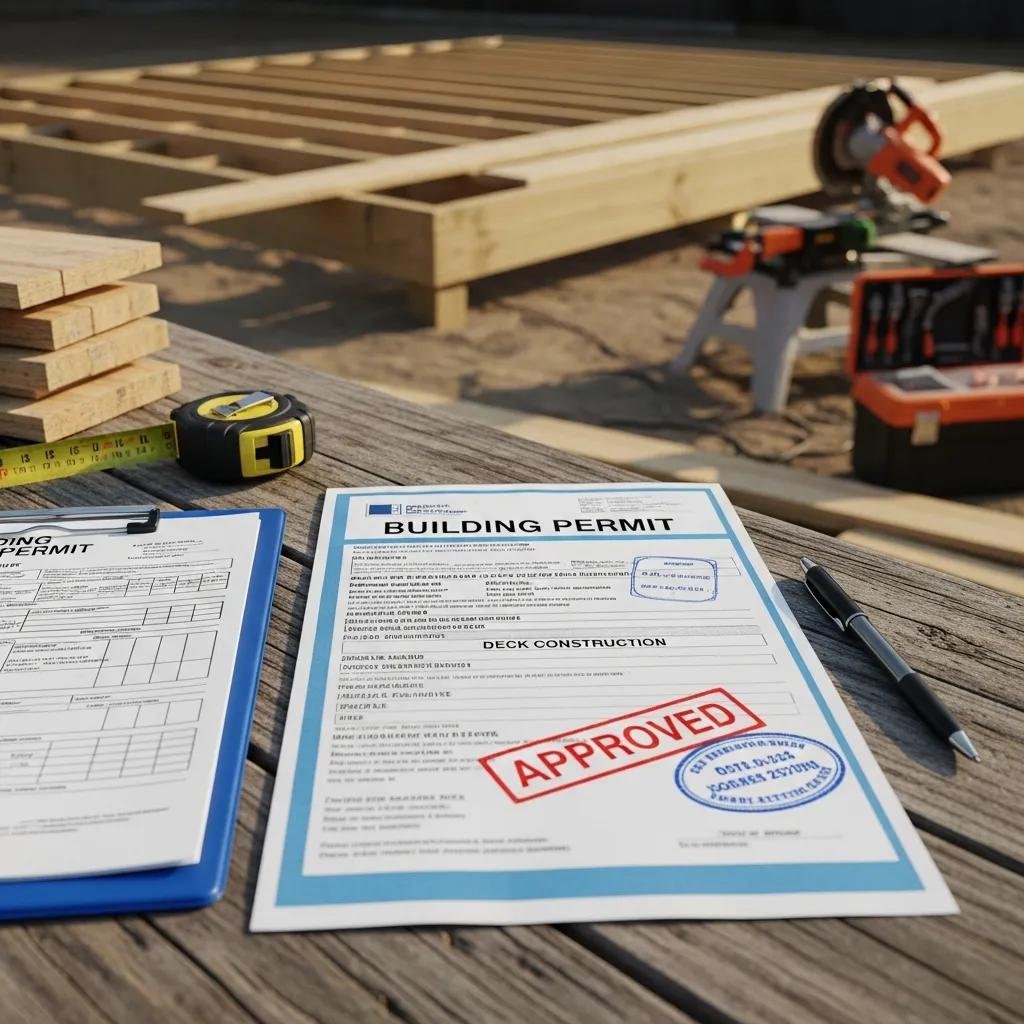
In Calgary, pulling the right permit is a key first step. Permits confirm your deck meets local building codes and safety rules meant to protect your family and neighbours. Skipping permits can lead to fines, delays, or even having to take the deck down.
Why getting a deck permit matters in Calgary
A permit makes sure your deck follows Calgary’s regulations for structural safety and construction standards. It reduces liability for the homeowner and supports resale value by showing the work was done to code. In short: permits protect safety, money, and peace of mind.
Following local building codes is the best way to make sure your deck is safe and legally compliant.
Residential deck building codes & safety standards
Where applicable, provisions referenced here follow the International Residential Code (IRC). Practical guidance also draws on established references used by industry professionals.
Black and Decker Deck Codes and Standards 2nd Edition: How to Design, Build, Inspect, and Maintain a Safer Deck, 2025
What can happen if you build a deck without the proper permit?
Building without a permit can be costly. Municipal fines are possible, and if the deck fails an inspection it may need modification or removal. Unpermitted work can also complicate a future sale, so it’s better to get approvals up front.
How do you ensure a stable deck foundation that resists frost heave and other issues?
A solid foundation prevents many long-term problems in Calgary’s freeze‑thaw climate. Frost heave — soil movement caused by freezing and thawing — can lift footings and warp structures unless the foundation is designed correctly.
What foundation problems are common in Calgary’s climate?
Typical issues include footings that aren’t deep enough and poor soil conditions. Underestimating foundation needs can lead to uneven decks, settling, and structural problems. Assess the soil and follow proper footing standards for your area.
How correct footing depth and installation limit frost heave damage
Footings should be set below Calgary’s frost line — commonly around 1.5 meters (5 feet) — to reduce frost movement. Using concrete footings, ensuring good drainage, and following proven installation techniques helps keep your deck stable through freeze‑thaw cycles.
Research and field experience confirm that appropriate foundation design is essential for cold climates to reduce frost-related damage.
Frost-heave prevention for foundations in cold regions
Seasonal freezing can damage earthworks and structures. This study examined factors that drive frost heave and evaluated protection methods — including insulation boards, concrete lining, and gravel — to reduce damage in cold regions. Results highlight the importance of temperature control and soil moisture management when designing protections against frost heave.
Study on the frost heave mechanism of the water conveyance canal and optimized design of slope protection, 2021
Which deck materials hold up best in Calgary to avoid warping and rot?
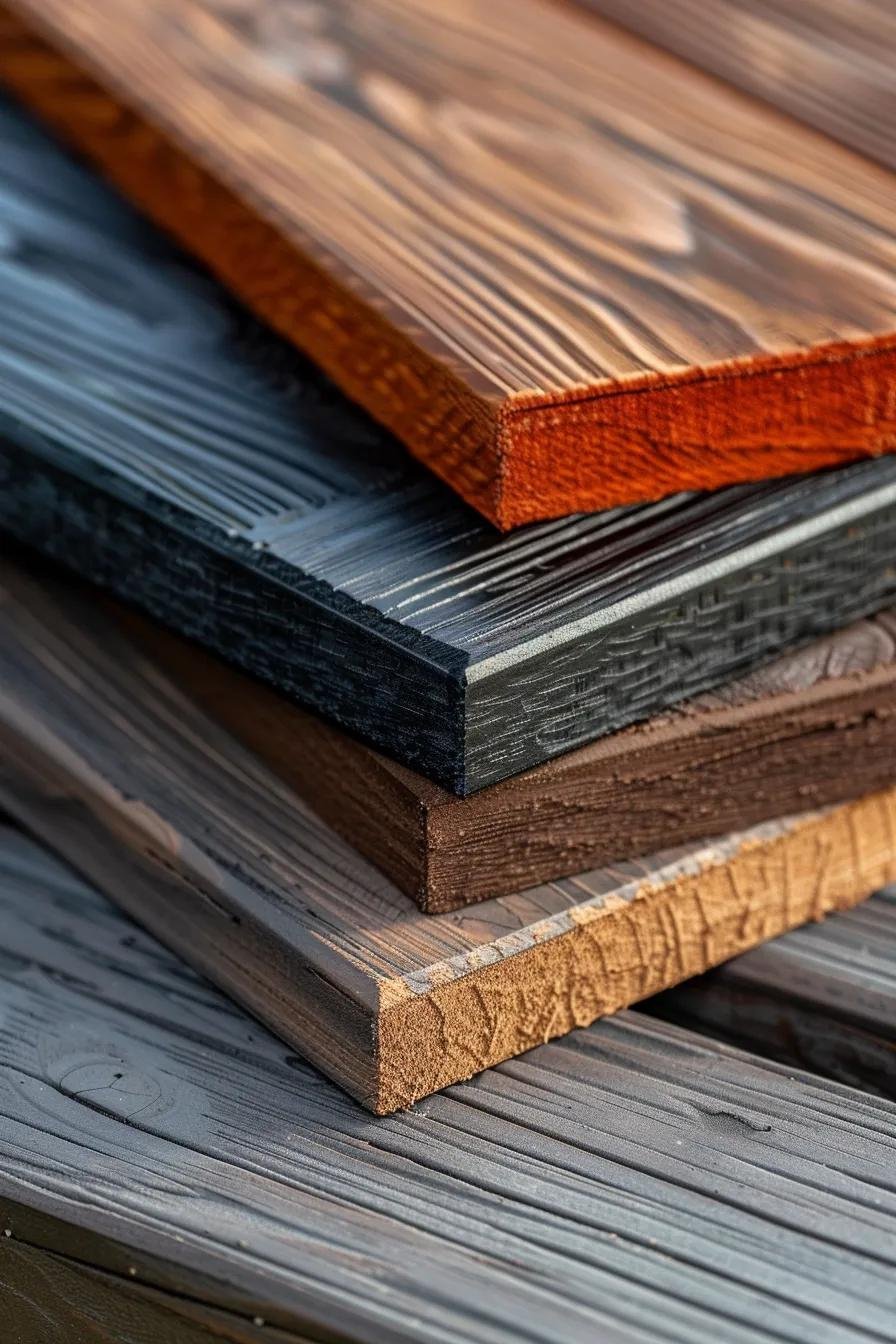
Choosing the right material determines how long your deck will look and perform. Calgary’s swings in temperature and moisture can make lower-quality materials warp, crack, or decay over time.
What material problems do Calgary homeowners typically face?
Natural wood can warp, split, or rot without proper treatment and upkeep. Some cheaper composite products can fade or become brittle after years of exposure. Picking materials rated for Canadian climates and installing them correctly reduces those risks.
How to pick deck materials for durability with low maintenance
Look for high-quality composites that resist fading, staining, and moisture, or choose pressure-treated lumber or rot‑resistant species like cedar when you prefer a wood look. Proper installation and routine maintenance are still important, but the right material lowers long‑term upkeep.
The table below summarizes typical issues for common deck materials and practical solutions to improve longevity in Calgary’s climate.
What risks come from incorrect fastening, joist spacing, or railing installation?
Mistakes on fastening, joist layout, or railing installs can undermine safety and longevity. Small errors in these areas often lead to big problems down the road — from sagging boards to safety hazards.
How do construction mistakes affect deck strength and safety?
Improper fasteners or joists spaced too far apart can cause excessive deflection, sagging, or even failure under load. Weak or incorrectly installed railings raise the risk of falls. Attention to details and code compliance is essential for a safe deck.
Best practices for code‑compliant railings and joist installation
Follow local building codes, use the correct fasteners and connectors, and adhere to specified joist spacing for your deck materials. Inspect framing and rail connections during construction so issues are caught and fixed before the final finish goes on.
How does poor drainage and water management damage decks in Calgary?
Water that’s allowed to sit around the deck or its footings causes wood decay, foundation problems, and mould. Managing runoff and preventing pooling is a simple way to protect your investment.
What problems arise from poor drainage and water buildup?
Standing water around footings can contribute to frost heave and undermine structural stability. Trapped moisture accelerates rot and attracts pests, which reduces the deck’s lifespan and creates safety concerns.
How proper drainage prevents wood rot and foundation issues
Effective drainage options include directing downspouts away from the deck, installing gutters where needed, and grading the soil so it slopes away from the structure. These steps keep water out of areas where it can cause long‑term damage.
How can professional deck builders help you avoid these common Calgary mistakes?
Hiring experienced deck builders cuts risk and streamlines the project. Professionals know local codes, practical solutions for Calgary’s climate, and how to avoid typical construction pitfalls.
Benefits of hiring experts for permits and code compliance
A qualified contractor can handle permit submissions, ensure work meets code, and reduce delays caused by rework. Their experience navigates the red tape and technical details so you don’t have to.
How professional workmanship prevents structural and material problems
Skilled tradespeople apply proven installation methods, select appropriate materials, and perform regular inspections during the build. That attention to detail delivers a safer, longer‑lasting deck and greater confidence in the final result.
In short, understanding permit rules, foundation needs, material choices, installation details, and drainage solutions helps you avoid costly mistakes. Hiring professional deck builders like
Serenity Construction Ltd
reduces risk and helps ensure a high-quality outcome for your project.
Frequently asked questions
What should I consider when planning the layout of my deck?
Think about how you’ll use the space, the size and shape of your yard, and how the deck connects to your home. Plan traffic flow, seating areas, and features like stairs or railings. Also note the sun’s path and sightlines — good planning makes a deck both functional and enjoyable.
How can I maintain my deck to prolong its lifespan?
Regular care makes a big difference: clean the surface, reseal or restain wood as recommended, and check for loose fasteners or damaged boards. Keep drainage working well and address issues quickly to prevent minor problems from growing.
What are the best practices for deck railing installation?
Follow local code for railing height and baluster spacing, use durable materials and proper connectors, and ensure firm attachment to the deck framing. Inspect railings periodically and repair any looseness or corrosion promptly.
How can I choose the right contractor for my deck project?
Look for contractors with local deck experience, proper licenses and insurance, and positive customer reviews. Ask for multiple quotes, check references, and confirm they understand local codes and site‑specific concerns. Clear communication is a must.
What environmental factors should I consider when building a deck?
Choose sustainably sourced or recycled materials where possible, avoid disrupting local habitats, and plan drainage to limit erosion. Small choices can reduce the project’s environmental impact while still delivering a beautiful deck.
How can I make sure my deck is safe for children and pets?
Use secure railings, non‑slip surfaces, and rounded edges where possible. Install gates for stair access and routinely check for loose boards or protruding fasteners. Supervision and regular maintenance keep the space safer for everyone.
Conclusion
Knowing the common challenges of deck building in Calgary — permits, foundations, materials, installation details, and drainage — helps you plan smarter and avoid surprises. Working with experienced builders such as
Serenity Construction Ltd
brings practical expertise and local knowledge to your project. Ready to move forward? Start with a clear plan and the right team to bring your deck to life.
Comments