


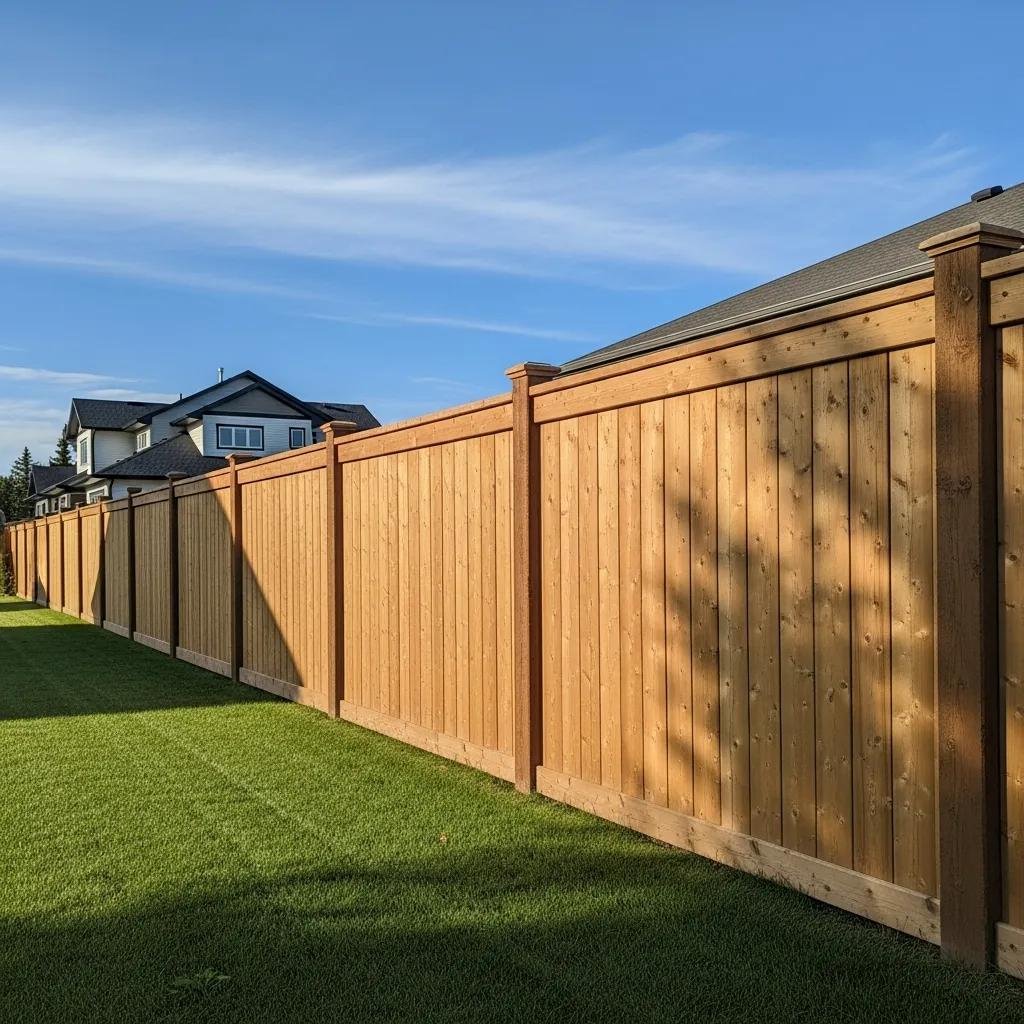

Key Factors to Evaluate When Selecting Fence Construction Services in Alberta
Picking the right fence construction service in Alberta means balancing lasting performance, code compliance, and the look you want — so your fence is a smart investment for years to come. This guide walks homeowners through how to evaluate contractors, choose materials that handle Calgary’s freeze‑thaw cycles and wind, navigate local permits, set a realistic budget, and plan for design and maintenance. Many property owners are surprised by hidden fees, missing permits, or materials that don’t suit our climate; the sections below show how to avoid those pitfalls. You’ll find practical checklists for vetting contractors, side‑by‑side material comparisons, step‑by‑step permit advice, and design tips for gates and deck integration. Read on for the right questions to ask, how to read estimates, and how to plan installation and upkeep so your fence performs and looks great through every season.
What Are the Essential Criteria for Choosing a Fence Contractor in Alberta?
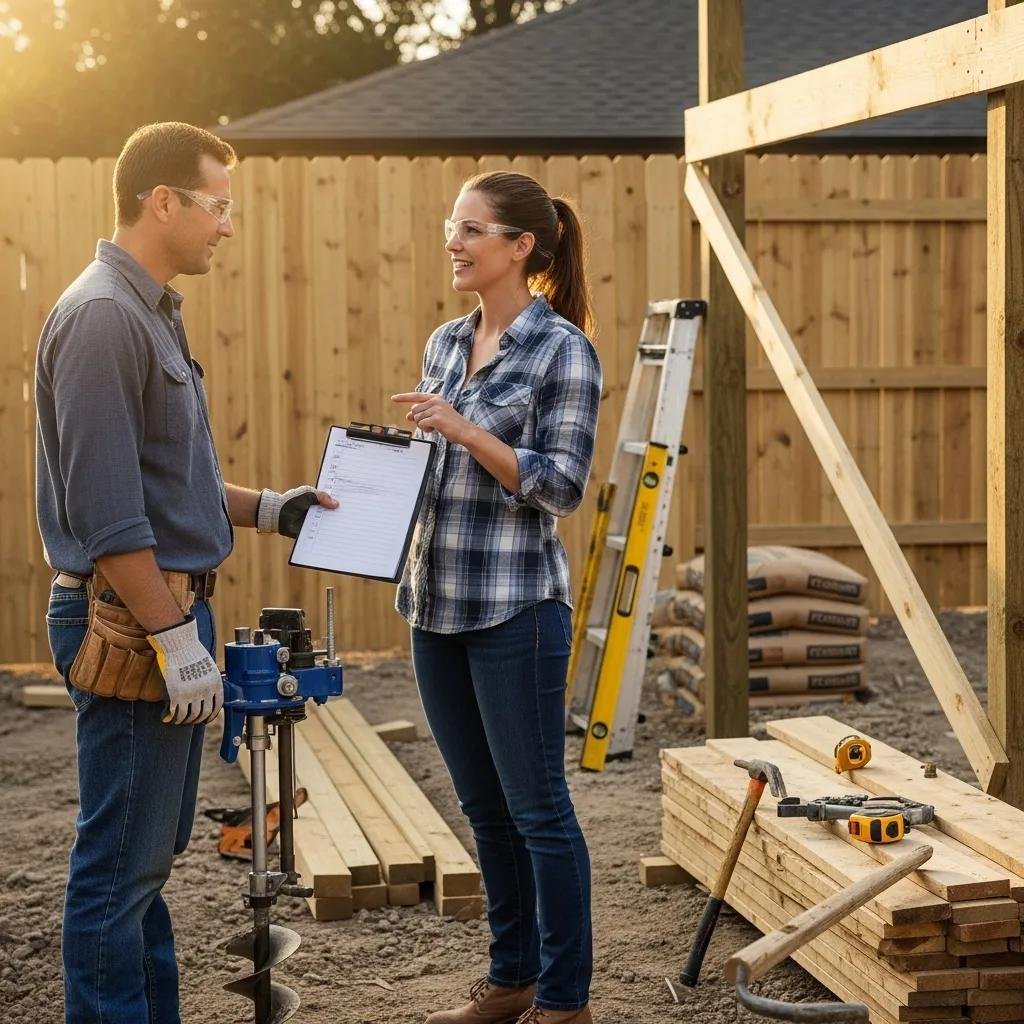
A simple, homeowner-oriented checklist speeds up selection: confirm licensing and insurance, get warranty details in writing, review local experience and photos, compare itemized estimates, and evaluate communication and project management. This structure helps you prioritise safety, legal compliance, workmanship, and clear contract terms. Following it reduces the chances of permit delays, scope creep, and surprise costs while increasing the odds of a long‑lasting installation built for Alberta’s conditions. Use the checklist below when interviewing potential contractors to ensure you pick a reputable team.
When vetting a contractor, focus on these primary checks:
- Ask for written proof that the contractor carries appropriate liability insurance and workers’ compensation coverage.
- Get warranty terms for materials and labour in writing, including coverage limits and duration.
- Request a detailed, itemized estimate that separates material, labour, permit, and disposal costs.
- Review a portfolio of completed local projects and ask for references you can contact or visit in person.
Checking these items gives you clarity about risk, expected quality, and schedule control. The table below offers an easy checklist in a compare‑friendly format so you can document what to request during the sales process.
This table standardizes the checks so comparing multiple contractors is straightforward and transparent. Next, we cover how to verify licensing, insurance, and warranty details in practice so you can confirm those items reliably before signing a contract.
How to Verify Licensing, Insurance, and Warranty Coverage?
Confirming documentation protects you from liability and sets clear expectations for repairs and defects. Start by asking the contractor for a current certificate of insurance and any applicable trade licence, and note insurer names and policy limits so you can verify them later. Request the written warranty that spells out what’s covered (materials, workmanship), how long it lasts, and any conditions that void it. Ask where to check licences locally and what steps the contractor takes to stay compliant with municipal rules and trade standards.
Follow‑up steps include calling the insurance company to verify active coverage and checking municipal or provincial records for registration claims. If warranty language is vague, ask for examples of past warranty claims and how they were resolved; documented case examples show how responsive the contractor is. Verifying these items up front prevents surprises and leads to clearer contract negotiations.
Why Are Customer Reviews and Portfolios Important?
Customer reviews and portfolios show real evidence of a contractor’s workmanship, reliability, and experience with projects like yours. Look for portfolios with before‑and‑after photos that reveal footing details, post alignment, gate work, and finished hardware — consistent quality across multiple jobs suggests repeatable standards. When reading reviews, look for patterns: repeated mentions of delays, poor communication, or exceptional cleanup are more meaningful than one‑off comments.
Ask contractors for references in your neighbourhood so you can inspect completed fences and ask homeowners about warranty response and aftercare. Watch for red flags like portfolios with only commercial work or a lack of close‑up photos of critical details (post bases, fasteners). Knowing how to read these signals makes material comparisons more useful, because workmanship and materials together determine a fence’s real performance.
Which Fence Materials Offer the Best Durability and Aesthetics for Calgary's Climate?
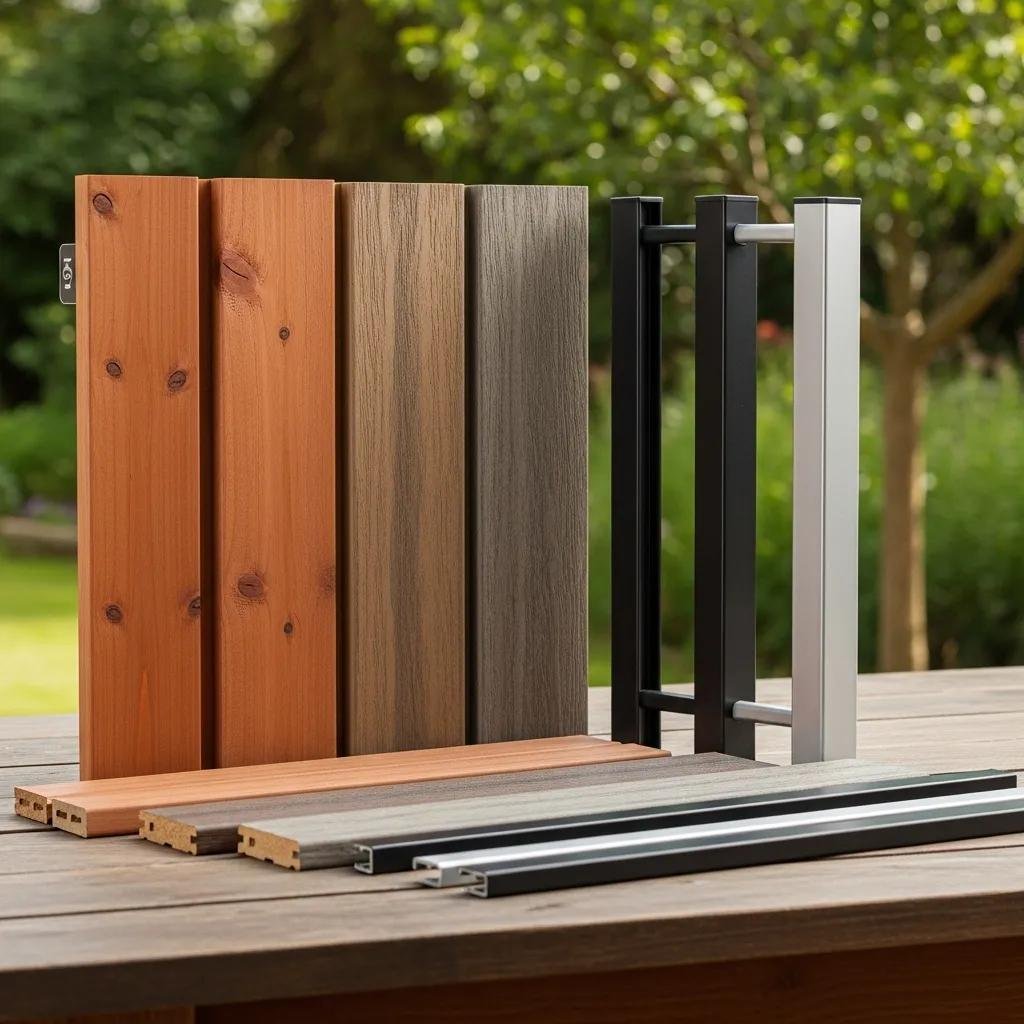
Material choice dictates how a fence handles Alberta’s freeze‑thaw cycles, wind, and UV exposure. The right pick balances durability, maintenance, and visual appeal. Woods can resist rot but need staining; composites resist decay with less upkeep but cost more; metals are strong but need corrosion protection. Comparing durability, maintenance needs, aesthetics, cost, and climate suitability helps you match performance to budget and style.
This table shows trade‑offs: cedar and Batu hardwood give classic wood looks with different cost and upkeep, while composite and vinyl lower maintenance at higher initial price. Serenity Construction Ltd works with cedar, pressure‑treated wood, Batu hardwood, composite, vinyl, and metal—so you can match material choice to budget and upkeep expectations for Calgary conditions.
What Are the Pros and Cons of Wood Fences: Cedar, Pressure-Treated, and Batu Hardwood?
Wood fences are familiar and flexible, with different species and treatments shaping durability and maintenance. Cedar naturally resists rot and gives a warm finish, but annual staining or sealing helps preserve appearance and life. Pressure‑treated wood is cost‑effective and durable against decay, though it can look rougher and needs compatible fasteners to avoid corrosion.
Batu hardwood is a premium option — dense, long‑lasting, and more resistant to moisture and wear than many softwoods — but it costs more and benefits from professional installation. Each wood type has specific maintenance needs (sealing cycles, fastener choices, post‑base protection) that matter in freeze‑thaw climates. Weigh upfront cost against lifecycle upkeep when choosing wood for privacy or decorative fencing.
How Do Composite, Vinyl, and Metal Fences Compare in Maintenance and Longevity?
Composite, vinyl, and metal fences offer lower maintenance than wood and can last for decades when installed correctly. Composite resists rot and insects, cleans easily, and provides a wood‑like look with consistent colour — higher initial price but lower lifetime maintenance. Vinyl keeps a clean look with occasional washing, but quality varies; cheaper vinyl can become brittle in strong UV, so choose higher‑grade products for Calgary.
Metal fences (aluminum or galvanized steel) deliver strength and security; with proper coatings and occasional corrosion checks, metal can last decades and suits modern or industrial styles. Think about function: privacy generally calls for composite or vinyl panels, while security and ornamental designs may favour metal. Mixing materials — for example, metal posts with wood or composite panels — can combine strength and appearance for a resilient solution in Alberta’s climate.
How Do Calgary's Fence Permit Requirements Affect Your Construction Project?
Permits and bylaws determine what you can build and where: knowing when permits are required, height and setback limits, and sightline rules avoids rework and fines. In Calgary, rules commonly address front and rear yard height limits, visibility triangles at intersections and driveways, and who’s responsible for boundary fences. Following municipal rules reduces disputes and ensures installations meet safety and sightline standards, smoothing the path from estimate to final inspection.
To comply efficiently, confirm local requirements early, include permit costs in your budget, and be ready to adjust plans if setbacks or visibility rules apply. Contractors who help with permitting can remove administrative headaches and cut delays. The next subsection summarises the typical local rules you’ll encounter and what to prepare when applying.
What Are the Key Calgary Building Codes and Property Setback Rules?
Municipal rules usually set maximum fence heights for front and rear yards, limit constructions near corner lots and sightlines, and protect driveway visibility to prevent traffic hazards. Common provisions cap front‑yard fences at 1.0 m (3.3 ft) where they face a street or lane, while rear and side yard fences are often allowed up to 1.8 m (6 ft) without a permit. Zoning, overlays, or special cases may change these limits. Visibility triangles at intersections and driveways require lower fence heights so sightlines remain clear.
Check current municipal guidelines to confirm exact height limits, required setbacks from sidewalks or streets, and any special zoning overlays affecting your lot. Preparing a simple site plan with proposed fence lines and nearby intersections or lanes helps speed permit review and lowers the chance you’ll need to change the fence after installation. Once you know the rules, you’re ready to submit permits with confidence.
How to Navigate Permit Applications and Avoid Property Line Disputes?
Start permits by confirming property boundaries with a recent survey and locating title documents or municipal plans to show lot lines. Talk with neighbours early and, when possible, get written agreements about shared fence responsibilities — this reduces disputes that can stall permits. Where practical, include survey references with permit applications to show proposed work respects property lines and setbacks.
Practical steps: order or find a survey, document neighbour agreements in writing, submit a clear site plan with fence heights and gate locations, and hire contractors who can assist with permit paperwork. Quick verification of property limits and neighbour communication prevents common objections and helps permits move through smoothly. The next section shows how permitting and site conditions affect budget estimates.
What Are the Typical Costs and Budget Considerations for Fence Installation in Alberta?
Fence costs are driven by material choice, labour rates, permit fees, site conditions, and custom features. Knowing these drivers helps homeowners set realistic budgets and compare quotes. Materials often make up a large portion of upfront cost; labour varies with complexity and local demand; permits are a modest fixed cost. Difficult site conditions — slopes, rocky soil, or big roots — raise labour and equipment needs, while gates, automation, and staining add to the total but can increase functionality and curb appeal.
This breakdown shows materials and labour are the main cost drivers while permits and site conditions produce variation. Once you understand cost drivers, weigh custom upgrades against likely return and ongoing maintenance.
How Do Material, Labor, and Permit Fees Influence Total Fence Installation Costs?
Material choice sets the baseline per linear foot and expected lifecycle expenses — premium hardwoods and composites cost more up front but often need less maintenance. Labour reflects installation complexity: straight, accessible runs require less time than sloped or rock‑filled sites that need extra equipment or special footings. Permit fees are usually small compared with materials and labour but must be included early so you don’t underbudget or miss scheduling steps.
When you receive estimates, ask for itemized lines for materials, labour, permits, and disposal to spot hidden charges like cleanup or waste fees. Example: a mid‑range cedar privacy fence shows moderate material cost and significant labour for accurate post setting, while a vinyl fence may show higher material cost but lower ongoing maintenance. Clear, comparable estimates prevent surprises and make it easier to evaluate bids.
What Custom Features Affect Pricing and Return on Investment?
Custom items like decorative caps, higher‑grade lumber, single or double gates (manual or automated), integrated lighting, and staining raise upfront costs but can boost curb appeal and function. Gates — especially automated or heavy double gates — need stronger posts and better hardware, increasing material and labour costs. Decorative finishes and premium components add visual value and may help resale in neighbourhoods that value well‑designed outdoor spaces.
Prioritise upgrades by use and likely resale impact — durable materials and improved security often give better ROI than purely decorative features. Ask contractors for cost‑to‑benefit examples and past projects so you can see how choices performed over time. If funds are limited, phase upgrades while ensuring essential structural work (posts, footings, drainage) is done right from the start.
After reviewing costs, the next step is exploring design and customisation that ties fences to decks, gates, and landscaping to create cohesive outdoor spaces.
How Can Design and Customization Enhance Your Fence and Outdoor Space?
Good design turns a fence into both a functional boundary and a part of your landscape, improving privacy, security, and curb appeal at once. Choices like style, height, gate type, materials, and finish affect airflow, light, and sightlines; coordinating the fence with decks, patios, and plantings creates a unified outdoor look. Think about pets, kids, and accessibility as you plan — the fence should support daily life and look great.
Below are common styles and the situations they suit so you can match form to function and your home’s architecture. After you pick a style, plan gate and deck integration to keep the look seamless.
What Are Popular Fence Styles for Privacy, Security, and Aesthetic Appeal?
Popular styles balance privacy, security, and curb appeal depending on goals and home design. Board‑on‑board and vertical board fences provide strong privacy and a solid visual barrier, ideal for backyard seclusion and noise reduction. Shadowbox fences give a finished two‑sided appearance that works well on shared boundaries, while picket and slatted designs favour charm and airflow for front yards.
Styles have trade‑offs: solid privacy fences reduce airflow and light but provide seclusion, while slatted or spaced designs let wind pass and reduce load on posts. Match the fence style to your home — a traditional picket suits heritage homes, horizontal slats complement modern houses — so the fence enhances rather than competes with the property. Once the style is chosen, align gate hardware and deck details to keep the design cohesive.
How Do Gate Options and Matching Deck Designs Integrate Seamlessly?
Gate choices — single or double, arched or straight, manual or automated — affect both function and cost, and should match adjacent fences and decks visually and structurally. Hardware matters: heavy gates need reinforced posts and strong hinges, while automation requires clearance and power planning. Matching materials, finishes, and hardware between gate and deck creates a smooth transition that improves use and appearance.
When planning, make sure gate and deck heights, rail profiles, and swing or track clearances align. A professional installer will account for gate loads in post sizing and foundations to prevent sagging. Clear planning for gate type and deck integration reduces retrofit work and keeps your outdoor space cohesive.
What Should You Expect During the Fence Installation Process and Maintenance in Alberta?
A clear installation process includes site assessment, permitting, layout and staking, post‑setting, panel or board installation, and final hardware and cleanup. Knowing these stages sets homeowner expectations. Timelines vary with season and site complexity — frozen ground, deep snow, or muddy conditions extend schedules and may require alternate methods for setting posts. After installation, routine inspections, fastening checks, and periodic sealing or staining (for wood) preserve integrity and extend service life.
How Do Seasonal Conditions and Ground Factors Affect Installation Timelines?
Seasonal conditions change how and when crews work: frozen ground makes post holes harder and may need augers or special equipment, while spring thaw creates mud that slows progress and requires extra site protection. Best installation windows are late spring through early fall when ground is accessible and weather is more predictable, though experienced crews can adapt in shoulder seasons. Rocky soil, steep slopes, or dense roots increase excavation time and may need special footings or retaining work, raising labour and costs.
Build contingency days into schedules for weather and allow time for permit approvals and neighbour coordination. Talk with your contractor about how they handle seasonal challenges so you have realistic completion expectations and understand potential extra charges for unusual site conditions. With timing planned, regular maintenance will keep your fence performing across seasons.
What Are Best Practices for Fence Maintenance to Ensure Longevity?
Regular maintenance preserves structure and appearance: inspect posts, rails, pickets, and hardware seasonally; tighten or replace loose fasteners; and reapply sealant or stain to wood every 1–3 years depending on exposure. Composite and vinyl usually need only periodic cleaning and hardware checks, while metal benefits from corrosion inspections and touch‑up paint where coatings wear. Before and after winter, clear snow away from gates and check spring for any freeze‑thaw issues around post foundations.
A simple maintenance checklist keeps you on track:
- Inspect posts and footings for movement or rot each spring.
- Check hinges, latches, and fasteners for proper operation twice a year.
- Reapply protective finishes to wood as recommended given exposure and past treatments.
Consistent maintenance lowers long‑term repair costs and supports warranty claims if workmanship or materials fail. With a maintenance routine in place, you’ll enjoy a durable fence suited to Alberta’s climate.
If you’re ready for an accurate, itemized quote based on materials, site conditions, and permits, request a free estimate and review of warranty terms from a local provider.
Serenity Construction Ltd is based in Calgary, Alberta and specialises in outdoor living construction, including custom residential fencing. We work with cedar, pressure‑treated lumber, Batu hardwood, composite, vinyl, and metal, and offer full services — design, material selection, installation, and permit handling. We provide free estimates, comprehensive warranty coverage, and carry insurance so homeowners can simplify logistics while ensuring local climate needs are considered during planning.
If you’d like a professional consultation or a free, itemized estimate that includes permit assistance and warranty details, contact a qualified local fence contractor to turn the guidance in this guide into a practical project plan.
Frequently Asked Questions
What should I consider when planning the design of my fence?
Start with the fence’s purpose — privacy, security, or curb appeal — then choose a style and material that complement your home and stand up to Alberta’s weather. Think about how the fence will connect to existing landscaping, decks, and gates, and balance aesthetics with function. A professional can help you create a design that’s cohesive, practical, and suited to your yard.
How can I ensure my fence complies with local regulations?
Check Calgary’s building codes and setback rules early in planning. Verify maximum heights for different yard areas and any special rules for corner lots or sightlines. Contact the municipality for current permit requirements, or hire a contractor familiar with local regulations to help navigate the process and avoid disputes.
What are the common mistakes to avoid during fence installation?
Common mistakes include not verifying property lines, skipping permits, and ignoring local weather and soil conditions. Improper post installation can cause early failures, and low‑quality materials may not last in Alberta’s climate. Prevent issues by planning carefully, checking surveys, consulting professionals, and insisting on an itemized contract.
How often should I perform maintenance on my fence?
Maintenance depends on material. Wood should be inspected annually and sealed or stained every 1–3 years depending on exposure. Composite and vinyl usually need only occasional cleaning and hardware checks. Metal fences require corrosion checks and touch‑up paint as needed. Regular upkeep extends life and protects your investment.
What factors influence the lifespan of different fence materials?
Lifespan depends on material durability, care, and exposure. Cedar and Batu hardwood last many years with proper maintenance; composite and vinyl resist rot and often have longer lifespans; metal lasts when coatings are maintained. Harsh weather, freeze‑thaw cycles, and poor installation shorten life, so choose quality materials and follow maintenance recommendations.
Can I install a fence myself, or should I hire a professional?
DIY is possible for straightforward projects, but hiring a pro is often the safer route. Professionals know local rules, proper installation techniques, and how to handle unexpected site challenges. If you lack experience or tools, a contractor can save time and reduce the risk of costly mistakes, delivering a better long‑term result.
Conclusion
Choosing the right fence construction service in Alberta means prioritising durability, code compliance, and design that fits your home and budget. By understanding material trade‑offs, vetting contractors carefully, and planning for permits and maintenance, homeowners can avoid common mistakes and get a fence that lasts. For tailored guidance and a free, itemized estimate for your project, reach out to a trusted local contractor. A well‑planned fence protects your property and enhances your outdoor space for seasons to come.
Comments