


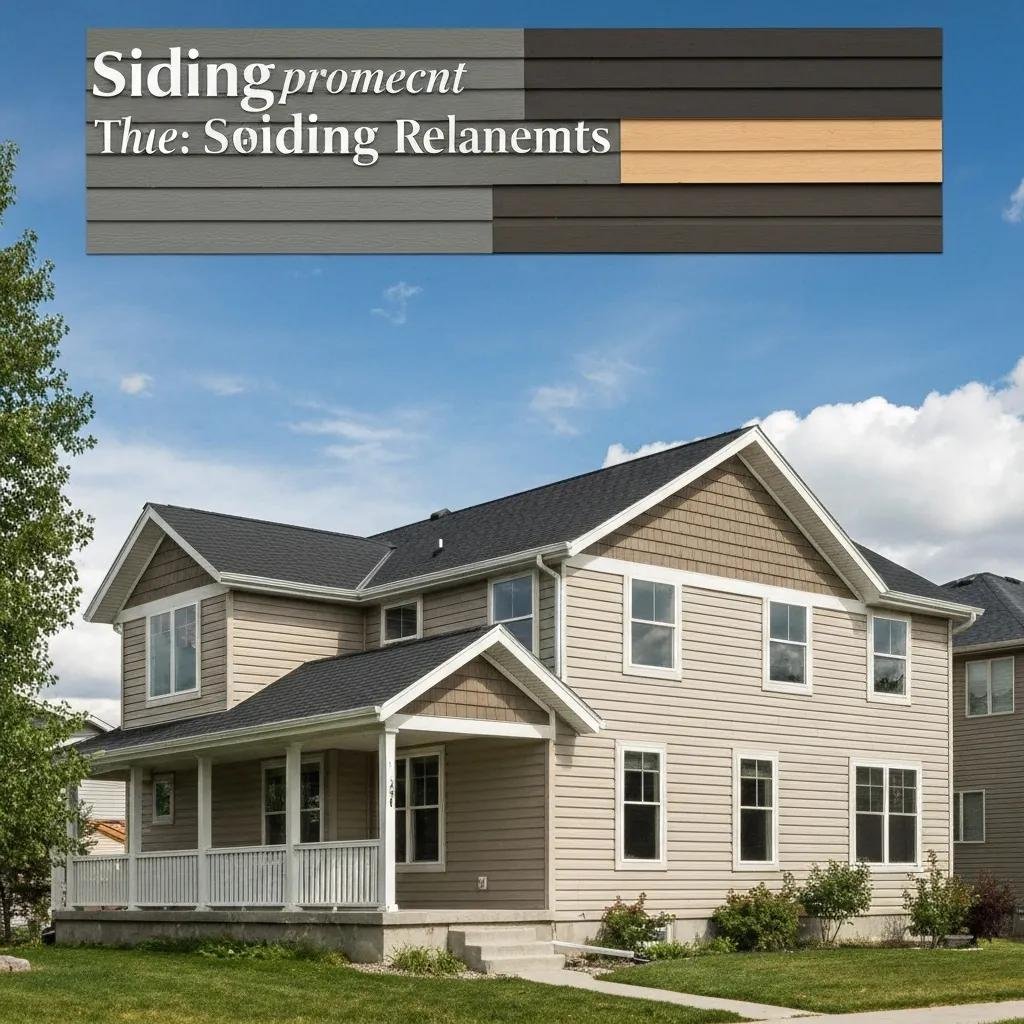

10 Signs Your Calgary Home's Siding Needs Replacement — A Homeowner's Guide to Protecting Your Property
Your siding is the first line of defense against Calgary’s wild weather — from spring hail to harsh freeze‑thaw swings — and it helps keep moisture, pests, and heat loss out of your home. In this guide we show you the ten most common signs that siding should be replaced, explain why each sign matters, and give clear, practical next steps for inspecting and documenting damage. You’ll learn how to tell when a surface repair will do versus when a full replacement is the smarter choice, how hail and UV exposure speed wear, and when structural or health issues like dry rot or mold need urgent attention. We also cover less obvious clues — higher energy bills and pest activity — compare expected lifespans for vinyl, fiber cement, and wood in Calgary’s climate, and list maintenance red flags that justify proactive replacement. Finally, you’ll find practical thresholds for calling a pro so you can protect your property, keep curb appeal, and plan a cost‑effective exterior renovation.
What Are the Most Common Signs of Damaged Siding in Calgary Homes?
Siding gives off both obvious and subtle signals when something’s wrong — from visible cracks to measurable performance drops. Spotting these signs early helps you decide between a simple repair and a full replacement, and prevents problems like damaged sheathing or interior water stains. The short list below is designed to be scannable so you can prioritize inspections quickly. After this section you’ll know how to document condition for insurers or contractors and which problems usually need replacement rather than patching.
The ten most common signs to watch for are:
- Cracks, holes, or gaps in panels that let moisture and insects in.
- Warping, buckling, or bending that breaks the siding’s water‑shedding lines.
- Missing or loose trim and corner pieces that leave edges exposed.
- Blistering, peeling, or bubbling paint that can point to substrate or moisture problems.
- Large areas of fading or uneven colour that indicate UV breakdown or aging material.
- Soft or spongy spots when pressed, suggesting rot in sheathing or framing.
- Visible mold, mildew, or fungal growth on siding or adjacent trim.
- Repeated patching or failing fasteners across multiple panels.
- Pest nests, frass, or clear insect entry points near seams and vents.
- Interior water stains or damp areas that trace back to the exterior siding.
Each of these signs points toward specific causes and actions; the quick‑reference table below pairs symptoms with immediate homeowner responses so you can decide what to inspect or repair first.
Use this table to sort urgent issues from those you can monitor. Next, we’ll look at how common weather events in Calgary accelerate siding problems.
How Do Cracks, Holes, and Gaps Indicate the Need for Siding Replacement?
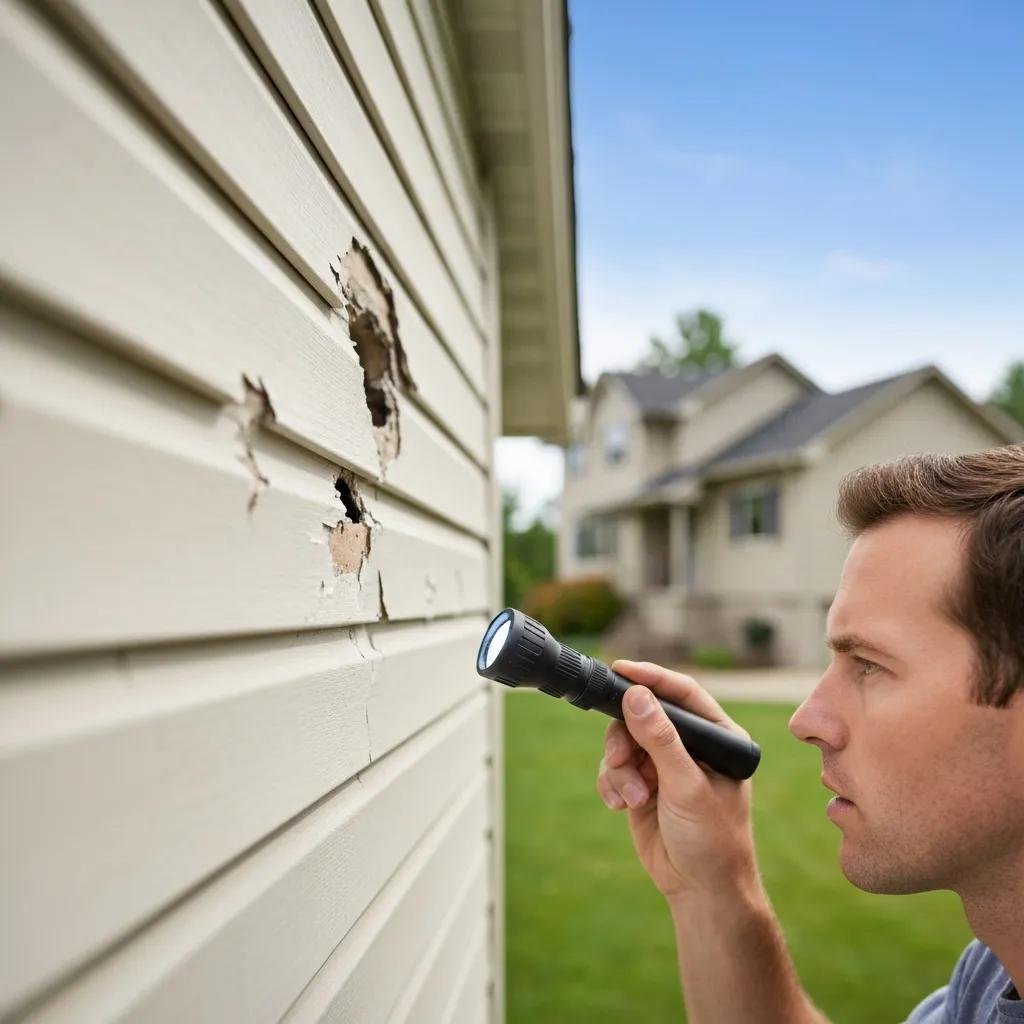
Cracks, holes and gaps are direct breaches in the building envelope — they let moisture, pests and wind‑driven rain reach the underlayment and framing. A single, small impact can often be patched if the sheathing underneath is dry and sound, but repeated or widespread cracking usually signals material fatigue or installation problems. When you inspect, probe behind gaps and look for staining, soft wood, or mold on the sheathing — those findings push the decision toward replacement. Take dated photos and note failure patterns to help decide whether targeted repairs are cost‑effective or if full replacement is the safer long‑term option.
Why Does Warping or Buckling Signal Siding Failure?
Warping and buckling break the siding’s ability to shed water and maintain a continuous thermal barrier. Causes include moisture absorption, loose fasteners, or repeated freeze‑thaw cycles. When panels don’t lie flat, seams open and water can wick into the wall assembly, which speeds rot and reduces insulation performance. Minor buckling on a few panels can sometimes be fixed by refastening or replacing boards, but systemic warping across elevations often means substrate damage or the wrong material for Calgary’s climate and usually requires full replacement. If you spot buckling after storms or seasonal swings, schedule a closer check of underlayment and framing integrity.
How Does Weather Damage Affect Your Calgary Home’s Siding?
Calgary weather — hail, strong UV, wind‑driven rain and freeze‑thaw cycles — is a major factor in siding wear. Each stress attacks different material properties: impact force from hail, polymer breakdown from UV, and moisture expansion during freeze‑thaw. Knowing these mechanisms helps you interpret visible signs and choose between patching, partial repair or replacement. After a big storm, document damage methodically so you can tell whether problems are isolated or widespread — that affects insurance and replacement decisions.
What Are the Signs of Hail Damage on Calgary Siding?
Hail usually shows up as dents, chips, circular impact marks or hairline cracks — especially on softer materials like vinyl or plastic trims. Fiber cement may chip or develop micro‑fractures at edges; wood can bruise or splinter. To assess severity, photograph each impact with a ruler for scale, map where impacts occur on the house, and check trim and gutters for matching damage. When impacts are clustered or affect more than one elevation, replacement is often the better choice than spot repairs for insurance and durability reasons.
How Do Fading and Discoloration Reflect Siding Wear from UV Exposure?
Fading and uneven colour typically mean UV has worn down surface pigments and protective coatings, which can leave the material brittle underneath. Fading alone can be cosmetic for some products, but when it’s paired with chalking, cracking or flaking it suggests protective layers have failed and the substrate may be compromised. Repainting or refinishing can buy time, but repeat fading or coating loss indicates a shortened service life and may justify replacement to avoid later structural problems. Watch how quickly fading progresses seasonally to judge whether protective treatments are losing effectiveness.
When Should You Consider Siding Replacement Due to Structural and Health Concerns?
When siding failure threatens structure or occupant health, replacement is usually the right call. Structural red flags include dry rot and soft spots that reach sheathing or framing; health risks include active mold, mildew or fungal growth that can affect indoor air quality. If moisture has been in the wall long enough to weaken structural members or support biological growth, replacement plus a moisture investigation is the prudent path. Below are detection steps for rot and the risks associated with biological growth.
If your inspection finds soft spots, widespread staining or suspected mold, a professional moisture assessment will reduce uncertainty and guide safe remediation and replacement — consider requesting a free consultation to clarify the scope before you proceed.
How Can Dry Rot and Soft Spots Compromise Your Home’s Exterior?
Dry rot and soft spots start where moisture stays behind the siding, allowing fungi to break down wood fibers and weaken sheathing or studs. Look for crumbly wood, discoloration and probe suspicious areas with a screwdriver to check structural loss. If rot is limited to trim or a small area, a local replacement may be enough, but once rot reaches sheathing or framing the home’s load paths can be compromised and interior damage may follow. Early detection saves money; documented soft spots are a clear sign that siding replacement is likely the safer, longer‑term fix.
What Are the Risks of Mold, Mildew, and Fungi Growth on Siding?
Mold and mildew often start as surface streaks or patches and can sometimes be cleaned away, but persistent growth generally means ongoing moisture intrusion. Beyond looks, biological growth releases spores that can worsen allergies or respiratory issues indoors. Telling superficial growth from invasive colonization requires inspecting the underlayment and sheathing — if growth is deep or returns quickly after cleaning, replacement plus correction of the moisture source is necessary. If you suspect health risks, document visible growth and get a professional assessment and remediation plan to protect your household.
A moisture and mold assessment by a qualified contractor will show how deep contamination goes and recommend the right remediation — many homeowners find a free consultation helpful to review findings and decide next steps.
How Do Hidden Signs Like Energy Bills and Pest Infestations Reveal Siding Problems?

Siding issues aren’t always obvious. Open seams, compromised panels and failing insulation pathways can raise heat loss and energy bills, while gaps and rot invite pests into cavities for nesting. Comparing seasonal bills, doing simple draft checks and watching for pest signs like frass or nests can reveal hidden failures that hurt comfort and increase long‑term costs. Diagnosing these issues often combines homeowner checks with professional tools — thermal imaging, for example — to measure energy loss. The table below links typical siding damage to insulation impacts and estimated energy cost increases so you can prioritize inspections.
Why Can High Energy Bills Signal Poor Siding Insulation?
Spikes or consistently high seasonal energy bills can mean your thermal envelope is failing — siding gaps or degraded underlayment let conditioned air escape and cold air in. Simple diagnostics include checking for drafts around seams, using a thermal camera (by a pro) and comparing degree‑day‑adjusted bills year over year. If DIY checks show cold spots or insulation stays soggy after dry periods, replacing compromised siding and the underlying insulation may give the most reliable long‑term savings. Keep records of bills and photos to support replacement decisions and estimate payback from improved efficiency.
How Does Pest Infestation Indicate Siding Damage?
Pests use gaps, rot and penetrations to reach wall cavities. Look for insect frass, bee or wasp activity around eaves, rodent chew marks or nests under loose trim — these are often entry markers where the siding no longer protects the envelope and internal damage may be progressing unseen. Immediate steps include safely removing nests and sealing obvious openings, but recurring infestation or rot usually means replacement and corrective flashing are required to stop re‑entry. Treating pests without fixing entry points almost always results in a repeat problem.
How Does the Age and Maintenance History of Your Siding Affect Replacement Timing?
Age and maintenance history give you a practical forecast for replacement: materials have different lifespans and upkeep needs, and a history of repeated repairs or frequent repainting often points to deeper issues. In Calgary, hail and freeze‑thaw cycles shorten service life, so planning a proactive replacement can avoid emergency fixes. The table below compares common siding materials by typical lifespan, maintenance needs and how well they stand up to Calgary weather so you can plan timing.
What Is the Typical Lifespan of Different Siding Materials in Calgary’s Climate?
Lifespan depends on material and exposure: vinyl often lasts 20–30 years but can crack or fade sooner with frequent hail and strong UV; fiber cement typically reaches 30–50 years with proper installation and periodic repainting; wood varies by species and care but generally needs the most maintenance. Calgary’s mix of hail, dry winters and thaw cycles tends to shave years off these ranges, especially for softer materials. Planning replacement toward the lower end of the lifespan ranges reduces the risk of sudden failures and lets you schedule exterior work on your timetable.
Why Do Frequent Repainting Needs Suggest Siding Replacement?
Needing paint more often than expected usually means moisture or substrate problems are undermining the coating, not that the paint is poor. Blistering, peeling and rapid chalking often point to trapped moisture, poor ventilation or failing underlayment — problems that repainting only masks briefly. If you’re repainting every few years, inspect for leaks, flashing failures or decayed sheathing; when root causes are structural, full siding replacement is usually more cost‑effective and longer‑lasting than repeated cosmetic fixes. Prioritizing envelope health saves repainting money and preserves curb appeal.
A pattern of frequent repainting and recurring repairs is a strong sign that a planned replacement will deliver better long‑term value than ongoing spot fixes.
When Is It Time to Call a Professional for Siding Assessment and Replacement in Calgary?
Call a professional when clear thresholds are met: extensive rot or soft spots, active mold tied to moisture intrusion, widespread hail or impact damage across multiple elevations, persistent drafts and rising energy bills despite repairs, or when the same repairs keep coming back. A qualified assessment documents damage, inspects sheathing and framing, recommends targeted repairs or full replacement, and provides an up‑front estimate and timeline. Pros bring accurate moisture diagnosis, material recommendations suited to Calgary, and installation methods that reduce the chance of repeat failures. Below are practical criteria to guide when to bring in an expert.
- Visible structural damage (soft spots, sheathing decay).
- Biological contamination (mold or mildew beyond surface level).
- Storm damage across multiple elevations or damage documented for insurance.
- Repeated repairs or frequent repainting haven’t stopped deterioration.
Calling a professional at these points protects your home from escalating damage and helps you choose the most cost‑effective remediation.
What Are the Benefits of a Free Siding Consultation with Serenity Construction Ltd?
Our free siding consultation at Serenity Construction Ltd includes an on‑site inspection and a clear, jargon‑free explanation of what we find — at no charge. As a family‑run Calgary company, we focus on exterior remodels including siding replacement and repair, decks, and window and door work. During a consultation expect a diagnostic walkaround, documented findings, and an up‑front estimate that outlines recommended repairs or replacement scope and a rough timeline. These visits take the guesswork out of repair vs. replacement and help you choose materials and next steps with confidence.
How Can Professional Siding Replacement Improve Your Home’s Value and Curb Appeal?
Professional siding replacement refreshes curb appeal by restoring even colour, straight lines and tidy trim — all things buyers notice. Beyond looks, quality replacement improves the building envelope, reduces drafts and can boost energy efficiency when combined with proper underlayment and insulation. A well‑done exterior remodel also protects structural components and cuts long‑term maintenance costs, offering a durable return on investment through fewer repairs and better comfort. Ask for before‑and‑after photos and references to confirm expected outcomes and value from the work.
Ready to move from inspection to action? Request a free consultation and a photo‑based estimate to quickly understand scope, options and timing.
Frequently Asked Questions
What are the most effective materials for siding replacement in Calgary?
In Calgary the common choices are vinyl, fiber cement and wood. Vinyl is affordable and low‑maintenance with a 20–30 year range. Fiber cement offers long‑term durability and weather resistance (30–50 years) and is often the best match for Calgary’s climate. Wood looks great but needs more upkeep and is more vulnerable to moisture, typically lasting 25–40 years with good care. Each has tradeoffs — weigh your budget, maintenance willingness and the home’s exposure before deciding.
How can I prepare for a siding inspection?
Prepare by documenting visible damage — cracks, warping, mold — and taking photos for the inspector. Clear access around the exterior by moving plants or furniture, and gather any maintenance records or previous repair invoices. These simple steps help the inspector give a more accurate assessment and speed up the process.
What should I expect during a professional siding consultation?
Expect a visual inspection of the exterior, checks for soft spots and moisture, and the use of simple tools to probe suspect areas. Your contractor should explain findings clearly, recommend repair or replacement options, and provide an estimate and timeline. Use the consultation to ask about material choices, warranties and project scheduling.
How can I identify hidden siding issues before they escalate?
Watch your energy bills for unusual spikes, inspect for drafts around windows and doors, and look inside for unexplained water stains. Regularly check for pest signs and perform seasonal exterior walkarounds. If you find any of these warning signs, book a professional inspection to catch problems before they grow.
What are the long-term benefits of replacing siding?
Replacing siding improves energy efficiency, restores curb appeal and increases property value. New siding reduces heat loss and can lower energy bills, protects the structure from weather damage and cuts future maintenance costs. With quality materials and installation, replacement is a long‑lasting investment in comfort and resale value.
How often should I inspect my siding for damage?
Inspect siding at least once a year, ideally in spring or fall, and always after major weather events to check for hail and impact damage. Regular checks catch small issues before they become costly repairs and help keep your home protected year‑round.
Conclusion
Knowing the signs that your Calgary home’s siding needs replacement helps you protect both the structure and its value. Address cracks, warping and pest activity early to avoid bigger repairs down the road. When in doubt, book a professional consultation to assess condition and review replacement options tailored to your home. Protect your investment and boost curb appeal by taking action now.
Comments