


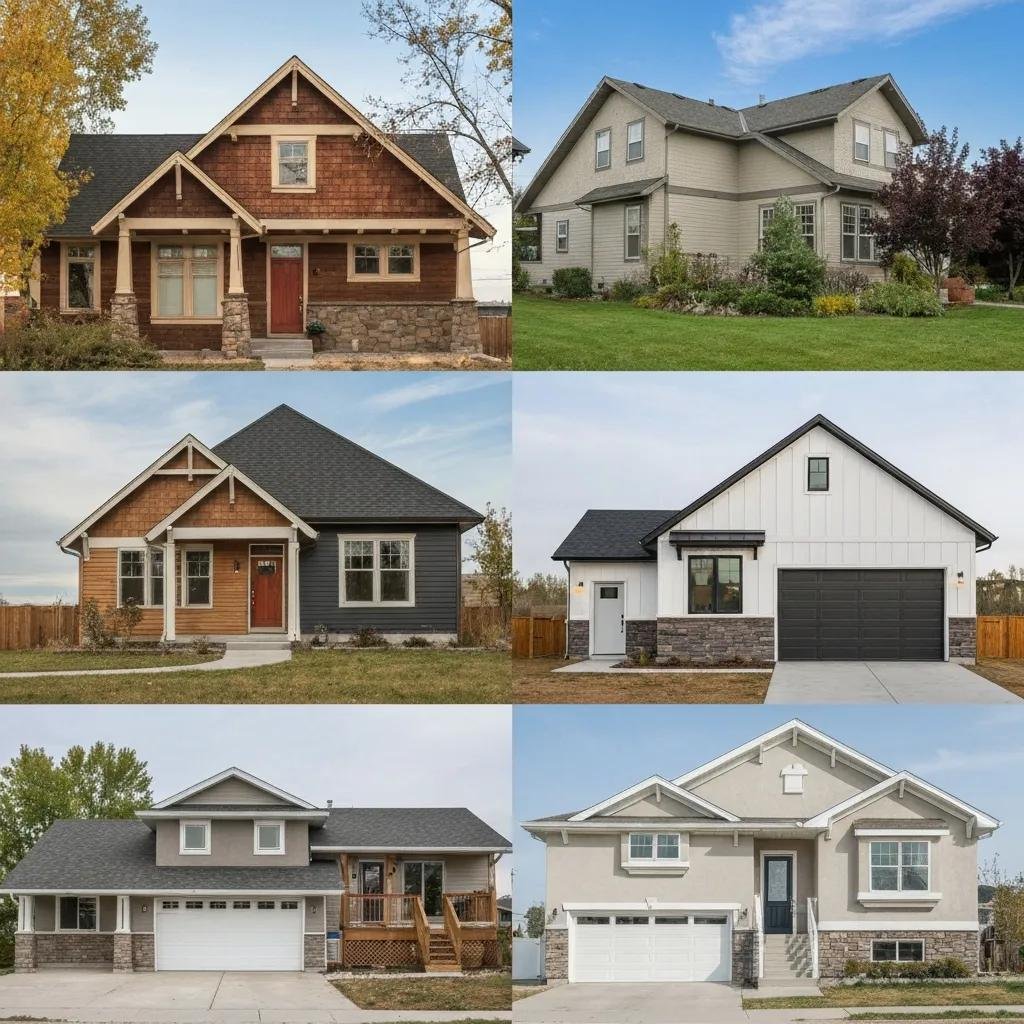

Best House Siding Options in Calgary: Durable, Cost‑Effective, Climate‑Ready Choices
Choosing the right siding for a Calgary home has a big impact on durability, heating costs and curb appeal — especially where hail, freeze‑thaw cycles and strong winds are common. This guide walks through the top siding choices — vinyl, fiber cement (including James Hardie), wood, stucco and metal — explains how each performs in Calgary’s climate, and compares lifecycle costs and maintenance. You’ll find practical decision criteria, realistic cost ranges, weather‑resilience ratings and an overview of the installation process so you can balance budget, lifespan and looks. We also include simple maintenance checklists, guidance on when to repair versus replace, and clear next steps for preparing a siding project. Finally, learn what to expect from local contractors and how to request a free, written estimate tailored to your house.
What Are the Top Siding Materials for Calgary Homes?
Calgary homeowners most often pick from vinyl, fiber cement, wood, stucco and metal because each material offers a different mix of cost, durability and curb appeal. In short: the material’s makeup determines impact resistance, thermal behaviour and upkeep, so your priorities — low maintenance, long life, or premium looks — should guide the choice. Knowing these tradeoffs helps you select siding that stands up to hail, reduces freeze‑thaw cracking and limits heat loss. Below is a quick summary of why each material is commonly used here, setting up the cost and weather comparisons that follow.
Top siding materials and why Calgarians pick them:
- Vinyl siding: Budget‑friendly and low maintenance, with insulated options that boost thermal performance.
- Fiber cement (including James Hardie): Tough, impact‑resistant and low upkeep — a go‑to where hail and longevity matter most.
- Wood siding (cedar/engineered): Warm, high‑end appearance and natural insulation, but requires regular maintenance and sealing.
- Stucco (traditional and synthetic/EIFS): Smooth, continuous finish with good insulating potential when installed with proper moisture control.
- Metal siding (aluminum/steel): Strong wind and impact resistance (in heavier gauges), recyclable and long‑lasting with correct detailing.
These overviews lead into a deeper look at costs, maintenance and how each material handles Calgary weather.
What Are the Benefits and Features of Vinyl Siding in Calgary?
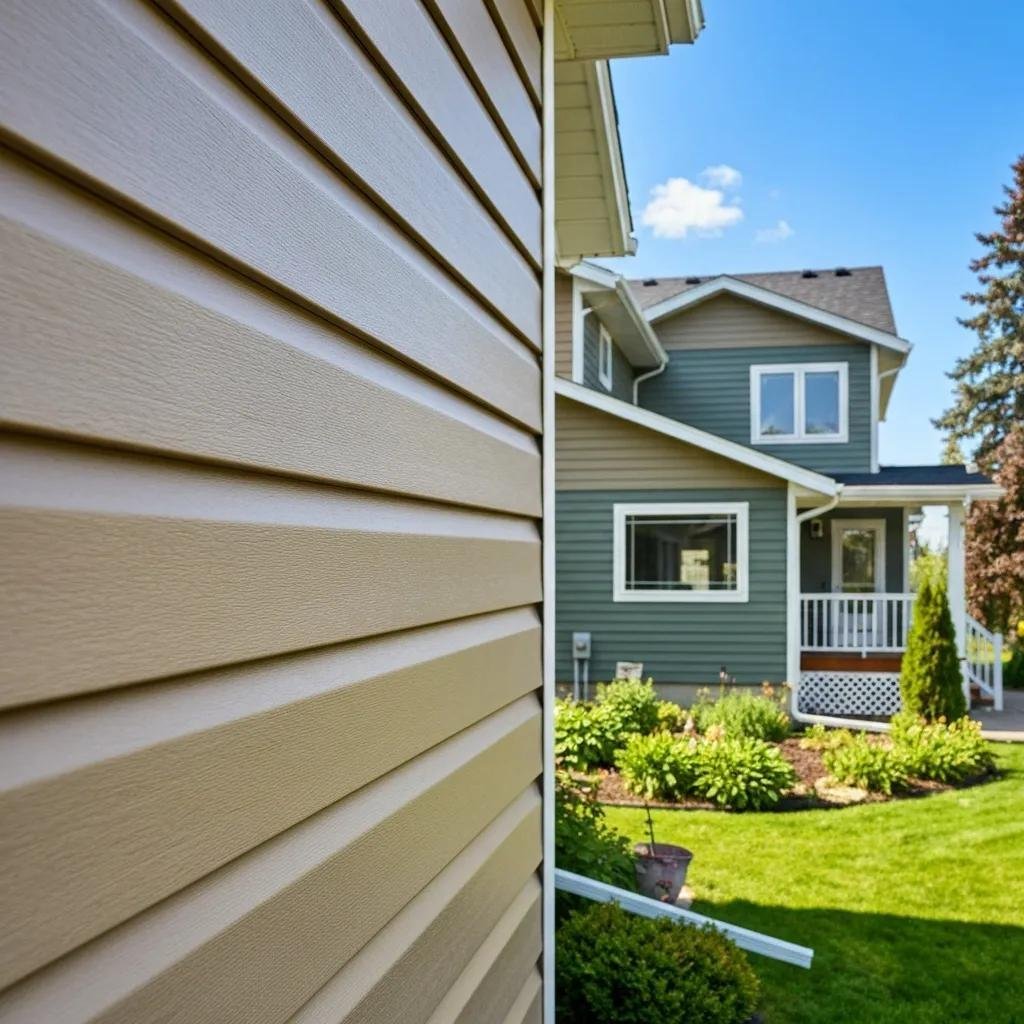
Vinyl siding is made from durable PVC panels and is popular for its affordability and low maintenance. Insulated vinyl adds a rigid foam backing to improve R‑value and reduce thermal bridging — helpful in Calgary’s cold months. Vinyl’s interlocking seams shed water and resist rot, but standard thin vinyl can dent in large hail and may get brittle in extreme cold unless you choose thicker, impact‑rated profiles. For homes in hail‑prone neighbourhoods, specify heavier profiles and impact‑rated products to reduce repairs. These performance points make it easy to compare vinyl with fiber cement when hail resistance and lifespan are priorities.
How Does Fiber Cement Siding Perform in Calgary’s Climate?
Fiber cement mixes cement, cellulose fibres and additives to produce a dense, impact‑resistant board that stands up well to hail and moisture. It won’t rot like wood and generally tolerates freeze‑thaw cycles better than standard vinyl. Installations are typically painted or factory‑finished, so they need repainting far less often than traditional wood. Although material and labour costs are higher up front versus vinyl, fiber cement’s long service life and lower long‑term maintenance often balance that initial premium — a key point when comparing lifecycle costs.
How Do Different Siding Options Compare in Cost and Maintenance?
Siding choices lead to very different lifecycle costs because material price, labour, removal of old cladding and any added insulation all affect final totals. The table below shows typical Calgary cost ranges per square foot and suggested maintenance intervals so you can estimate upfront investment and recurring upkeep. Understanding these cost drivers helps you pick materials that match your budget, expected lifespan and tolerance for periodic care.
Typical cost ranges in Calgary by material and key drivers:
Bottom line: vinyl is usually the most affordable entry cost, while fiber cement and quality wood carry higher upfront prices but often need fewer major repairs. Costs trend higher for complex façades, added insulation, removal of old siding and custom finishes. These figures lead into the practical maintenance tasks to plan for after installation.
What Is the Typical Cost Range for Vinyl, Fiber Cement, Wood, Stucco, and Metal Siding in Calgary?
This section boils down installed price bands and why estimates can vary — especially in Calgary where hail damage history and insulation needs matter. Material selection, labour rates and the potential need to replace damaged sheathing after a hail event can push a quote from the low to the high end quickly. A basic single‑storey vinyl re‑side tends to sit near the lower range; a multi‑storey job with fiber cement, custom trim and extra rigid insulation will be at the higher end. Always request a detailed, line‑item estimate so you know whether removal, disposal, permits and trim are included.
What Maintenance Is Required for Each Siding Material to Withstand Calgary Weather?
Maintenance varies by product but shares a single goal: keep seals intact, stop moisture intrusion and repair impact damage quickly to prevent secondary failures. Vinyl typically needs a yearly rinse and occasional panel replacement after hail; fiber cement benefits from paint touch‑ups and caulking checks; wood requires regular protective finishes and rot inspections; stucco needs crack checks and timely sealing; metal needs fastener inspections and corrosion monitoring. Check your siding after storms — especially hail — and schedule an annual exterior review to catch small issues early. These routine steps help when choosing materials for Calgary’s conditions.
Which Siding Materials Are Best Suited for Calgary’s Weather Conditions?
In Calgary, give priority to hail resistance, freeze‑thaw stability and secure fastening because those factors determine long‑term performance. Weather resilience comes from material density, surface hardness and how panels are fastened — denser products like fiber cement and heavier metal usually withstand impact better than thin vinyl. Decide based on your top priorities: maximum durability, lowest upkeep, or a balance of energy efficiency and impact resistance. The table below maps key weather‑resilience traits for each material to make comparisons easier.
Weather‑resilience comparison for Calgary‑specific risks:
Recommendation: for top hail resistance choose fiber cement or heavier‑gauge metal; for lowest routine upkeep consider insulated, impact‑rated vinyl. Next we’ll look at energy benefits from insulated systems.
How Does Each Siding Type Resist Hail, Extreme Cold, and Wind?
Real‑world durability comes down to material toughness and installation. Fiber cement and thicker metal panels perform best against hail because their density absorbs and spreads impact energy. Standard vinyl often dents but can be replaced affordably. Cold snaps cause dimensional movement in many claddings; insulated systems and correct fastening help control shrink‑and‑expand cycles. Wind resistance depends on fastening patterns, overlap design and panel rigidity — interlocking systems and heavier gauges fare better in Calgary gusts. These practical traits link directly to the energy‑efficiency tradeoffs discussed next.
Wood Grain Metal Siding: Durability and Aesthetic Appeal for Extreme Weather
Wood‑grain metal siding combines the look of timber with the strength of metal, giving homeowners the warm appearance of wood without the same maintenance burden. Its metal core and protective coatings help it resist heavy rain, strong winds, temperature swings and freezing weather better than traditional wood. Unlike natural wood, it won’t warp or rot from moisture, and the factory finish keeps the grain look intact for years. For Calgary homes that need both durability and curb appeal, wood‑grain metal is a smart option — it delivers long‑term performance with a low‑maintenance finish.
In short: metal siding in heavier gauges offers excellent resistance to hail, wind and temperature swings, making it a strong candidate for Calgary exteriors.
What Energy Efficiency Benefits Do Insulated Vinyl and Fiber Cement Siding Offer?
Insulated siding systems pair the cladding with foam backers or add rigid insulation behind fiber cement to raise wall R‑value and reduce thermal bridging — directly cutting heat loss in Calgary’s cold months. The result is steadier interior temperatures and potential heating savings depending on your current insulation, window performance and HVAC efficiency. Proper installation is crucial: maintain ventilation and avoid trapping moisture when adding rigid foam or insulated panels. Correct detailing is what keeps those energy gains working long term.
What Is the Siding Installation Process with Serenity Construction in Calgary?
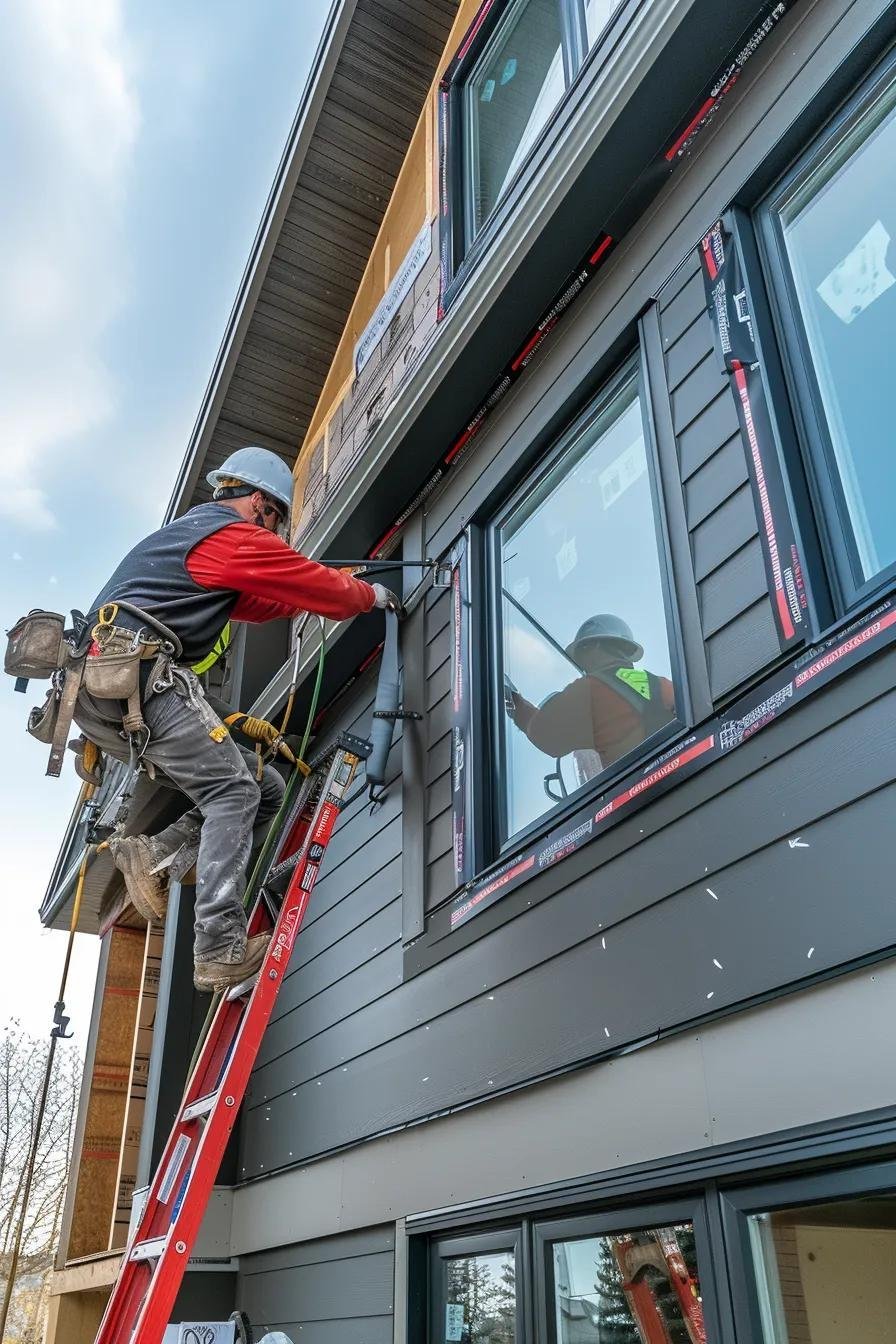
Our siding projects generally follow a clear sequence: consultation and site assessment, a detailed written estimate, scheduling and permitting if needed, material procurement, careful removal or overlay of existing cladding, professional installation with correct flashings and ventilation, then final inspection and cleanup. This workflow protects your home’s envelope by ensuring proper air and moisture barriers and correct fastener patterns for Calgary wind and hail conditions. Clear communication and a written scope reduce surprises and set expectations for timeline and responsibilities. The table below explains typical project stages, average durations and what homeowners should prepare for at each step.
This structured approach limits surprises and ensures a resilient installation suited to Calgary’s risks. If you’re ready to move forward, book a free consultation so we can provide a tailored, written estimate for your home.
What Can Homeowners Expect During Consultation, Estimation, and Installation?
The consultation is a hands‑on walk‑through: we spot existing damage, take measurements, and discuss materials and trim. The estimator will outline removal needs, insulation upgrades and any possible sheathing repairs. A detailed estimate lists materials, labour, disposal, permit requirements and an expected timeline so you can compare quotes fairly. On installation day, crews protect landscaping, remove old cladding if included, install weather barriers and flashings, fasten new siding with manufacturer‑recommended hardware, then finish trim and caulking. The project ends with a walkthrough covering warranties and maintenance items so you know how to keep the siding performing long term.
How Does Serenity Construction Ensure Quality and Quick Turnarounds?
Serenity Construction Ltd runs as a family‑owned Calgary business focused on clear, up‑front estimates, tight scheduling and local accountability for exterior remodeling projects. That means quicker responses, predictable timelines and a single point of contact through the job. We prioritise timely estimates, efficient scheduling and free consultations — which helps homeowners make decisions faster when storms or aging siding create urgency. If you want dependable timing and workmanship, request a free consultation and written quote to see how we plan your project.
Why Choose Serenity Construction for Your Calgary Siding Replacement and Repair?
Hiring a local contractor matters in Calgary: knowledge of local weather patterns, permit rules and supplier networks affects installation quality and long‑term results. Serenity Construction Ltd is a family‑owned, Calgary‑focused exterior remodeling firm offering siding replacement and repair along with related exterior services. Our core promises — quality craftsmanship, up‑front estimates, quick turnarounds and free consultations — match what homeowners want: transparent pricing and reliable scheduling. Below are a few key differentiators and how they translate to homeowner benefits.
Key differentiators and homeowner benefits:
- Family‑owned local focus: Direct accountability and personalised service mean faster communication and better follow‑through.
- Up‑front estimates and free consultations: Clear scopes and pricing reduce surprises and make budgeting easier.
- Quick turnarounds and craftsmanship emphasis: Timely projects with careful finishing reduce disruption and improve longevity.
These strengths shape how we manage projects and why customers often feel more confident choosing a family‑run team. If you want references or past project photos, we’re happy to share them during your consultation.
What Makes Serenity Construction’s Family-Owned Service Unique in Calgary?
Being family‑owned means decision‑makers stay closely involved in each job. That hands‑on approach usually results in quicker responses, consistent on‑site oversight and a reputation‑driven focus on quality. For Calgary homeowners, it also means we factor local climate challenges — hail, freeze‑thaw cycles and wind — into material recommendations and installation details. The result: clearer timelines and practical workmanship expectations. We recommend checking testimonials and references as part of your vetting process.
How Do Customer Testimonials Reflect Our Craftsmanship and Reliability?
Customer reviews often highlight punctuality, clear communication and attention to finish — all signs that projects were completed on schedule and with care. Summarising testimonial trends helps potential clients judge whether our workmanship matches their expectations and how we handle issues when they arise. We also use review schema and link to verified profiles to make past results easy to find. Positive feedback like this helps homeowners move confidently toward a decision; if you’d like, we’ll share recent references with your estimate.
What Are the Most Common Questions About Siding Options in Calgary?
Homeowners commonly ask which siding balances hail resistance, cost and upkeep, how much replacement costs, which materials hold up best in storms and how to decide between repair and replacement. This FAQ covers those practical concerns and offers clear next steps so you can act with confidence. The answers below are concise and aimed at moving you toward an on‑site assessment and a written estimate.
Frequently asked questions and direct answers:
- Which Type of Siding Is Best for Calgary’s Climate and Why?Insulated fiber cement or heavier‑gauge metal panels usually offer the best hail resistance and long‑term durability. If budget and low maintenance are top priorities, insulated vinyl is a solid compromise.
- How Much Does It Cost to Replace or Repair Siding in Calgary?Costs vary widely by material and house complexity — from more affordable vinyl jobs to higher‑cost fiber cement projects. Request a free, written estimate for accurate, home‑specific pricing.
- What Siding Materials Offer the Best Durability Against Hail Damage?Fiber cement and heavier‑gauge metal typically resist hail best. Repair thresholds depend on the extent of panel damage; discuss insurance coverage before choosing repair versus replacement.
- How Do I Choose Between Siding Repair and Replacement?Use a simple framework: consider how much of the façade is affected, the siding’s age, repair history and energy performance. If damage is widespread or the siding is near end‑of‑life, replacement is often the smarter long‑term choice.
Those answers point you toward an on‑site assessment as the most reliable way to determine scope and cost. Arrange a free consultation and we’ll provide a detailed written estimate tailored to your home.
Which Type of Siding Is Best for Calgary’s Climate and Why?
If your priority is resilience to hail and low long‑term maintenance, fiber cement and heavier‑gauge metal are the top picks because their toughness dissipates impact and resists moisture damage. When budget matters but you still want low upkeep, insulated vinyl is a practical compromise — it improves thermal performance and reduces brittleness in cold weather when properly specified. Wood or stucco may suit aesthetic or heritage goals, but they need more proactive care to withstand Calgary’s extremes. These tradeoffs should inform your lifecycle cost planning.
How Much Does It Cost to Replace or Repair Siding in Calgary?
Replacement costs depend on material choice, house size, access and whether the sheathing needs repair. Estimates should include disposal, trim work and any necessary insulation upgrades. A targeted site visit and written estimate will reveal hidden costs like sheathing replacement after hail or upgraded window and door flashings. For solid planning, get at least one detailed quote that lists material and labour line items so you can compare fairly.
What Siding Materials Offer the Best Durability Against Hail Damage?
On the hail‑resistance scale, fiber cement and heavier‑gauge metal top the list, followed by engineered wood and impact‑rated insulated vinyl; thin standard vinyl is more likely to dent. Repairability varies — vinyl panels are often easily swapped, while severe fiber cement cracks might need sectional replacement and stucco may require patching and resealing. Documenting pre‑storm conditions and understanding insurer expectations helps speed claims when hail causes damage.
How Do I Choose Between Siding Repair and Replacement?
Apply a short checklist: note the percentage of the façade damaged, the siding’s age, how often repairs have been needed and your home’s insulation performance. If damage affects a large portion of the exterior or the siding is near the end of its useful life, replacement typically offers better long‑term value. Consider energy savings and lower maintenance when weighing replacement versus repeated repairs. The best next step is a professional inspection and a free estimate to compare repair costs against replacement investment.
- Schedule a free consultation: We’ll do an on‑site assessment and provide a written estimate.
- Compare detailed quotes: Check scope, materials and timelines so there are no surprises.
- Plan for maintenance: Learn seasonal checks and post‑storm inspections to extend your siding’s life.
If you’d like, we’ll include references and recent job photos with your quote to help you choose confidently.
Frequently Asked Questions
What Factors Should I Consider When Choosing Siding for My Calgary Home?
Think about climate resilience, maintenance expectations, aesthetics and budget. Calgary’s hail and freeze‑thaw cycles mean you should prioritise materials and installation details that resist impact and keep moisture out. Also factor in long‑term maintenance costs and energy performance so your choice fits both your style and your wallet.
How Can I Improve the Energy Efficiency of My Home with Siding?
Choose insulated options like insulated vinyl or fiber cement with rigid foam backing to reduce thermal bridging and raise wall R‑value. Proper installation of air and moisture barriers is essential to avoid drafts and condensation. Regular upkeep — sealing gaps and checking for damage — preserves those efficiency gains over time.
What Are the Common Mistakes Homeowners Make When Choosing Siding?
Common missteps include picking the cheapest material without considering local climate, underestimating maintenance needs and skipping professional advice. A pretty finish that can’t handle Calgary hail or moisture will cost more over time. Do your research, consult local experts and compare detailed estimates to avoid surprises.
How Often Should I Inspect My Siding for Damage?
Inspect siding at least once a year, ideally in spring or fall. After severe weather — especially hail or strong winds — do a thorough check for dents, cracks or peeling. Catching small problems early prevents larger, more expensive repairs later.
What Should I Expect During the Siding Installation Process?
Expect a clear timeline: initial consultation, a written estimate, material ordering, surface prep and removal (if included), installation with proper flashings and barriers, and a final walkthrough. Good communication through the project keeps expectations aligned and reduces surprises.
Can I Install Siding Myself, or Should I Hire a Professional?
DIY may save money on labour, but for Calgary’s climate we generally recommend a professional. Proper flashing, air and moisture barriers, fastener patterns and finish work make a big difference in performance and longevity. Hiring experienced installers can prevent costly mistakes and ensure the warranty remains valid.
Conclusion
Picking the right siding for your Calgary home matters for durability, energy efficiency and curb appeal. Each material — from vinyl to fiber cement — has clear pros and cons depending on your priorities for cost, maintenance and lifespan. Armed with this information, you can make an informed choice that improves your home’s value and resilience. Ready to get started? Schedule a free consultation and we’ll provide a written estimate and recommendations tailored to your house.
Comments