



Vinyl vs. Wood Siding Calgary: Key Differences for Your Home Replacement Decision
Deciding between vinyl and wood siding for a full exterior replacement comes down to budget, look, climate resilience and how much upkeep you’re comfortable with. This guide explains what each material is, how they hold up in Calgary’s hail-prone, freeze-thaw climate, and which factors most affect lifetime cost and curb appeal. We compare upfront and long-term costs, durability, routine maintenance, environmental impact, and 2025 design trends so you can match your priorities to the right material. If you’d rather get professional guidance, Serenity Construction Ltd — a family-owned Calgary exterior remodeling contractor — offers climate-aware recommendations, transparent estimates, and free consultations to help plan your project. Below you’ll find practical pros and cons for vinyl and wood, a direct cost-and-durability comparison, Calgary-specific recommendations including permit notes, how Serenity works, and lifecycle considerations to help you choose with confidence.
What Are the Main Benefits and Drawbacks of Vinyl Siding in Calgary?
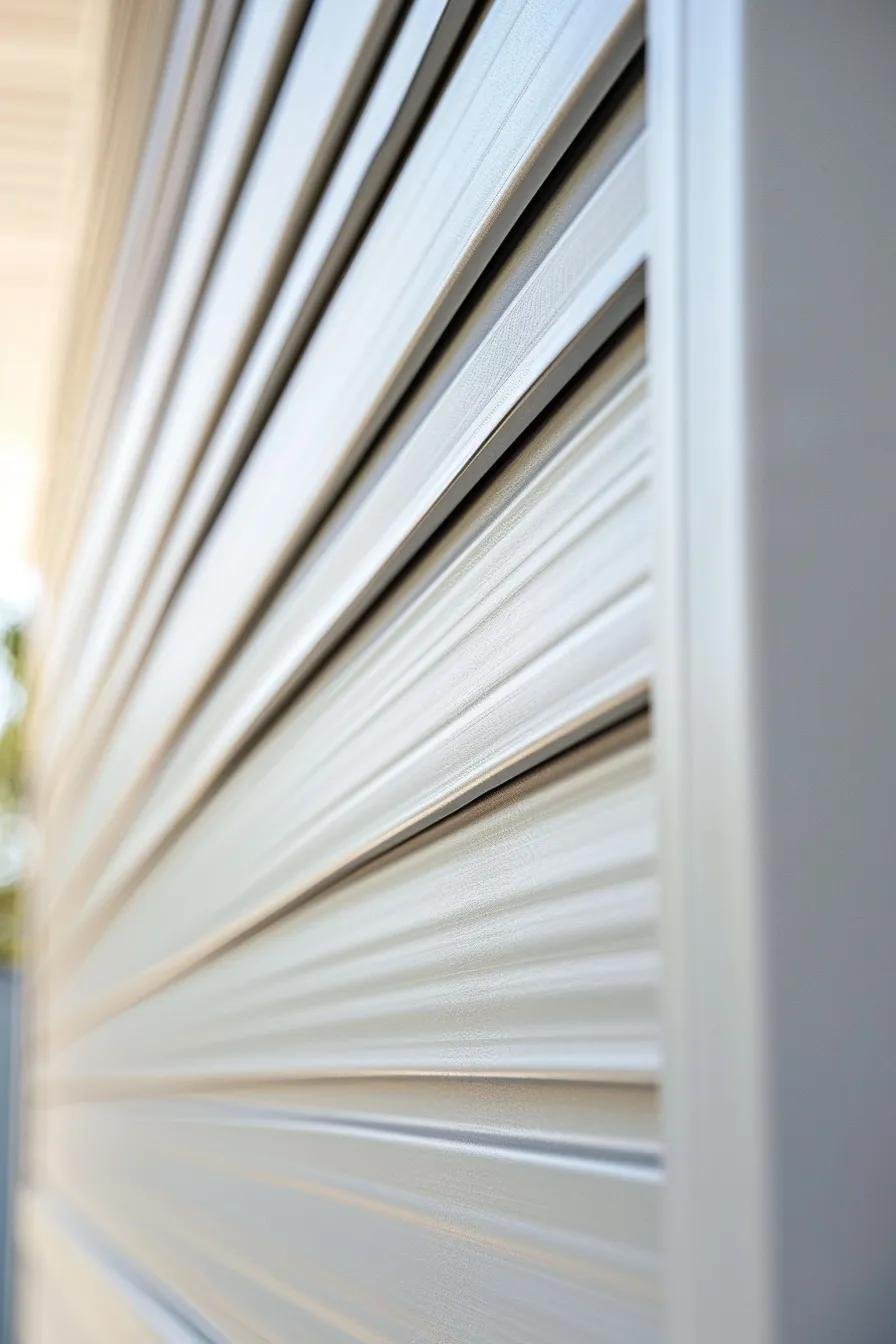
Vinyl siding is a polymer-based cladding available in traditional lap profiles and insulated panels. Homeowners value it mainly for lower upfront cost and light ongoing maintenance. Vinyl resists rot and insects, installs quickly and keeps short-term ownership costs predictable. Its trade-offs include potential brittleness in extreme cold, vulnerability to hail unless you use impact-rated products, and gradual colour fading from UV exposure — all of which depend on formulation, gauge and product quality. Knowing these trade-offs helps you decide whether you want the affordability and ease of vinyl or the long-term beauty of wood; the next section explains why vinyl is often the cheaper ownership choice and what its maintenance really looks like.
What Makes Vinyl Siding Cost-Effective and Low Maintenance?
Vinyl’s affordability comes from lower material prices and faster installation, which reduces labour and disruption. Cost drivers are panel grade, profile complexity, trim details and whether you opt for insulated vinyl — the insulated option costs more up front but can improve thermal performance and lower energy bills. Maintenance is mostly preventive: occasional washing, checking trim and flashings after storms, and replacing panels only when they’re visibly damaged. These tasks are generally less expensive than repainting wood. Expect light cleaning every 1–3 years and a visual inspection after major weather events to keep ownership predictable. That steady, low-effort profile contrasts with wood, which trades higher upkeep for aesthetic payoff.
Three practical, cost-related advantages of vinyl for Calgary homeowners:
- Lower initial material and installation costs than many wood options, easing upfront budget pressure.
- Simple ongoing maintenance — mainly washing and spot repairs — which reduces lifetime upkeep hours.
- Available insulated vinyl panels that add R-value and can help cut heating costs over time.
These advantages make vinyl appealing for homeowners prioritizing lower short-term project costs and straightforward maintenance. Next we’ll look at how Calgary weather can change that picture.
How Does Vinyl Siding Perform Against Calgary’s Weather Challenges?
Vinyl resists rot and insect damage, but it can be susceptible to hail, UV fading and embrittlement during severe freeze cycles depending on product thickness and formulation. Impact resistance improves with heavier-gauge panels and impact-rated systems; insulated vinyl also helps stabilize thermal movement and reduce warping during temperature swings. Practical ways to reduce weather-related problems include choosing thicker, impact-rated profiles, lighter colours to lower heat-related expansion, and careful flashing and underlayment to keep moisture out at joints and openings. If storm exposure is a concern, upgrading to impact-rated or heavier-gauge vinyl and using professional installation are effective steps to protect appearance and limit repairs — which leads us into the wood siding comparison for Calgary’s climate.
Vinyl performance tips for Calgary at a glance:
- Choose impact-rated or thicker profiles in hail-prone areas.
- Consider insulated vinyl to reduce thermal movement and add R-value.
- Use professional installation and correct flashing to prevent moisture problems.
Following these choices helps preserve vinyl’s low-maintenance promise while reducing climate-related failure modes, setting the stage to compare wood siding.
What Are the Advantages and Disadvantages of Wood Siding for Calgary Homes?
Wood siding — from cedar and pine to engineered wood — delivers natural warmth, texture and customization. It contributes to curb appeal and can pair well with insulation upgrades to improve whole-wall performance. But wood also requires more attention: it’s susceptible to moisture, pests and freeze-thaw cycles unless it’s carefully detailed and routinely maintained. Owners must weigh the ongoing maintenance commitment against the premium look and feel wood provides. The sections below explain why wood remains popular for its appearance and insulation value, and outline realistic maintenance expectations for Calgary.
Why Is Wood Siding Valued for Its Natural Beauty and Insulation?
Homeowners choose wood for its grain, texture and the architectural depth it adds — from clapboard to board-and-batten. Solid and engineered wood products contribute modest R-value and work well with continuous insulation to improve energy performance when detailed correctly. Engineered wood keeps much of the wood look while offering improved dimensional stability and often better moisture resistance, reducing some traditional wood risks. Those qualities make wood a strong option if curb appeal and authentic finishes are top priorities.
What Maintenance Is Required to Protect Wood Siding in Calgary’s Climate?
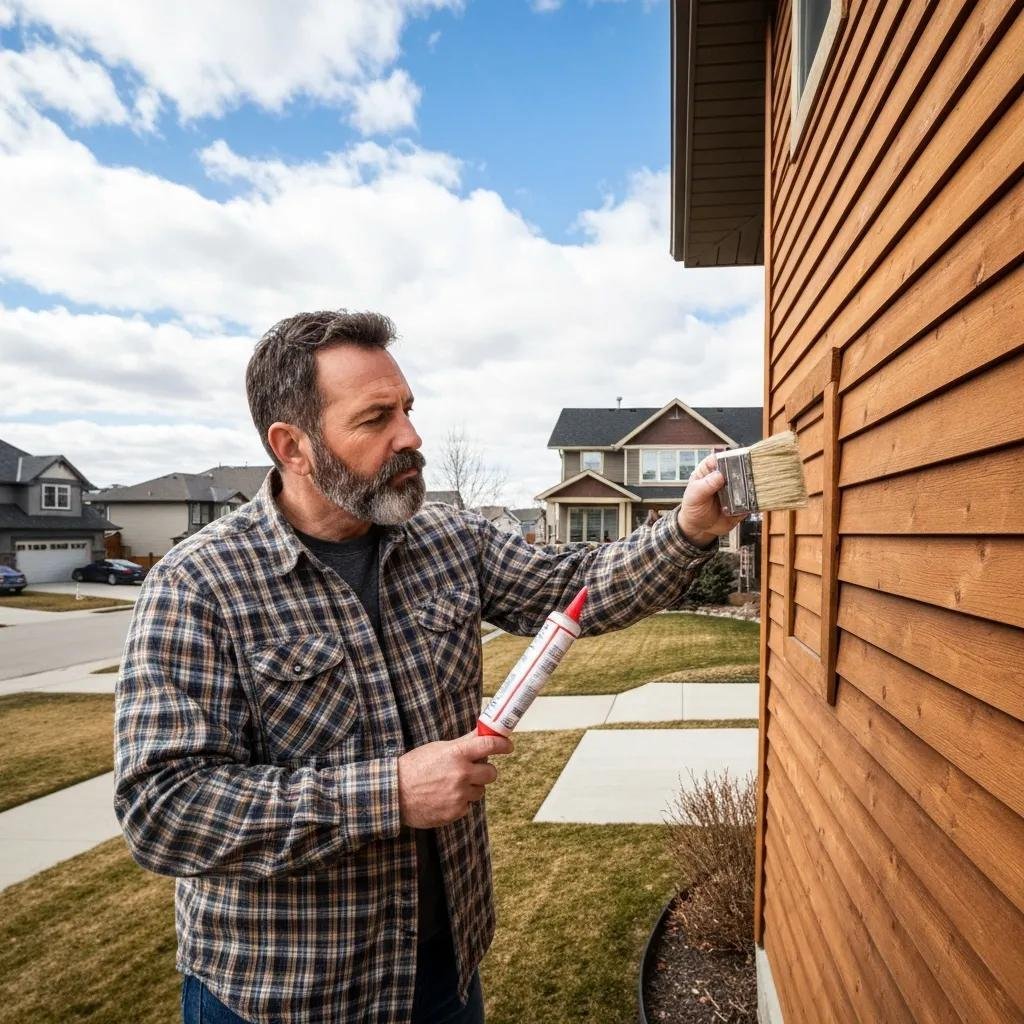
Keeping wood siding healthy in Calgary means a disciplined maintenance schedule: annual inspections, repainting or restaining on a planned cycle, and proactive moisture control around eaves, windows and foundation transitions. Plan for repainting or restaining every 3–7 years depending on exposure and finish, routine caulking of seams and prompt repair of any water intrusion or insect damage to stop rot. When you factor in repaint cycles, patch repairs and occasional board replacement, long-term ownership costs for wood can exceed initial savings versus vinyl. A maintenance-first approach is essential for wood to reach a multi-decade lifespan, and understanding those recurring costs feeds directly into an objective cost-and-durability comparison.
Wood maintenance checklist for Calgary homeowners:
- Inspect siding and flashings annually and after strong storms.
- Repaint or restain every 3–7 years, depending on exposure and finish quality.
- Re-caulk seams and trim and repair any local rot immediately.
How Do Vinyl and Wood Siding Compare in Cost, Durability, and Maintenance?
An itemized comparison helps translate aesthetic choices into lifecycle costs, expected failure modes and maintenance commitments. The table below outlines initial and long-term cost drivers and typical lifespans for vinyl and wood options. For a precise estimate, Serenity Construction Ltd provides up-front pricing and a free consultation to model installation costs and maintenance scenarios for either material.
This comparison shows vinyl often lowers initial cost and routine effort, while wood can deliver longer-lived beauty at a predictable, higher maintenance cost. Next we translate those differences into initial versus long-term ownership costs.
What Is the Initial and Long-Term Cost Difference Between Vinyl and Wood Siding?
Upfront cost is often decisive: vinyl usually has lower material and labour costs per square foot than natural wood, though insulated vinyl and premium engineered wood narrow the gap. Over decades, wood’s scheduled repainting and more frequent professional interventions add up, while vinyl’s lower recurring maintenance can result in a lower total cost of ownership in many cases. Other costs to consider include trim replacement, disposal of old siding and any insulation upgrades. Modeling these items over a 10–30 year window helps homeowners choose based on lifecycle cost rather than only initial price. Next, we look at how each material stands up to Calgary weather.
How Do Durability and Weather Resistance Differ Between Vinyl and Wood?
Durability follows material properties: vinyl resists rot and pests but can crack from hail or extreme cold unless you upgrade product spec; wood can be more impact-tolerant in some profiles but is vulnerable to moisture-driven decay without active maintenance. Installation quality is a major factor for both: correct underlayment, flashing and ventilation reduce moisture failures and extend service life. In hail-prone areas consider impact-rated vinyl or fiber cement; if you want a traditional wood look, engineered wood with durable coatings reduces swelling and rot risk. These trade-offs let you match the material to your site’s exposure and your willingness to maintain finishes.
What Are the Maintenance Requirements for Each Siding Type?
Vinyl maintenance is predictable — cleaning, storm inspections and occasional panel replacement — while wood requires an active maintenance program: sealing, repainting, re-caulking and pest/rot management to last. DIY-friendly chores for both include seasonal inspections, keeping gutters clear to avoid splashback and addressing flashing failures swiftly. Professional work is recommended for repainting, larger repairs and moisture diagnostics. When choosing DIY or contractor work, factor in complexity, safety and warranty effects; professional installation and periodic servicing typically lower lifetime repair frequency and help preserve resale value. The next section ranks materials for Calgary’s specific climate and covers permit guidance.
Which Siding Material Is Best Suited for Calgary’s Unique Climate?
Given Calgary’s hail risk, strong UV and wide temperature swings, practical top picks are insulated vinyl or engineered wood with durable finishes for balanced performance. Fiber cement is a solid alternative where impact and moisture resistance are priorities. In short: pick insulated vinyl for low-maintenance performance and energy gains, engineered wood for high-end looks with managed maintenance, or fiber cement for maximum durability against hail and moisture. The table below maps climate stressors to material performance and local recommendations.
How Does Calgary’s Hail and Temperature Swings Affect Siding Choices?
Frequent hail raises the value of impact-resistant claddings or thicker vinyl and fiber cement products because hail damage, while often local, can be expensive to repair. Large daily and seasonal temperature swings increase thermal expansion and contraction, so choose products built for dimensional stability (insulated vinyl, engineered wood) and allow correct installation tolerances to avoid warping and buckling. Proper detailing — continuous flashing, adequate ventilation behind cladding and high-quality fasteners — is critical to limit climate-driven failures and extend service life. A site-specific review of exposure helps decide whether aesthetics or resilience should lead your choice.
What Local Building Codes and Permits Should Homeowners Consider?
Siding replacement can trigger municipal permits depending on scope, structural changes and insulation upgrades. Check City of Calgary rules and plan for code-compliant practices such as fire separation, venting and proper eave detailing. Working with a local contractor familiar with Calgary codes reduces permit risk and smooths inspections — experienced teams can manage submissions and ensure compliance. Projects that include insulation or structural work are more likely to need a permit and will require plan review and inspections that a contractor can coordinate. Getting local expertise involved early minimizes future liability and resale headaches.
How Can Serenity Construction Ltd Help with Your Vinyl or Wood Siding Replacement?
Serenity Construction Ltd handles siding replacement and repairs as part of their exterior remodeling services, offering up-front estimates, free consultations and installations informed by Calgary’s climate. As a family-owned Calgary contractor, they focus on solid craftsmanship, reliable scheduling and recommendations that balance looks, durability and cost. Below is the typical process for a siding replacement, with a clear invitation to request a free consultation for a site-specific quote and material recommendation.
- Initial inspection and assessment: a thorough site review to document exposure, substrate condition and insulation needs.
- Up-front estimate and material selection: transparent pricing and options (vinyl, insulated vinyl, natural or engineered wood) with a written estimate.
- Scheduling and installation: an agreed timeline, professional installation with correct underlayment, flashing and clean-up.
- Final walkthrough and warranty discussion: review of completed work plus recommended maintenance and warranty details.
This step-by-step process sets clear expectations and milestones for homeowners getting ready for a siding project. The sections below expand on each step and explain why homeowners choose Serenity and how to request a consultation.
What Is Serenity Construction’s Siding Replacement Process in Calgary?
Serenity starts with a free consultation and on-site inspection to document existing conditions, identify substrate or insulation needs, and discuss your design goals. That inspection produces an up-front estimate so you don’t get surprised. After you pick materials, Serenity schedules the job, sources products suited to Calgary’s climate and completes installation with attention to flashing, ventilation and trim details that reduce long-term risk. Projects finish with a walkthrough to confirm satisfaction, maintenance guidance and explanation of any workmanship assurances. This transparent process helps homeowners plan budgets and timelines with confidence.
Why Choose Serenity Construction for Your Calgary Siding Installation?
Serenity Construction stands out as a family-owned local contractor focused on exterior remodeling. They combine climate-aware recommendations with up-front estimates and free consultations, streamlined schedules that limit disruption, and installation practices that emphasize proper flashing and underlayment for long-term performance. Working with a local exterior specialist helps ensure code familiarity and faster response for warranty or maintenance needs after the job is done. Those practical trust factors make Serenity a dependable partner for homeowners who want solid results and clear communication.
Key reasons to consider Serenity Construction:
- Family-owned, local contractor specializing in exterior remodeling and siding replacement.
- Up-front written estimates and a free consultation to reduce surprises.
- Focus on craftsmanship, efficient timelines and climate-informed installations.
How Can You Request a Free Consultation for Siding Replacement?
To request a free consultation and up-front estimate, contact Serenity Construction via their website or public business profile to schedule an on-site inspection. The consultation usually includes a visual assessment, a discussion of material options and a written estimate. Expect the meeting to cover exposure analysis, the pros and cons of recommended materials for your home, and a suggested timeline for installation. Provide property details and preferred timing when booking to speed up scheduling. A free consultation is the first practical step toward a climate-informed recommendation and an accurate cost estimate for your Calgary siding project.
What Are the Environmental and Aesthetic Considerations When Choosing Vinyl or Wood Siding?
Siding choice affects embodied energy, recyclability, energy performance and curb appeal — factors homeowners weigh more now than ever. Vinyl’s manufacture involves petrochemical inputs and has limited recycling in many regions, though insulated vinyl can reduce operational energy by improving whole-wall R-value. Wood can be renewable with responsible sourcing and has lower embodied energy, but maintenance cycles and coatings affect lifecycle performance. Engineered wood aims to balance look and material efficiency. The table below summarizes environmental attributes so you can weigh lifecycle trade-offs alongside aesthetic priorities.
How Do Vinyl and Wood Siding Impact Energy Efficiency and Sustainability?
Energy performance is driven more by whole-wall assembly than cladding alone. Insulated vinyl or adding continuous exterior insulation raises effective R-value and cuts heat loss; wood performs well when paired with cavity and continuous insulation. Homeowners focused on sustainability might choose engineered wood from responsible sources or insulated claddings that reduce operational emissions despite higher manufacturing impacts. Practical sustainability upgrades include specifying higher-performance underlayments, choosing thicker or insulated cladding options and selecting materials with known end-of-life recovery streams where available.
What Are the Latest Trends in Siding Styles and Colors for Calgary Homes?
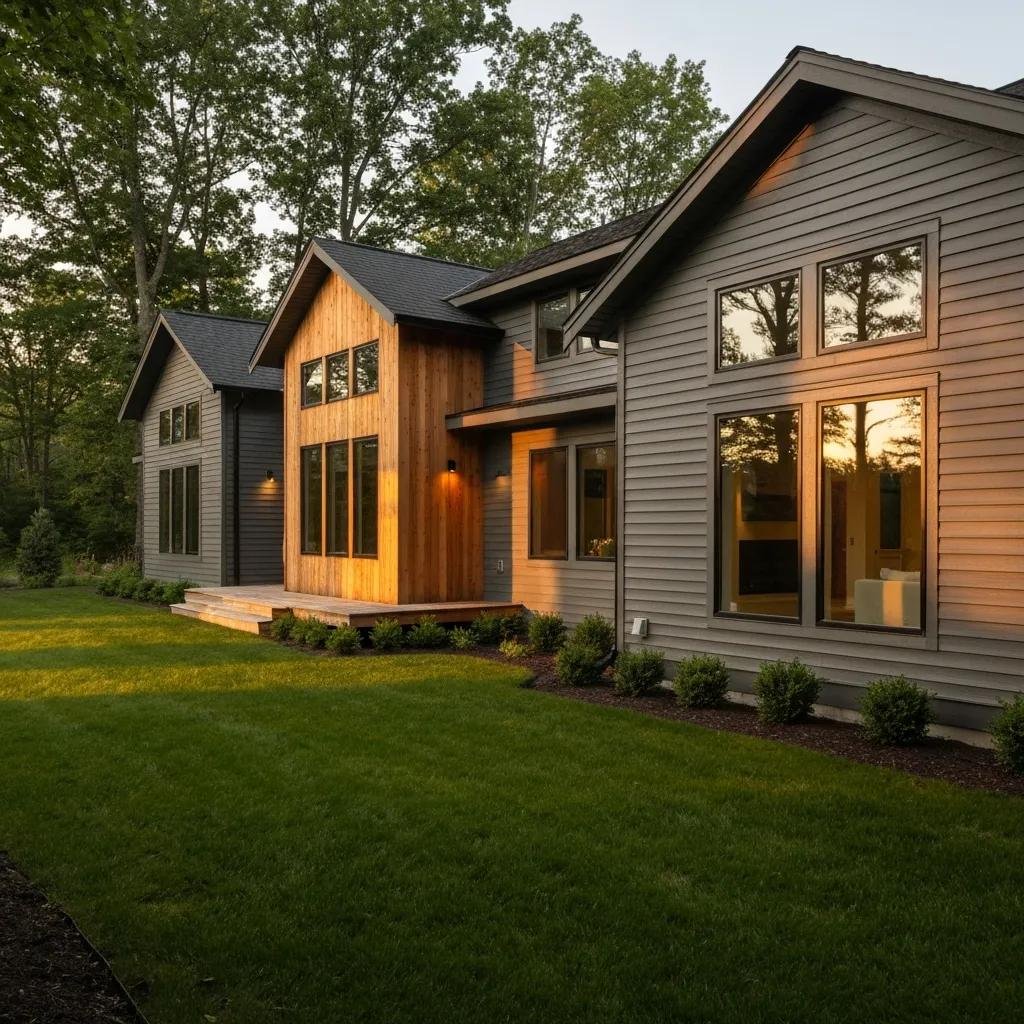
Trends in 2025 favour mixed textures, vertical accents like board-and-batten, and engineered materials that mimic wood while offering improved stability. Homeowners often combine horizontal lap with vertical panels or textured engineered wood accents to add architectural interest and modern curb appeal. Popular palettes balance contemporary looks with neighbourhood compatibility to protect resale value. Pairing trend-forward styles with climate-appropriate materials delivers standout aesthetics without sacrificing long-term performance.
Trending style tips for Calgary:
- Pair horizontal lap with vertical board-and-batten accents for visual depth.
- Use engineered wood or insulated vinyl to get a wood look with better durability.
- Choose palettes that fit your neighbourhood to preserve resale value.
These approaches let homeowners modernize façades while keeping materials that suit Calgary’s climate.
Frequently Asked Questions
1. What are the environmental impacts of vinyl and wood siding?
Vinyl siding is made from petrochemicals, giving it higher embodied energy and often limited recycling options. Wood can be renewable when sourced sustainably and usually has lower embodied energy, but its maintenance needs (paints, stains) affect total lifecycle impact. Engineered wood can reduce waste and improve efficiency while keeping a wood-like appearance. Consider your sustainability goals and local recycling options when choosing.
2. How do I choose the right siding material for my budget?
Compare upfront costs and long-term maintenance. Vinyl generally has lower initial cost and minimal upkeep, making it budget-friendly short term. Wood costs more up front but can deliver lasting curb appeal that may justify the investment. Think about how much time and money you’ll commit to maintenance over the years to choose what fits your budget and priorities.
3. What are the best practices for maintaining vinyl siding?
Keep vinyl looking good with simple care: wash it every 1–3 years to remove dirt, inspect after severe storms, and fix visible damage quickly. Check trim and flashings regularly to prevent moisture entry. These routine tasks preserve appearance and avoid more costly repairs.
4. How does the choice of siding affect home resale value?
Siding influences curb appeal and buyer perception. Vinyl appeals to budget-focused buyers for its low maintenance and durability. Wood is prized for natural beauty and can boost curb appeal for buyers seeking high-end finishes. Choosing materials that suit local architecture and neighbourhood character helps protect resale value.
5. What are the common mistakes homeowners make when choosing siding?
Common mistakes include focusing only on initial cost, overlooking climate compatibility, and ignoring the home’s overall aesthetic. Those choices can lead to higher long-term expenses or poor curb appeal. Consulting a knowledgeable contractor helps avoid these pitfalls.
6. How do I know if my siding needs to be replaced?
Look for visible damage like cracks, warping or severe fading. Rising energy bills can indicate poor insulation or moisture intrusion. Frequent repairs are another sign your siding may be near the end of its useful life. A professional inspection will clarify whether repair or full replacement is the right move.
7. What are the latest trends in siding materials and styles?
Current trends favor mixed textures, bold but neighbourhood-appropriate colours, and engineered materials that mimic wood with less maintenance. Vertical accents like board-and-batten are popular for added dimension. These trends let homeowners make stylish choices that still perform well in Calgary’s climate.
Conclusion
Choosing between vinyl and wood for your Calgary home comes down to balancing cost, maintenance and appearance against local climate realities. Vinyl offers lower upfront cost and easier upkeep; wood delivers lasting beauty at the price of more regular maintenance. For a tailored recommendation and a clear estimate, reach out to Serenity Construction Ltd for a free consultation. Start exploring your siding options today to improve your home’s performance and curb appeal.
**
Comments