




How to Choose a Deck Contractor: Key Factors to Evaluate When Hiring a Local Deck Builder
Picking the right deck contractor makes a big difference in how your project turns out. This guide walks you through the practical things to check before you hire: clear communication, proven experience, reliable scheduling, quality materials, tidy job sites, and strong follow-up. We also cover licensing and insurance, reputation checks, planning and permits, material choices, budgeting, and how to keep communication smooth from start to finish.
Choosing a qualified contractor is a well-recognized step in planning major residential projects like deck construction.
Hiring a Contractor for Residential Deck Construction
The Energy Optimizer (TEO) Company Limited has been selected to construct a three-bedroom, two-bathroom open-concept home with an enclosed garage and large outdoor deck.
PROJECT MANAGEMENT PLAN FOR THE CONSTRUCTION OF A NEW BUNGALOW RESIDENCE AT PARCEL 3972 GREEN ESTATE, LORD'
S BANK, BELIZE, 2022
Why are licensing and insurance important when hiring a deck contractor?
Licensing and insurance matter because they reduce risk. A licensed contractor follows local rules and building standards. Proper insurance protects you if someone is injured or property is damaged during the job. Always ask to see a contractor’s credentials so you know your project and your home are covered.
What licensing and insurance should a Calgary deck builder have?
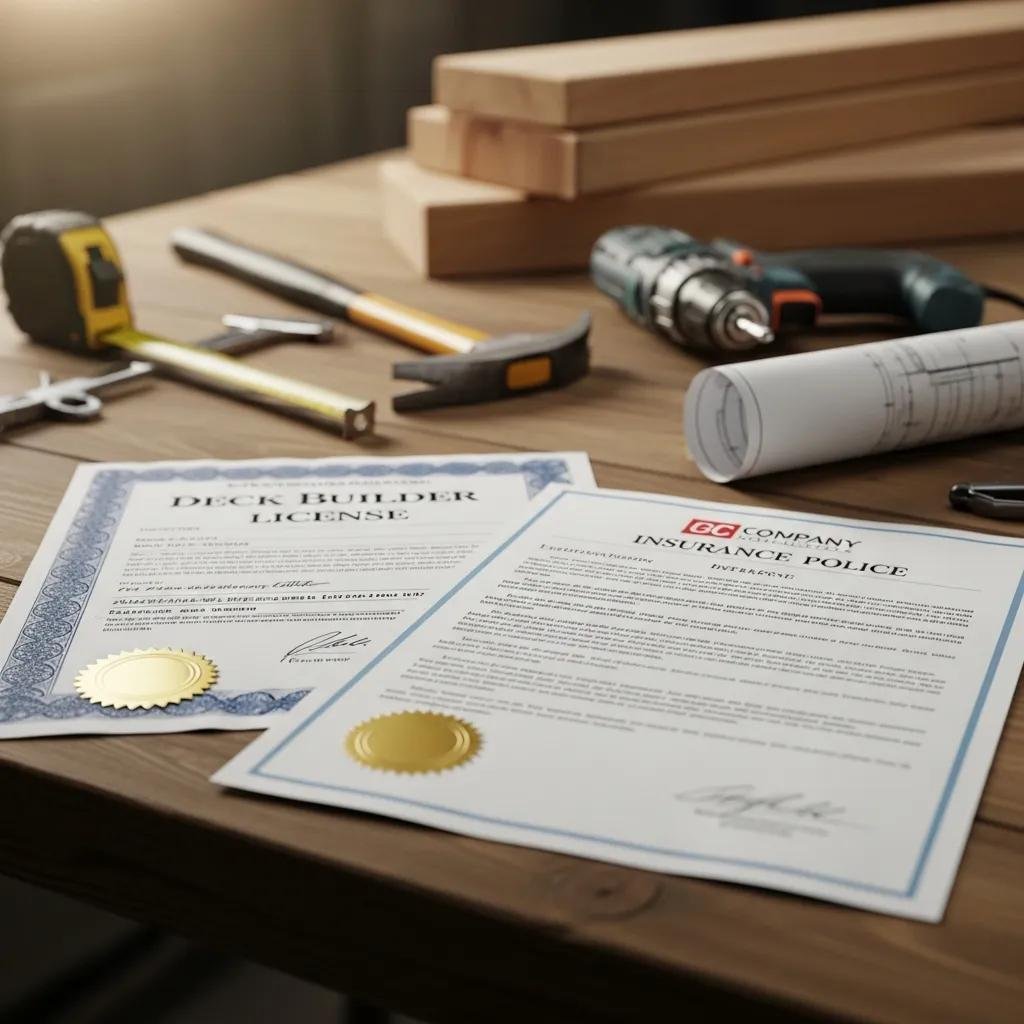
In Calgary, look for a business license and any trade certifications relevant to deck building. Contractors should carry liability insurance and workers’ compensation coverage. These protect both you and the crew if accidents or damage happen while work is underway.
How do licensing and insurance protect homeowners?
Licensing helps ensure work meets local building codes, which reduces the chance of costly fixes later. Insurance covers medical or repair costs if something goes wrong on site. Together, they give you clearer recourse and peace of mind during the build.
How to verify a deck contractor’s experience and reputation in Calgary
Start by reading customer reviews and testimonials to see how contractors handle communication, timelines, and quality. Ask for references and review portfolios of completed projects. Good feedback will often mention responsiveness, attention to detail, and how well the team cleaned up after the job.
What to look for in deck builder portfolios and references
When you review portfolios and talk to past clients, pay attention to:
- Quality of work: Evidence of durable materials and solid craftsmanship.
- Communication: Was the contractor easy to reach and clear about expectations?
- Attention to detail: Did they follow up on requests and correct issues?
- Timeliness: Did projects finish on schedule or with reasonable updates?
- Cleanliness: Was the site left tidy after completion?
These signals help you judge a builder’s reliability and workmanship.
Why is local Calgary experience important for deck projects?
Local experience matters because Calgary has specific codes and a climate that affects materials and build methods. A contractor familiar with local permits and weather patterns can recommend the right materials and design choices to keep your deck lasting longer.
What are the key considerations for project planning and permits?
Good planning and the right permits keep your project legal and on track. A clear plan sets expectations for budget and timeline, and permits ensure work meets safety and structural rules. Skipping permits can lead to fines or required rework, so work with a contractor who understands the permitting process.
How do Calgary building codes and permits affect deck construction?
Calgary’s codes dictate design, materials, and safety requirements. Permits confirm that the project follows those rules. Without proper permits you can face penalties or forced changes after the deck is built, so it’s important to handle permitting before construction begins.
What is the typical deck construction process with a professional contractor?
A professional build usually follows these steps:
- Initial consultation: Talk about your vision, budget, and timeline.
- Design and planning: Create plans that meet your needs and local rules.
- Permitting: Secure required permits before starting work.
- Construction: Build the deck to the agreed design and standards.
- Final inspection: Confirm the finished deck meets safety and quality expectations.
That sequence helps avoid surprises and keeps the project organized.
How to choose the best deck materials for Calgary’s climate
Material choice affects durability, upkeep, and appearance. Calgary’s cold winters and warm summers mean you should pick materials that handle freeze-thaw cycles and temperature swings without excessive maintenance.
What are the pros and cons of composite vs. wood decking?
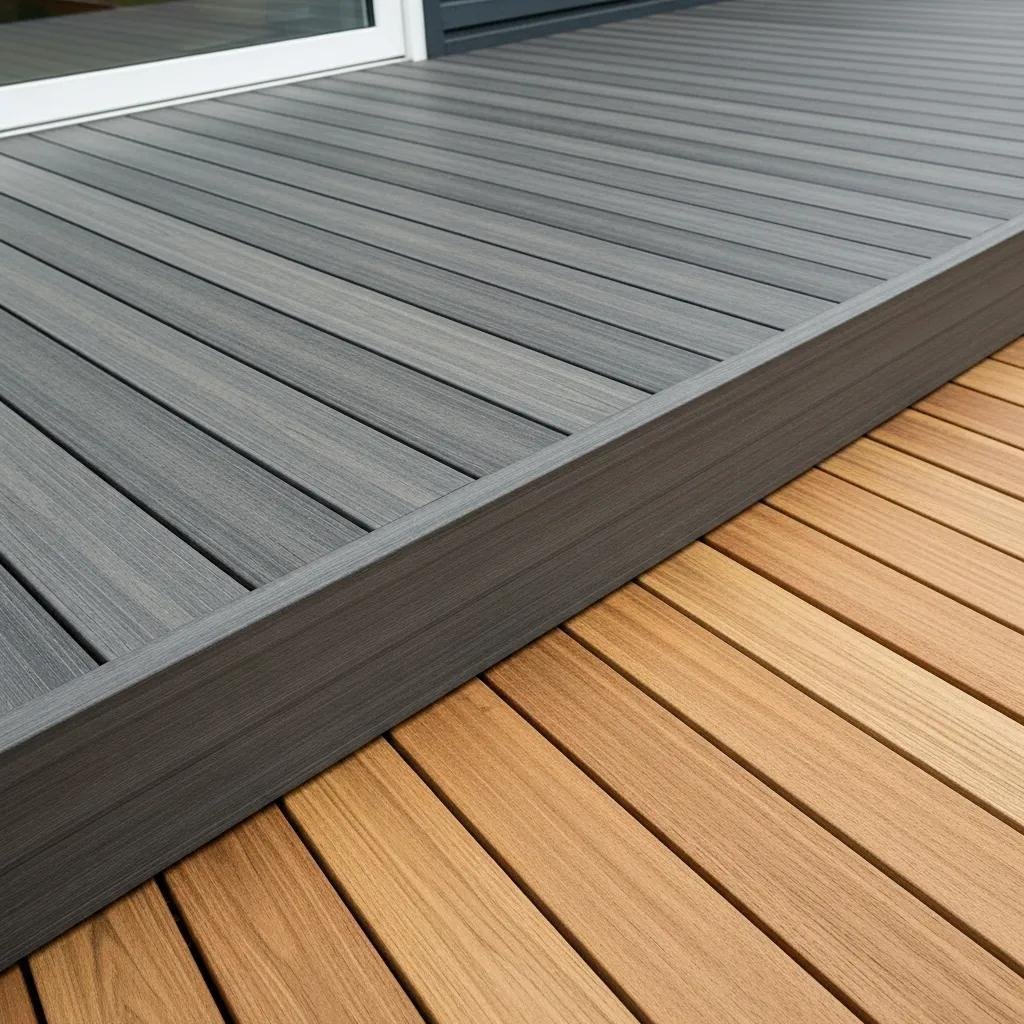
Compare these options:
- Composite decking:Pros: Low maintenance, resists rot and insects, available in many colors and finishes.Cons: Higher upfront cost; some products can fade or stain over time.
- Wood decking:Pros: Natural look, usually lower initial cost, can be refinished.Cons: Needs regular maintenance and is more vulnerable to rot, insects, and weathering.
Choose based on how much upkeep you want and the look you prefer.
How does Calgary’s climate impact deck material durability?
Freeze-thaw cycles and temperature swings can cause wood to crack, warp, or rot if not properly maintained. Composite materials are engineered to handle those shifts better, but quality varies by brand. Pick materials proven for local conditions to get the best lifespan.
What financial factors should you consider when hiring a deck builder?
Know the full costs up front: materials, labor, permits, and any site prep. That helps you avoid surprise expenses and keeps the project within your budget.
How to obtain and compare detailed deck estimates
Request written estimates from several reputable companies, like YYC Serenity Construction. Share clear project details—measurements, materials, and desired finish—so quotes are comparable. Then compare price, materials, schedule, and how clearly each contractor communicates.
What should you know about warranties and contract terms?
Review warranties for materials and workmanship so you know what’s covered and for how long. Check contract terms for payment schedule, milestones, and change-order procedures. Clear terms protect you and make it easier to resolve issues if they arise.
How to ensure effective communication and build trust with your deck contractor
Open communication from day one builds trust and keeps the project moving. Agree on a primary contact, set regular check-ins, and confirm changes in writing.
What questions should you ask deck contractors before hiring?
Ask:
- What is your experience with similar projects?
- Can you provide references from recent clients?
- Which materials do you recommend for my location?
- How do you handle changes or unforeseen issues?
- What is your estimated timeline for completion?
These questions help you compare contractors on experience, reliability, and approach.
How to assess a contractor’s communication style and responsiveness
Look for these signs:
- Response time: Do they reply promptly to calls and messages?
- Helpfulness: Do they explain options and answer questions clearly?
- Follow-up: Do they address feedback and fix issues quickly?
- Clarity: Are timelines, costs, and responsibilities spelled out clearly?
- Overall satisfaction: Do reviews and references show happy customers?
Good communication reduces confusion and keeps the job on track.
Frequently Asked Questions
What should I do if my deck contractor is not meeting deadlines?
Start by talking with the contractor to understand what's causing the delay. Ask for a revised timeline and any steps they’ll take to catch up. If delays persist, check your contract for delay clauses and discuss remedies. Clear, documented communication often resolves issues without escalation.
How can I ensure the quality of materials used in my deck project?
Ask to see samples and brand names for the materials proposed. Research those brands and read reviews. Request examples of finished projects using the same materials. A transparent contractor will explain where materials come from and why they chose them.
What are common mistakes to avoid when hiring a deck contractor?
Don't skip reference checks, omit verifying licenses and insurance, or sign a vague contract. Avoid choosing purely on the lowest price—quality and reliability matter. Be clear about expectations and get important details in writing.
How can I prepare my property for deck construction?
Clear the work area of furniture, plants, and obstacles. Provide easy access for materials and equipment. Discuss any necessary landscaping or grading with your contractor ahead of time, and let neighbors know about the upcoming work.
What should I do if I have concerns during the construction process?
Raise concerns promptly with the contractor and request a time to review them on site. Keep written records of issues and communications. If problems remain unresolved, consider mediation or legal advice as a last resort.
Are there specific building codes I should be aware of in Calgary?
Yes. Calgary enforces codes that cover structural safety, material use, and other standards for decks. Work with a contractor who knows local rules and can manage permits. You can also consult the City of Calgary’s resources for details.
What are the benefits of hiring a local deck contractor?
Local contractors know Calgary’s codes, climate, and supplier network. They can recommend materials that hold up locally and often provide faster access to parts or service. Hiring local also supports the community and makes follow-up easier.
Conclusion
Choosing the right deck contractor sets the tone for a smooth, successful project. Focus on licensing, experience, clear communication, and materials that suit Calgary’s climate. When you vet contractors carefully and get details in writing, you’re far more likely to enjoy a durable, well-built deck. Reach out to local professionals to get estimates and find the right fit for your outdoor space.
Comments