


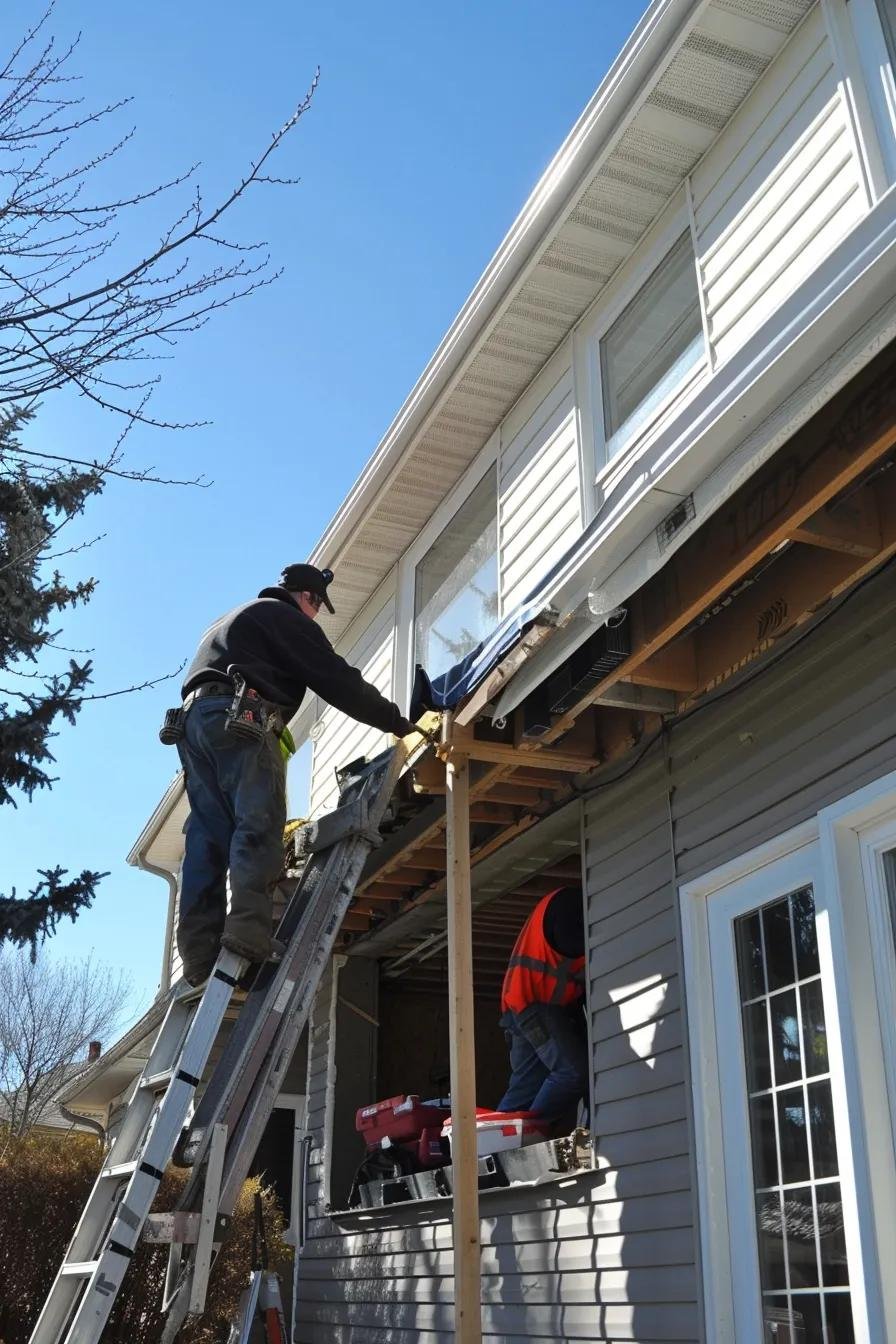

Choosing Exterior Renovation Contractors in Calgary: A practical guide to hiring the right team
Finding the right exterior renovation contractor in Calgary means more than scrolling listings — it means being clear about scope, permits, materials and how our local climate affects long‑term performance. This guide explains what an exterior renovation contractor does, why careful selection protects your investment, and how a good contractor delivers safety, weather‑appropriate materials and a better curb appeal. Homeowners often overlook permit triggers, material trade‑offs and the communication routines that keep projects on schedule and on budget; this guide tackles those issues with practical checklists and Calgary‑specific tips. You’ll learn how to define project goals, vet contractors with concrete criteria, estimate typical local costs, choose materials that stand up to our weather, navigate permit requirements, and secure contracts and warranties that protect you after the work finishes. Each H2 section includes actionable lists, comparison tables and the exact questions to take to consultations so you can compare like‑for‑like quotes and hire with confidence. Follow these steps and you’ll know when to request an on‑site consultation to confirm scope, budget and timelines.
What should Calgary homeowners define before hiring an exterior renovation contractor?
Define your project before you call contractors so quotes are comparable and meaningful. A clear scope spells out whether you need repair or replacement, which materials you prefer, and the outcomes you want — for example, improved energy performance or low maintenance. That clarity reduces scope creep and surprise costs. Start by noting the visible issues (rot, cracked siding, loose railings), your desired results (durability, curb appeal, accessibility) and non‑negotiables (permit compliance, warranty expectations). These details help contractors produce precise proposals and shape questions about timeline, staging and site access that affect the final estimate and schedule.
Which exterior renovation services do you need? Decks, fences, siding, windows or doors?
Begin with a careful inspection: structural damage, water intrusion, insulation gaps or cosmetic wear determine whether a repair or full replacement is the right choice. Where there’s rot, framing damage or ongoing leaks, replacement is usually safer and more cost‑effective over time; cosmetic problems like peeling paint or a few damaged boards can often be repaired. List the exterior renovation services that match your priorities — a new deck for usable outdoor space, siding replacement for better weather protection and efficiency, or window and door upgrades to reduce drafts — and rank them by urgency. Treat common categories like decks, fences, siding work, custom stairs and window/door replacement as templates for defining scope and comparing contractor expertise; they make it easier to request comparable bids.
How to set realistic design and functionality expectations for your Calgary home exterior?
Balance looks, longevity and maintenance when setting expectations: premium materials usually cost more up front but lower long‑term upkeep and replacement frequency. Consider Calgary’s freeze‑thaw cycles, strong UV exposure and wind‑driven moisture when prioritizing materials that resist swelling, fading and water ingress. Ask contractors to explain trade‑offs between initial cost and lifecycle performance. Be specific about finish, colour palette and functional features — rail heights, exterior lighting, integrated drainage — so those choices appear in the contract rather than as post‑install change orders. Understanding these trade‑offs upfront naturally leads into how to evaluate contractor competence during vetting.
How do you vet exterior renovation contractors in Calgary? Essential criteria for homeowners

Vetting contractors means confirming legal credentials, reviewing relevant project experience and checking operational systems like communication, permit handling and quality control that predict project outcomes. Use a structured vetting checklist to compare candidates objectively: licenses and insurance, portfolio relevance, client references and responsiveness. In early calls, ask how contractors document scope, handle change orders and communicate schedules to avoid surprises later. Proper vetting also exposes red flags such as vague estimates, poor paperwork or reluctance to provide references.
What licenses, insurance, and certifications should a Calgary contractor have?
Contractors should carry general liability insurance and appropriate workers’ compensation coverage to protect you from third‑party claims and workplace injuries — ask for written proof and policy details. Trade certifications vary, but confirm whether the contractor knows City of Calgary permit procedures and building code requirements; that local expertise reduces approval delays and rework. Verify business registration or trade licensing as applicable, and make sure the contract states who is responsible for permits and inspections. These credential checks lead into evaluating portfolio relevance and specialization for your project.
After confirming credentials, look for practical signals of a customer‑focused operation: family‑run teams that manage permits, provide transparent estimates, offer free consultations and emphasize code‑compliant installs often combine personal accountability with sound processes. Some Calgary contractors advertise family ownership, permit management and no‑cost consultations as part of their service — useful markers when comparing options. Use these positive signals as models: they show how policies translate into smoother projects and fewer surprises.
How to assess contractor experience, portfolio, and specializations?
Review portfolios for work that matches your scope, material choices and climate challenges; prioritise contractors with local Calgary projects that demonstrate solutions for freeze‑thaw, eavestrough transitions and siding details. Ask for three recent examples of similar size and complexity, plus before‑and‑after photos or site visits to verify workmanship, finishes and cleanup standards. Use a simple scoring rubric during review — relevance (1–5), finish quality (1–5), complexity handled (1–5) — to compare candidates objectively. This portfolio review will guide final references and contract negotiation.
Use this table as a quick, scannable checklist during calls or on site visits.
Why are client references and online reviews critical for choosing a contractor?
References and reviews reveal patterns that star ratings alone can’t show — watch for repeated praise or recurring complaints about schedules, cleanup or responsiveness. Call references and ask targeted questions: did the contractor hit milestones? Were change orders handled fairly? Was the site left safe and tidy? Check multiple review platforms and look for details that match your priorities, like warranty follow‑through and permit compliance. Reading references this way helps predict future performance and pick the contractor most likely to deliver.
How does communication and professionalism impact your renovation project?
Clear communication systems — a single project contact, regular updates and documented approvals — link directly to on‑time completion and fewer disputes. Request a proposed communication plan during vetting: update frequency, approval methods and an escalation path for issues. Judge responsiveness in your initial interactions; timely, clear replies usually indicate operational discipline and respect for your time. Strong communication reduces misunderstandings and sets expectations that carry through to final inspection and warranty support.
What are the typical exterior renovation costs in Calgary and how to budget effectively?
Knowing typical cost ranges and the main cost drivers helps you budget realistically and avoid low‑ball bids that later balloon. Exterior projects vary, but common drivers include material choice, labour rates, structural repairs, permit fees and site conditions like access or grading. Get multiple itemised bids and compare line‑by‑line to spot omissions and assumptions, then set aside a contingency for unforeseen repairs. Transparent quotes in writing are the foundation of a sound budget — don’t sign without them.
Different exterior projects have different cost profiles; the table below shows conservative ballpark ranges and the top cost drivers so you can prioritise spending based on goals and constraints.
This comparison clarifies how scope and materials shift budgets and why itemised bids matter.
What are average costs for common exterior projects like siding, decks, and fences?
These ballpark ranges reflect current market conditions; siding varies by product and wall complexity, decks depend on size and material, and fences are priced by linear metres and hardware. Use the table above to set initial expectations, then ask contractors for itemised quotes that map to those line items. Remember: quotes without allowances for hidden repairs or code upgrades are optimistic. Align bids to your defined scope before choosing a contractor.
Which factors influence renovation costs: materials, labor, and project scope?
Costs rise with premium materials, difficult access, structural repairs and rush scheduling; labour is a large share of the total and varies with crew skill and local demand. Hidden drivers include discovered rot, framing needing code upgrades, disposal fees and required engineered drawings. Seasonality matters too — peak season can push labour rates up, while off‑season work may carry weather risks. Anticipating these factors helps you negotiate fair terms and prepare contingencies.
Common cost drivers include:
- Material choice: Premium composites cost more but reduce maintenance.
- Site conditions: Slope, access and disposal affect labour time.
- Structural remediation: Hidden rot or framing repairs add significant cost.
These are the items you should see spelled out in a transparent quote.
How to get detailed and transparent quotes to avoid hidden fees?
A clear quote lists labour, materials (by type and brand where relevant), permit fees, disposal, site protection and allowances for unknowns; it also explains the change‑order process and payment schedule. Ask for written, itemised bids and demand clarification on vague line items such as “materials” or “miscellaneous.” Insist on documented approval steps for changes. Many local contractors offer free consultations and upfront estimates to help homeowners compare options without pressure. If a contractor won’t provide an itemised bid, treat that as a red flag.
Why should you plan for contingencies with the 10–20 percent rule?
A contingency of 10–20% protects against common overruns like hidden rot, required code upgrades or scope additions discovered during work. For example, siding removal that reveals water‑damaged sheathing will be covered by contingency funds rather than stopping the job. Build contingency into your formal budget and agree in writing who can approve spending from that fund before work begins. Proper contingency planning keeps projects moving and preserves the working relationship when surprises occur.
How to choose the best materials and designs for Calgary's climate and style?
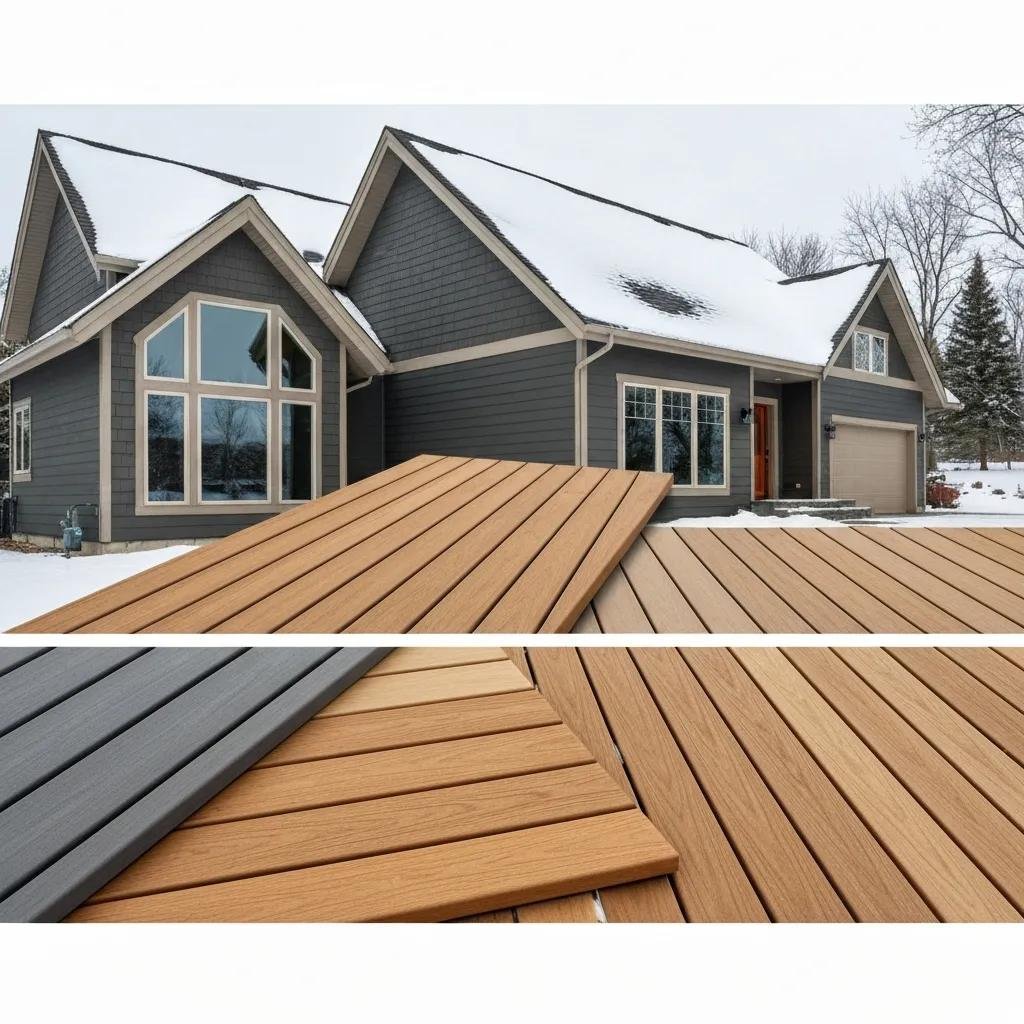
Pick materials and designs that balance durability, maintenance, energy efficiency and curb appeal while fitting Calgary’s seasonal extremes and local architectural context. Prioritise products proven to handle freeze‑thaw cycles and strong UV exposure, and consider how colour and texture affect solar heat gain and perceived scale. Practical design choices — elevated decks with proper drainage, ventilated siding details and thermally efficient windows — cut maintenance and keep performance steady over time. With the right comparisons, you can prioritise options that meet your long‑term goals.
Note: the table below compares materials suited to Calgary’s climate and highlights key trade‑offs to weigh when choosing finishes and structural components.
Use this table to match durability and lifecycle expectations with your budget and willingness to maintain finishes.
What durable materials are recommended for decks, siding, and fences in Calgary?
Choose materials that limit moisture penetration and thermal movement: fibre cement for siding, composite or properly treated and sealed wood for decks, and robust posts and panels for fences that resist ground moisture. Consider maintenance cadence — some homeowners accept periodic staining for wood’s natural look, while others prefer composites for near‑zero upkeep. Ask for manufacturer specs and local references to confirm performance in Calgary conditions. These material choices will influence cost and warranty conversations later.
How can material choices enhance curb appeal and energy efficiency?
Upgrading to quality siding and insulated windows improves thermal performance, reduces draft‑related heat loss and boosts resale value; well‑proportioned trim and a cohesive palette enhance curb appeal. Adding continuous exterior insulation or energy‑efficient windows can lower heating demand during Calgary’s cold months, increasing comfort and cutting operating costs. Choose durable finishes that suit neighbourhood character to maximise visual impact and long‑term marketability. These design decisions should appear in the contract so expectations are clear.
What are popular exterior styles and trends among Calgary homeowners?
Many Calgary homeowners favour clean, modern lines mixed with natural textures — a contemporary prairie look that balances stone, fibre cement and warm wood tones. Trends lean toward low‑maintenance palettes, integrated outdoor living features and energy‑minded upgrades that pay off over time. Pick design elements that respect your home’s architecture and ensure materials are compatible to avoid premature wear. Knowing local style trends helps you brief contractors clearly and judge portfolio relevance.
What permits, regulations, and timelines should you know for exterior renovations in Calgary?
Exterior work often intersects with City of Calgary permit rules; knowing common permit triggers and typical approval timelines helps you avoid delays and surprise compliance costs. Common triggers include structural changes, significant deck alterations and some window or door replacements that affect egress or structural openings. Plan schedules around permit processing and Calgary’s seasonal work windows so start and completion dates are achievable. A permit‑aware approach prevents costly rework and ensures the work meets code.
When are City of Calgary building permits required for exterior projects?
Permits are generally needed for structural changes, new or significantly altered decks above certain heights, and any work that affects the building envelope or egress routes; check specific thresholds with City authorities before work begins. Contractors familiar with Calgary permitting can identify triggers early and include permit fees and timelines in their quotes to avoid surprises. Require the contractor to state who will apply for permits and to provide permit numbers and inspection schedules in the contract. Clear permit responsibilities speed approvals and reduce liability.
How do seasonal considerations affect project timelines in Calgary?
Calgary’s ideal exterior season runs spring through early fall; masonry, siding and deck framing are easiest when frost has left the ground and conditions are stable. Winter installations are possible with special materials and techniques but often cost more and have limited scheduling flexibility. Discuss realistic start dates, weather contingency plans and permit turnaround time with contractors so the schedule reflects seasonal constraints. Good planning minimises downtime and protects quality despite weather variables.
How do contracts, warranties, and aftercare protect your exterior renovation investment?
Contracts, warranties and aftercare assign responsibilities, set performance expectations and protect homeowners from defects or misunderstandings. Insist on written agreements that spell out scope, timelines, payment milestones and warranty coverage. A solid contract reduces disputes by listing materials (brands and colours), site protection, cleanup, permit handling and the change‑order process. Warranty language should separate manufacturer material guarantees from contractor workmanship coverage and include claim procedures and response timeframes. Aftercare — follow‑up inspections and maintenance guidance — extends asset life and keeps you satisfied.
What key elements should a comprehensive renovation contract include?
A comprehensive contract includes a detailed scope of work, start and completion dates, a payment schedule tied to milestones, and itemised materials and labour. It should state permit responsibilities, describe the change‑order process and approvals, and specify cleanup, site protection and insurance confirmations. Require the contractor to arrange inspections and provide proof of compliance. Avoid vague phrases like “work as agreed” and make sure verbal promises are written into the contract. These elements prevent misunderstandings and form the basis for warranty claims if issues arise.
What warranty coverage should you expect for workmanship and materials?
Expect manufacturer warranties for materials (which vary by product) and contractor workmanship warranties that typically range from one to several years depending on scope. Request written warranty durations and details before you sign. Confirm how to submit claims, expected response timelines and whether the contractor will coordinate manufacturer warranty work. Differentiate cosmetic issues from structural defects so you know what is covered and for how long. Clear warranty boundaries shape your maintenance plan and contingency approach.
How does post-completion support and maintenance ensure long-term satisfaction?
Post‑completion support — scheduled inspections, written maintenance guidance and quick responses to warranty claims — preserves performance and homeowner peace of mind. Ask for a seasonal maintenance checklist and a recommended inspection cadence based on chosen materials, and confirm who to contact for follow‑up issues. Contractors that offer documented aftercare and inspection visits show a commitment to long‑term results and good service. Reliable aftercare reduces lifecycle costs and builds homeowner confidence in the renovation.
When you’re ready to move from planning to action, request an on‑site consultation so a pro can confirm scope, provide a transparent estimate and explain permit and warranty terms in person. Serenity Construction Ltd, a family‑owned Calgary exterior remodeling business, offers free consultations, manages permits and emphasizes code‑compliant installations with clear upfront estimates — the kind of service components you should request when comparing contractors. To finalize your choice, prioritise contractors who provide itemised bids, clear contracts and documented warranty and aftercare commitments so your renovation delivers the expected performance and value.
Frequently Asked Questions
What should I consider when budgeting for an exterior renovation project?
Include the full cost: materials, labour, permits and potential hidden fees. Get multiple itemised quotes so you can compare line‑by‑line, and add a contingency of 10–20% for unexpected issues like structural repairs or code upgrades. Knowing typical cost ranges for your project type helps set realistic expectations and avoids bids that look good on paper but leave out important items.
How can I ensure the materials I choose are suitable for Calgary's climate?
Prioritise materials that handle wide temperature swings, moisture and UV exposure. Fibre cement siding and quality composite decking are proven choices here. Ask contractors for manufacturer specs and local references to confirm how products perform in Calgary. Local installer experience with those materials is also a strong indicator of reliable long‑term performance.
What are the common pitfalls to avoid when hiring a contractor?
Don’t skip credential checks, reference calls or a detailed written contract. Avoid contractors who give vague estimates or refuse to document scope and processes. Confirm the contractor’s experience with local permits and building codes, and don’t rush — vet several candidates to find one that matches your project needs and expectations.
How can I assess the quality of a contractor's previous work?
Review portfolios for projects like yours, request before‑and‑after photos and, where possible, visit completed jobs. Ask for references and call past clients to ask about communication, timelines and overall satisfaction. Use a simple scoring approach — relevance, quality of finish and complexity handled — to compare candidates objectively.
What role do warranties play in exterior renovations?
Warranties protect you from defects in materials and workmanship. Look for clear, written warranty terms that separate manufacturer coverage from contractor workmanship guarantees and explain the claims process. Knowing warranty limits helps you plan maintenance and assess the contractor’s confidence in their work.
How can I prepare for potential delays during the renovation process?
Set a realistic timeline with your contractor that accounts for seasonal weather and permit processing. Discuss contingency plans for material delays or unexpected repairs and maintain regular communication so you’re updated on progress and challenges. Build a time buffer into the schedule to absorb unforeseen delays without derailing the project.
What are the benefits of hiring a local contractor for my renovation project?
Local contractors know Calgary’s building codes, permit processes and climate challenges. They often have supplier and subcontractor relationships that help with pricing and scheduling, and they understand regional architectural styles. Supporting a local business also keeps investment in the community.
Conclusion
Choosing the right exterior renovation contractor in Calgary protects your home, budget and peace of mind. By clarifying scope, understanding material and cost trade‑offs, and vetting contractors for credentials, experience and communication, you can make informed decisions that preserve value and performance. When you’re ready, request a free on‑site consultation to review scope, receive a transparent estimate and confirm timelines. Explore our services to find the right partner for your project.
Comments